Utah Leaders Urge Bold Action on Homelessness Crisis Ahead of Legislative Session
Utah advocates and faith leaders urge lawmakers for immediate action on homelessness ahead of the legislative session, highlighting urgent needs and personal stories.
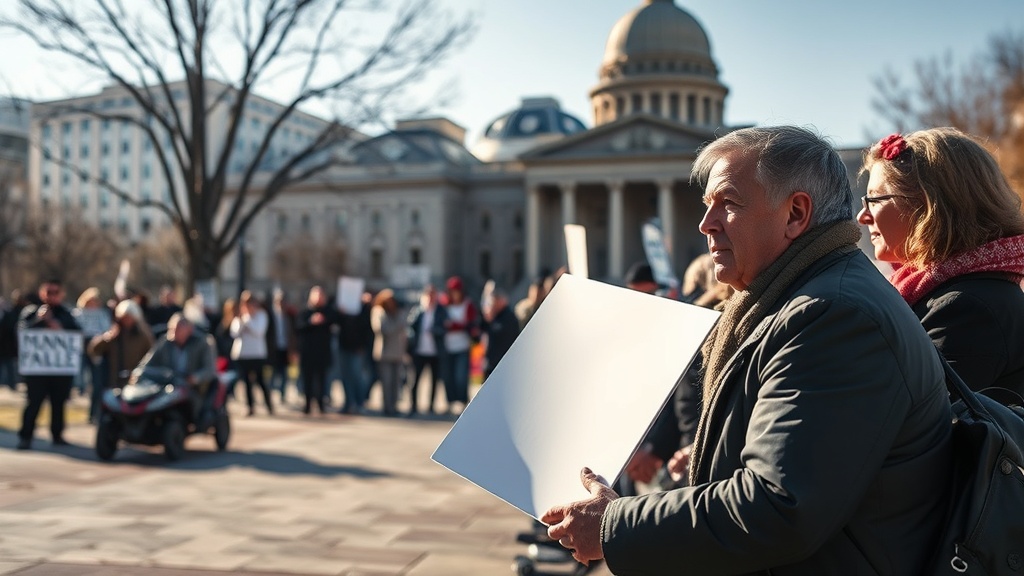
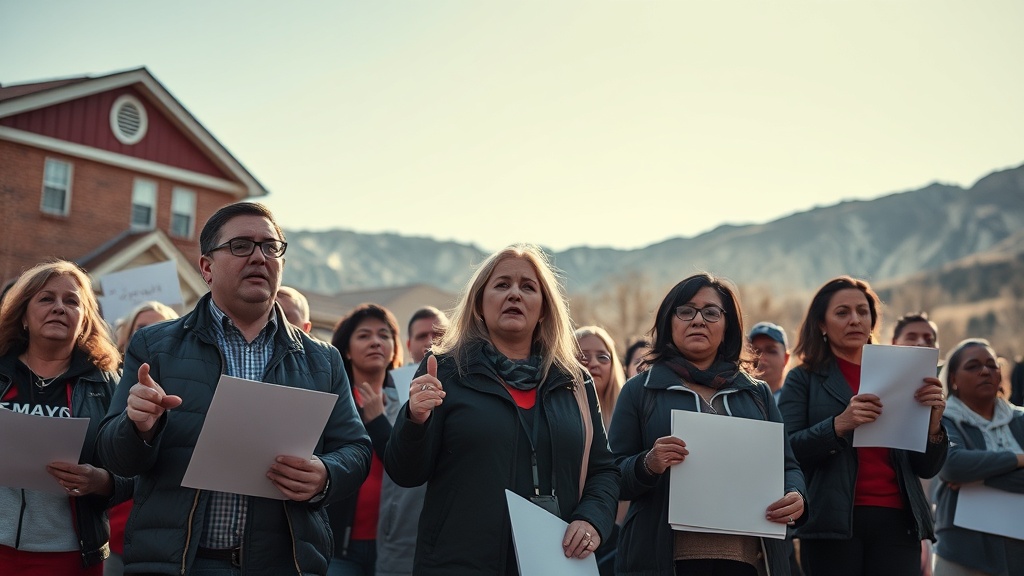
As Utah prepares to launch its annual legislative session, approximately 100 advocates, including pastors and Democratic lawmakers, gathered at the Utah State Capitol on January 15, 2026, to demand urgent action on homelessness. Their call for increased funding and resources comes as the state grapples with a growing crisis affecting individuals with severe mental illness, disabilities, and substance abuse disorders.
The gathering, organized by the Faith and Advocacy Coalition, featured participants chanting and praying, emphasizing the dire need for immediate legislative action. "Our message is simple: If Utah does not immediately begin making serious efforts to produce the housing and appropriate services to end homelessness, then it will soon be too late to avoid the shame of inviting the world’s elite to visit Utah during the 2034 Olympic Games," stated Levy Woodruff, chair of the governing board of First United Methodist Church in Salt Lake City. Woodruff criticized the state’s narrow focus over the past decade, which has primarily been on improving homeless shelters instead of addressing the broader need for affordable housing and supportive services.
Senator Nate Blouin, D-Millcreek, echoed these concerns, emphasizing the necessity for a comprehensive statewide housing analysis. "Utah needs a clear, honest plan for how many homes we need, who they are for, and what it will take to get there, especially to protect seniors and people with developmental disabilities from being pushed into homelessness by a cost of living crisis that they did not create," Blouin said.
In 2025, two significant legislative proposals aimed at increasing affordable housing by allowing smaller homes and lots in cities with populations over 65,000 were proposed but ultimately failed to pass. Despite these setbacks, Senate President Stuart Adams, R-Layton, insists that addressing homelessness remains a top priority for the upcoming session. However, he did not commit to any specific funding amounts.
"I’ve always said that the goal isn’t just to house homeless people or find a spot for them. The goal is to try to get them some help," Adams explained. "We’re committed to trying to tackle homelessness, and we’re going to do it the Utah way. We know that housing without treatment is not good." Pressed for details on funding, Adams stated, "The amount of funding, I’m not going to commit to right now. But I think we’ll continue to try to do what we can. We’re committed to that."
Governor Spencer Cox has proposed using $25 million in one-time funds alongside $20 million in ongoing resources aimed at addressing homelessness and high-utilizer criminal justice issues. Additionally, he highlighted a proposed 1,300-bed homeless campus in northwest Salt Lake City as a priority for his administration. This initiative is intended to position Utah as a "pilot" state for fulfilling a federal executive order aimed at ending crime and disorder on America’s streets. However, some advocates have raised concerns about the campus, particularly regarding its potential use for civil commitments and mandatory drug treatment, viewing these approaches as a regression to outdated practices.
Pastor Brigette Weier from St. Matthew’s Lutheran Church in Taylorsville criticized the proposed campus, asserting that it reflects an archaic approach to managing homelessness and disabilities. "This campus will cost taxpayers tens of millions of dollars, but there’s another cost to our societal soul," Weier remarked, underscoring the ethical implications of such initiatives.
Personal stories from those affected by homelessness further illustrate the pressing need for effective solutions. Melisha Shaner of Magna has experienced the hardships of homelessness firsthand, having spent years moving between shelters with her daughter before finally securing stable housing through a project-based voucher program. Despite this success, Shaner struggles to make ends meet as rising childcare costs strain her family's finances. "Keeping roofs over kids’ heads is the biggest thing," she emphasized when asked what she wants lawmakers to prioritize.
As Utah's lawmakers prepare to convene for the session, the urgency of addressing homelessness continues to grow. With advocates and community leaders calling for a comprehensive approach that includes affordable housing and supportive services, the coming weeks will be critical in determining the state’s commitment to resolving this ongoing crisis. As the gathering at the Capitol demonstrated, there is a collective demand for proactive measures to ensure that all Utah residents have access to safe and stable housing, especially as the state looks toward the future and the impending Olympic Games in 2034.