Understanding Utah's Move Over Law: Are Drivers Complying?
The Move Over Law aims to protect roadside workers, but many Utah drivers are still ignoring it, raising safety concerns.
In Utah, the 'Move Over Law' was enacted to enhance safety for emergency responders, tow truck operators, and roadside assistance personnel. Despite the law's clear intention to protect individuals working on the shoulder of the road, many Utah drivers continue to disregard it, prompting serious concerns from law enforcement officials. Recently, an incident on Interstate 15 in West Bountiful nearly resulted in tragedy for a Utah Highway Patrol (UHP) trooper, underscoring the critical need for compliance with the law.
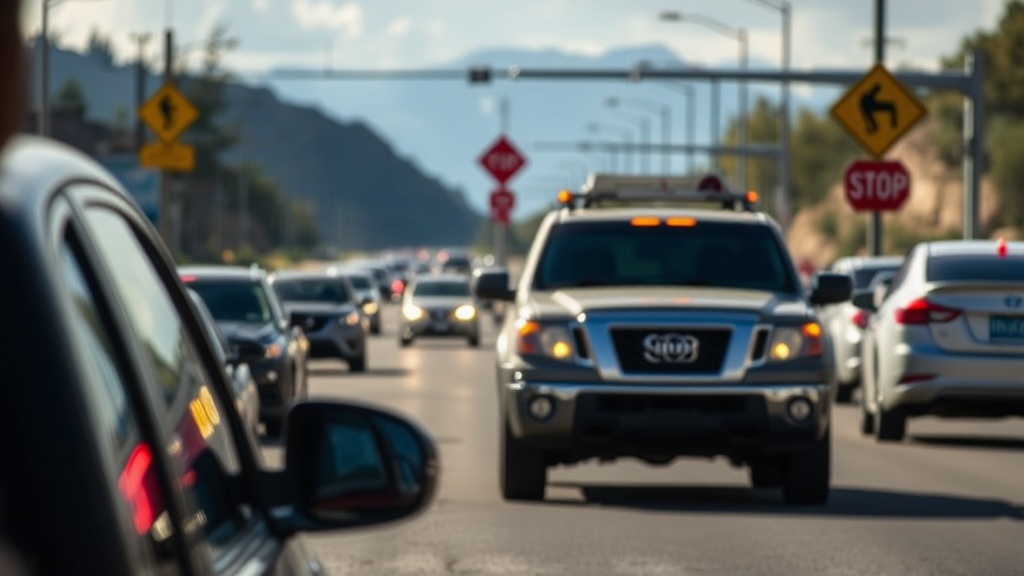
The 'Move Over Law' mandates that drivers must reduce their speed and change lanes when approaching any vehicle displaying flashing lights, including police cars, tow trucks, and highway maintenance vehicles. Tony Ellenberger, a driving instructor with The Driving School in Tooele, emphasizes the importance of this law, noting that it is straightforward and essential for the safety of those working on the roadside. "If you’re looking far enough ahead, you should be able to see those vehicles early, which gives you extra time to move over," he explained.
The dangers faced by law enforcement officers and roadside workers are substantial. UHP Major Chamberlin Neff highlighted that officers are often placed in perilous situations. "Our officers get hit all of the time," Neff stated, illustrating the dire consequences that can arise from a failure to comply with the Move Over Law.
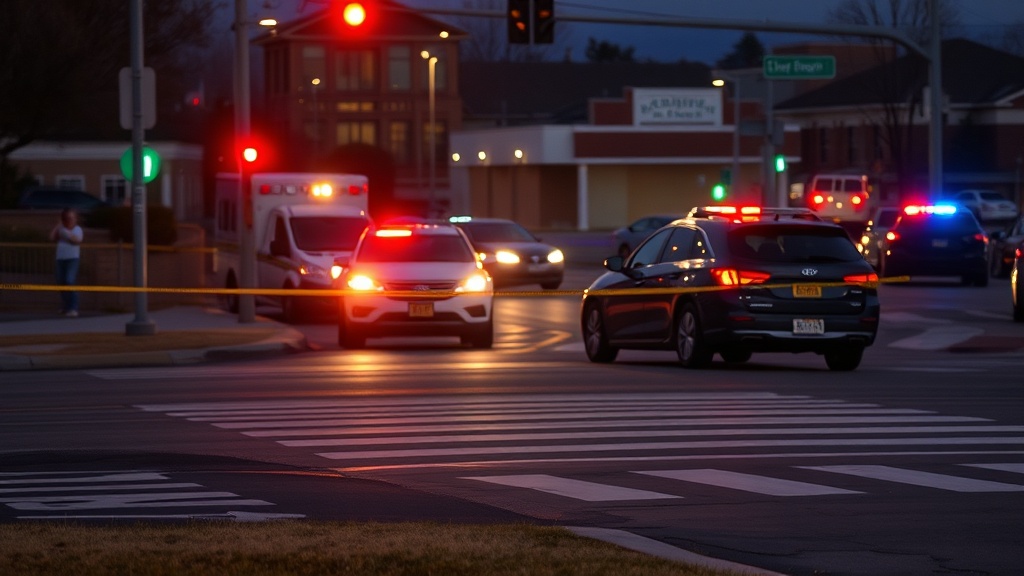
On Thursday morning, UHP troopers responded to a crash on I-15. As they worked to assist the involved parties, several passing drivers neglected to adhere to the Move Over Law, creating an unsafe environment for the officers on scene. One trooper, while attempting to pull over a vehicle that had violated the law, was struck by another car that was slowing down to comply with the law. This vehicle was subsequently pushed into an unmarked vehicle belonging to the Unified Police Department. Fortunately, no injuries were reported in this incident, but the event served as a stark reminder of the potential for disaster.
The situation raises questions about driver awareness and adherence to traffic laws designed to protect those in vulnerable positions. Ellenberger pointed out that while the law is intended as a courtesy to roadside workers, it is also a legal requirement. He encourages drivers to take proactive measures when they see flashing lights: "You would slow down, check to make sure you’re clear, and move over a lane. Once you’ve passed that vehicle, you can return to your original lane."
The urgency of compliance with the Move Over Law is becoming increasingly apparent as more incidents of non-compliance are reported. UHP officials are adamant that the safety of their officers and roadside workers should not be compromised. Neff remarked, "Whether it is a state trooper, tow truck driver, or just a stranded motorist on the shoulder of the road, everybody deserves to go home safe. Let’s give them the space that they need."
In light of the recent accident, UHP is ramping up efforts to educate the public about the Move Over Law and its implications. Educational campaigns and increased enforcement measures are being discussed to encourage safe driving practices. The law is not just about courtesy; it is a crucial safety measure that can save lives.
Experts suggest that education is key to improving compliance. Many drivers may not fully understand the law or the risks associated with failing to adhere to it. Ellenberger, who has been teaching Utah drivers for seven years, believes that more comprehensive educational resources should be made available to new drivers. "We need to instill in them a sense of responsibility and the importance of this law from the very beginning of their driving education," he said.
As the debate continues, it is clear that both law enforcement and driving instructors are committed to ensuring that the Move Over Law is respected and followed. The stakes are high, and the potential consequences of non-compliance are severe. With ongoing efforts to raise awareness and enforce the law, there is hope that Utah drivers will begin to take the necessary precautions to protect those who work tirelessly on the roads.
In conclusion, the Move Over Law in Utah serves as a vital protective measure for those who work along our highways. As incidents of non-compliance persist, both law enforcement and driving educators are calling for increased awareness and adherence to the law. Ensuring that everyone goes home safely depends on the collective responsibility of all drivers to respect this essential law. The question remains: will Utah drivers take heed and prioritize safety on the road?