Reactions in Utah Split After U.S. Capture of Venezuelan President Maduro
The capture of Venezuelan President Maduro has divided Utah residents, sparking discussions on foreign policy and democracy.
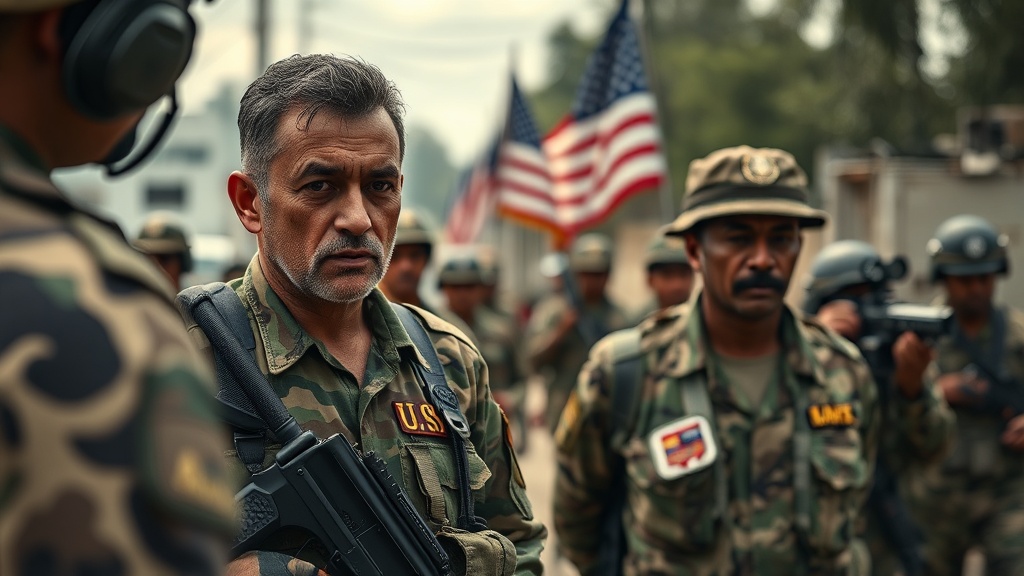
UTAH (ABC4) — The arrest of Venezuelan President Nicolás Maduro in a U.S.-led military operation on Saturday has sparked a wave of reactions across Utah, reflecting the deep divisions in sentiment regarding U.S. foreign policy and the situation in Venezuela. Early that morning, American forces executed a swift strike that resulted in the capture of Maduro and his wife, Cilia Flores, who were reportedly taken from their residence in Caracas and transported to a secure location in the United States.
The operation unfolded quickly, with U.S. officials describing it as necessary to promote stability in a region plagued by economic turmoil and political unrest. President Joe Biden lauded the action, stating that it was a crucial step toward restoring democracy in Venezuela, which has been under Maduro's controversial leadership since 2013. "Maduro's regime has caused untold suffering to the Venezuelan people; this action is about standing up for human rights and supporting those who seek democracy," Biden said during a press briefing.
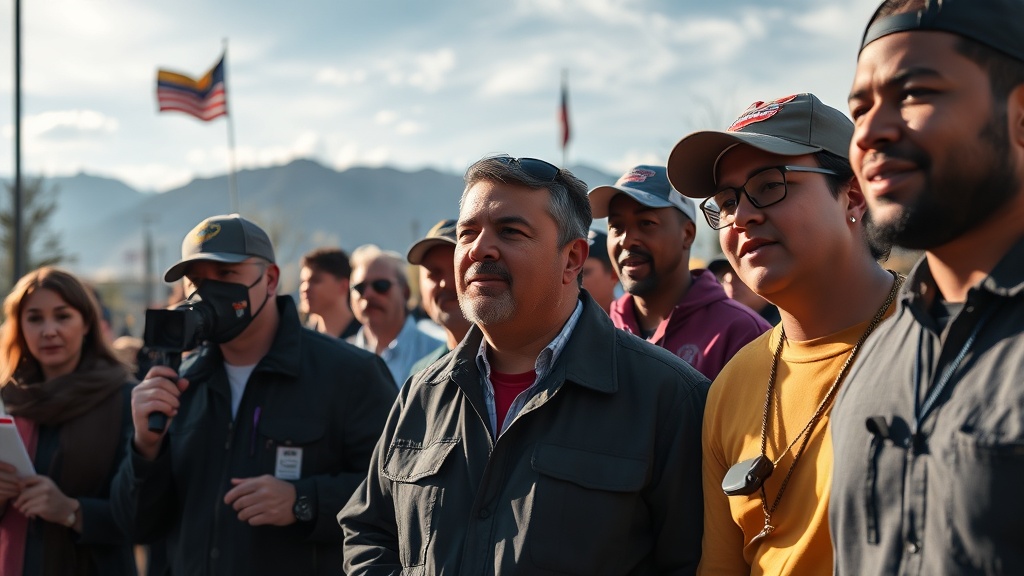
In Utah, the community's reactions encompass a broad spectrum of opinions, illustrating the complexity of international politics and its local implications. Many Venezuelan expatriates living in Utah have expressed relief and hope that this event may pave the way for a new beginning for their homeland. "For years, we have suffered under Maduro's dictatorship. This is a moment of hope for Venezuela. We can finally see a light at the end of the tunnel," said Maria Rodriguez, a member of the Venezuelan community in Salt Lake City.
Conversely, some Utah residents and political leaders have voiced concerns about the implications of such a military action. Critics argue that the capture of a foreign leader by U.S. forces sets a dangerous precedent and could escalate tensions in Latin America. "While I understand the desire to address human rights issues, we must consider the long-term consequences of military interventions. This could backfire and lead to further instability in the region," stated Utah State Senator Karen Mayne, who has long advocated for diplomatic solutions over military action.
The mixed reactions are further complicated by the historical context of U.S.-Venezuela relations. Over the past two decades, Venezuela has experienced a dramatic decline due to economic mismanagement, corruption, and U.S. sanctions. Maduro's regime has been accused of widespread human rights abuses, including torture, extrajudicial killings, and the suppression of dissent. This history has led to a polarized view of intervention, with some seeing it as a necessary measure while others regard it as imperialistic overreach.
In the days following the operation, local advocacy groups have scheduled rallies and discussions to address the implications of Maduro's capture. The Utah chapter of the Venezuelan American Citizens Alliance has organized a gathering to celebrate the news while also emphasizing the need for a peaceful transition of power in Venezuela. "We want to ensure that the voices of the Venezuelan people are heard in this process, and that we move toward a democratic government that respects human rights," said Javier Torres, the organization's president.
The political ramifications of Maduro's arrest are significant not only for Venezuela but also for U.S. foreign policy. Analysts suggest that the Biden administration may face pressure to take further actions regarding other authoritarian regimes in Latin America, and the world is watching closely how the situation develops. "This could serve as a test case for future U.S. interventions. The global community will be analyzing the outcomes and ramifications of this operation for years to come," remarked Dr. Elena Martinez, a political science professor at the University of Utah.
As the situation evolves, Utah residents remain engaged and divided. While some celebrate the potential for change in Venezuela, others caution against the dangers of military intervention. The discussions around Maduro's capture highlight the complexities of international relations and the impact it has on communities far removed from the immediate conflict.
In summary, the capture of Nicolás Maduro has stirred a complex mix of hope and apprehension within Utah, reflecting broader tensions regarding foreign policy and the future of Venezuela. As the community processes this significant event, the implications for both local and global politics will continue to unfold in the coming weeks and months.