Park City Mountain Navigates Terrain Expansion Challenges Amid Unpredictable Weather
Park City Mountain faces challenges in terrain expansion due to unpredictable weather, limiting skiing options during the season.
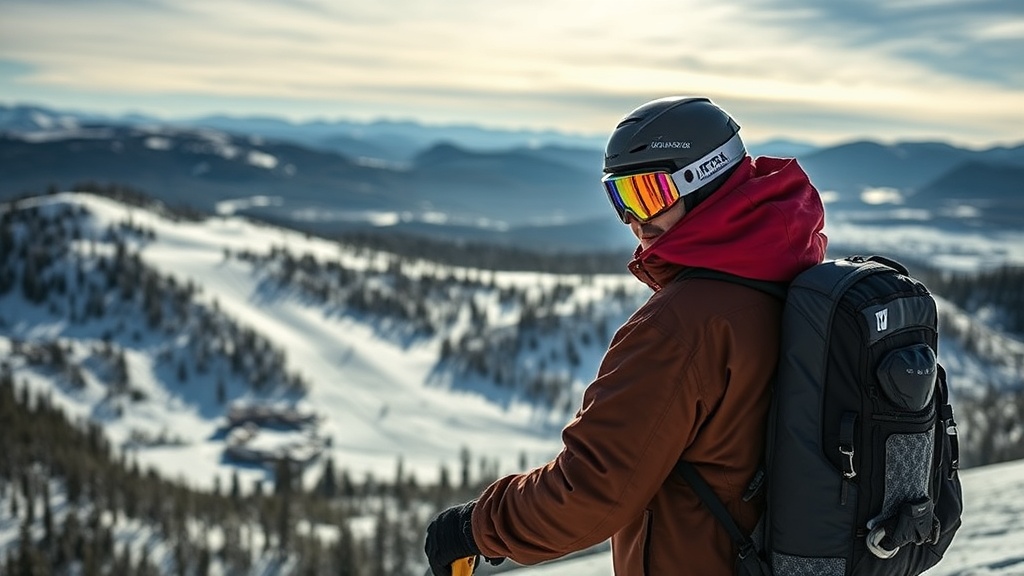
Park City, Utah – As the ski season progresses, Park City Mountain is facing considerable challenges in expanding its terrain due to inconsistent weather conditions that have hampered snowmaking efforts. Resort officials have noted that the unseasonably warm temperatures and erratic overnight cooling have restricted operations, forcing skiers and riders to utilize a limited number of lifts and runs. As of mid-December, only 49 of the mountain's total 349 runs were open, highlighting the ongoing struggle to provide a full skiing experience for visitors during a critical period of the winter season.
The resort has been proactive in its approach to terrain expansion, emphasizing a phased opening strategy that prioritizes the most significant lifts and runs. “Even with a slower terrain progression, our overall approach to ramping up the mountain hasn’t fundamentally changed,” a spokesperson for Park City Mountain stated. “We continue to prioritize the lifts and runs experience has taught us are the most meaningful to open as quickly as possible.” This commitment to a strategic rollout is especially important given the high demand for skiing options during peak periods, which typically see large crowds on the mountain.
In recent weeks, northern Utah has experienced extended periods of mild weather, with daytime highs consistently exceeding seasonal averages. This fluctuation has resulted in inconsistent conditions for snowmaking, which is essential for preparing the slopes. The resort’s operations teams have had to adapt quickly, often making real-time decisions regarding which areas of the mountain can be opened safely and effectively. “Balancing the quality and durability of snow surfaces with the high demand for terrain on busy days has meant making more dynamic, real-time calls than in a typical season,” the resort explained.
With much of the terrain still closed, establishing reliable connections between different areas of the mountain has become increasingly critical. In the Payday and Crescent zones, where only a limited number of trails were accessible, officials decided to expedite the opening of the Bonanza Lift to facilitate skier movement across the mountain and to higher elevation areas where conditions were more favorable. However, this endeavor faced its own set of challenges; warmer temperatures at lower elevations hindered snowmaking efforts along the final access road to the lift. Instead of relying solely on artificial snow, crews utilized snowcats to transport snow from higher elevations down to the lower mountain, successfully opening the Bonanza Lift on December 20.
“Our teams have truly gone above and beyond this season, working collaboratively to problem-solve and stay agile amid constantly changing conditions,” the resort emphasized, highlighting the efforts of its staff who have had to adapt to the fluctuating weather. With the Bonanza Lift operational, skiers can access additional terrain that is serviced by the lift itself, as well as the Pioneer and McConkey’s lifts, which opened earlier in the week. These new openings provide access to higher elevation terrain above 9,500 feet, helping to spread skiers out and alleviate congestion on the lower mountain.
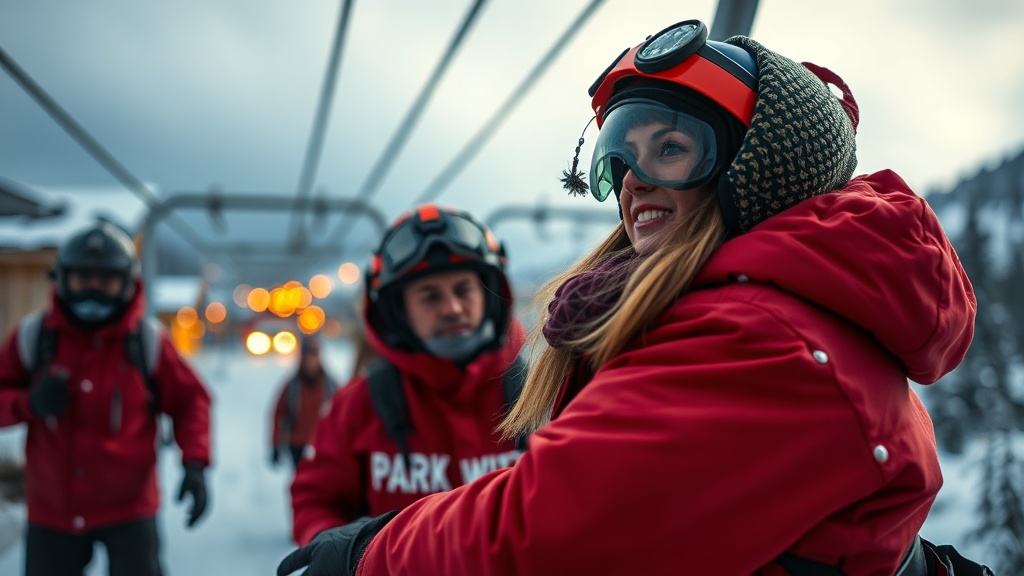
In addition to the operational challenges, the slower-than-usual terrain expansion is also impacting staffing levels across the resort. Many seasonal employees, including ski patrol and lift operations staff, have been in a holding pattern, awaiting assignments as additional terrain becomes available. This uncertainty adds another layer of complexity to an already challenging season, as seasonal workers rely on full operations for their livelihoods.
“Best weather patterns for us are cold ones that bring natural snow with them,” the resort noted, stressing the importance of weather conditions in determining operational capabilities. The most effective temperatures for snowmaking fall in the mid-teens, while the upper limit for snow production sits at a wet bulb temperature of 28 degrees. Current forecasts suggest that mild weather will persist, with daytime temperatures expected to remain above seasonal norms and limited overnight cooling. A midweek weather system may bring some moisture, potentially resulting in rain at lower elevations and snow in the mountains, according to the National Weather Service. However, the long-term outlook remains uncertain, complicating the resort's ability to establish consistent snowmaking operations.
As Park City Mountain navigates these challenges, the focus remains on ensuring a safe and enjoyable skiing experience for visitors. By prioritizing strategic terrain openings and adapting to changing weather patterns, the resort aims to provide skiers and snowboarders with the best possible experience as the season unfolds. As the weather changes, Park City Mountain will continue to evaluate its operations, hoping for a return to more favorable conditions that will allow for broader terrain accessibility and improved skiing experiences throughout the winter.