Family Sues Salt Lake City After Son's Fatal Incident at Airport
The family of Kyler Efinger has filed a lawsuit against Salt Lake City after his tragic death at the airport during a mental health crisis.
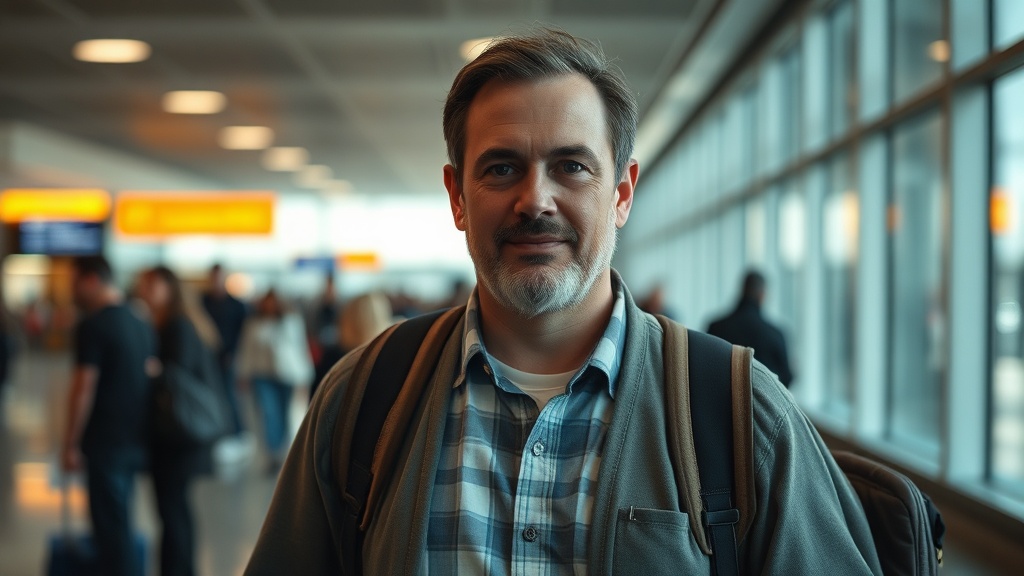
In a tragic development that has resonated throughout the community, the family of Kyler Efinger has filed a lawsuit against Salt Lake City following the death of their son, who lost his life two years ago after entering the engine of an airplane at Salt Lake City International Airport. The incident, which occurred during a mental health crisis, has raised serious questions about airport safety and emergency response protocols, as well as the support systems available for individuals experiencing mental health issues.
Kyler Efinger, a 26-year-old resident of Utah, was reported missing by his family shortly before the incident on April 15, 2021. According to court documents, he had been struggling with mental health challenges and was last seen at his home before the distressing episode unfolded at the airport. Eyewitnesses and security footage indicated that Efinger had entered a restricted area of the airport, where he approached the running engine of an aircraft. Tragically, he suffered fatal injuries as a result of the incident.
The lawsuit, filed in late September 2023, accuses the city and airport officials of negligence, claiming that they failed to provide adequate safety measures and mental health resources at the airport. The family’s attorney, who has not been named in the public domain, stated in a press release, "No family should have to endure the loss of a loved one in such a horrific manner. We believe that the airport had a responsibility to ensure the safety of all individuals, especially those who might be vulnerable during a mental health crisis."
The specifics of the lawsuit highlight several alleged failures on the part of the city and airport authorities. The family claims that the airport lacked proper signage and barriers to prevent unauthorized access to hazardous areas, including the vicinity of aircraft engines. Additionally, they argue that there was a lack of trained personnel to handle situations involving individuals in crisis, which they assert is critical in an environment as busy and complex as an airport.
Airport officials have not publicly commented on the lawsuit but have stated in previous interviews that they continuously review and upgrade safety protocols to ensure passenger safety. However, critics argue that incidents like Efinger’s underscore a pressing need for more comprehensive mental health resources at public facilities, particularly those that serve as gateways for travel.
Mental health advocates have pointed to the case as a stark reminder of the challenges faced by individuals experiencing mental health crises, especially in high-stress environments such as airports. Dr. Emily Roberts, a local psychiatrist specializing in crisis intervention, commented, "Airports are high-pressure environments, and people with mental health issues can find themselves overwhelmed. It is crucial for these public spaces to have systems in place that can help identify and assist individuals in crisis."
The Efinger family is seeking unspecified damages in the lawsuit, hoping that the case will not only provide them with a sense of closure but will also spur changes in airport policies and procedures to better protect those in similar situations in the future. The family has initiated a campaign to raise awareness about mental health issues and the need for improved safety measures at airports, emphasizing that no one should feel unsafe due to a lack of resources or support.
As the case unfolds, it has the potential to ignite discussions about public safety regulations and mental health support in airports across the nation. Legal experts suggest that the outcome of this lawsuit could set a precedent for how public facilities address mental health crises and the responsibilities they have towards vulnerable individuals.
In the wake of this tragedy, local community members have rallied around the Efinger family, expressing their condolences and support. A memorial service was held shortly after Efinger’s passing, drawing friends, family, and community members who shared fond memories and emphasized the importance of mental health awareness.
As the lawsuit moves forward, many are watching closely to see how it might impact policies at Salt Lake City International Airport and whether it could lead to broader changes in how airports nationwide address mental health and safety. The Efinger family's pursuit of justice highlights not only their personal loss but also a critical social issue that affects countless families across the country. The outcome of this case might encourage other families to advocate for better mental health resources and safety measures in public spaces, ensuring that such tragedies do not occur again in the future.