North Capitol Building Unveils Century-Old Vision for Capitol Hill
The North Capitol Building is completed, realizing a century-old vision and housing Utah's first history museum.
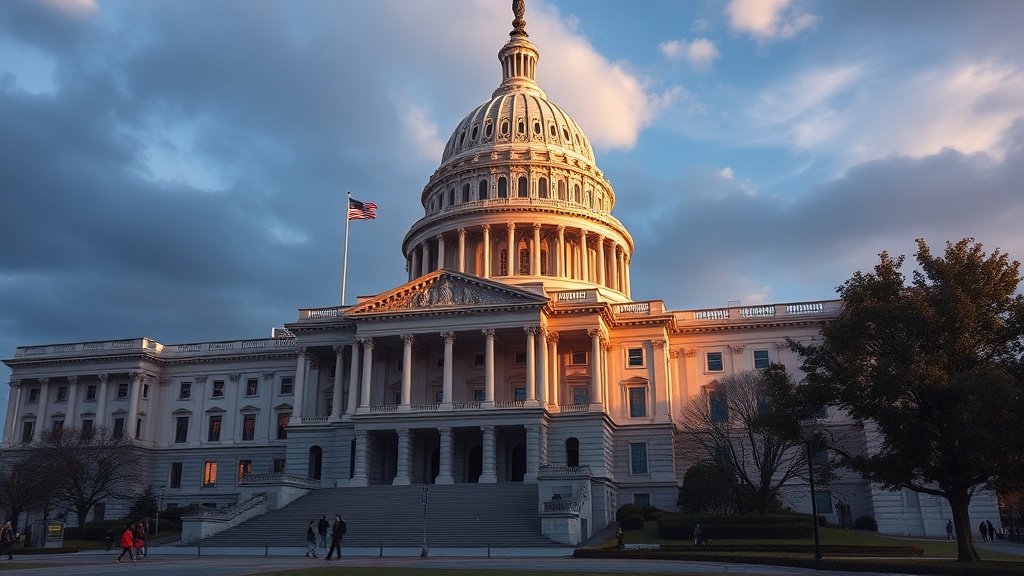
The long-awaited North Capitol Building, a significant addition to Utah's Capitol Hill, has been completed after three years of construction, aligning perfectly with the commencement of the 2026 Legislative Session. This new structure not only complements the existing neoclassical architecture of the Utah State Capitol but also serves as the location for the state’s first dedicated history museum, encapsulating the rich narrative of Utah’s past. The project has been a realization of a master plan conceived over a century ago, marking an important milestone for the Capitol campus.
Located at the northern entrance of the Capitol grounds, the North Capitol Building features an inviting pathway that flows through the building and extends onto the lawn. This design creates a direct connection to the Capitol, guiding visitors through a stunning stained glass skylight that has become a centerpiece of the new structure. “It was imperative in the master plan that the new North Capitol Building fit within the neoclassical design of the campus,” stated Nathan Levitt, the principal architect from VCBO Architecture, underscoring the importance of architectural harmony in the project.
Preservation efforts were a key focus during the construction phase, particularly concerning the historic sequoia trees located on the north lawn. Dana Jones, Executive Director of the Capitol Preservation Board, highlighted that the construction team took extraordinary measures to protect these trees, including shifting a wall in the parking garage by 18 inches to safeguard the trees' root systems. “I think that’s a really special fact because it speaks to the level of care that our team has as a whole,” Jones remarked, emphasizing the commitment to preserving both nature and history in Utah.
At the heart of the North Capitol Building lies a remarkable $1.6 million stained glass laylight, which features more than 14,700 individual pieces of glass, each incorporating sand from all 29 Utah counties. This artwork not only highlights the state’s natural wonders but also symbolizes its cultural heritage, showcasing recognizable scenes such as the Great Salt Lake and the iconic red rock formations of southern Utah.
Initially estimated at $165 million, the total cost of the project ballooned to approximately $320 million, largely due to inflation and evolving project specifications. Andy Marr, the director of Utah’s Division of Facilities Construction and Management, noted that the budget increased over several years as the scope of the project expanded. “We were talking about this building as just a replacement for parking. That conversation quickly evolved into this opportunity to finish the master plan of Capitol Hill,” Marr explained, illustrating the shift in vision for the project.
Despite budgetary challenges, the construction process itself has been extensive and impressive. Managed by Oakland Construction, the project involved pouring over 450,000 cubic yards of concrete, a volume sufficient to fill 4,500 trucks. The workforce peaked at 350 workers per day, contributing to a total of 581,000 hours of labor. Michael Despain, the project director for Oakland, described the building's design as “intentionally a step down” in scale compared to the Capitol, aiming for a relaxed atmosphere while still honoring the grandeur of the surrounding structures.
In addition to its architectural significance, the North Capitol Building will house Utah's first dedicated state history museum, which is set to open in June 2026. Tim Glenn, the museum director, expressed excitement about the facility's potential. “This is the space where, really, Utah's fine art collection and history's preservation will happen for the next 100 years,” he said. The museum plans to showcase around 950 artifacts at its opening, with a rotating selection to ensure a dynamic experience for visitors. Furthermore, a specialized storage area will accommodate the state's extensive historical collections, which include around 30,000 artifacts, 28,000 books, and 8,500 manuscripts.
The North Capitol Building aims to enhance public access to Utah's historical treasures. Glenn highlighted the engagement room within the museum, which will allow visitors to research specific artifacts or manuscripts. This interactive approach to history is poised to foster greater community involvement and appreciation for Utah's rich heritage.
A ribbon-cutting ceremony is scheduled for Friday at 12:30 p.m., with the North Capitol Building officially opening its doors to the public on the first day of the legislative session. This momentous occasion not only marks the completion of a long-cherished vision but also sets the stage for future generations to engage with Utah's history in a dedicated and meaningful space.