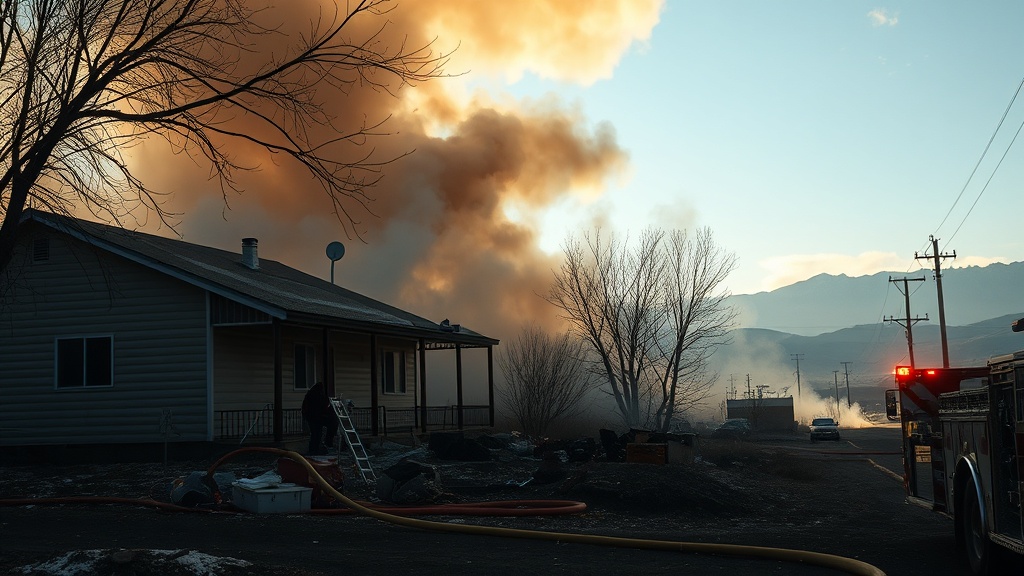
Box Elder Agencies Transition to New Dispatch Center Amid Concerns
Northern Utah agencies are shifting dispatch services, raising concerns about public safety and emergency response times.
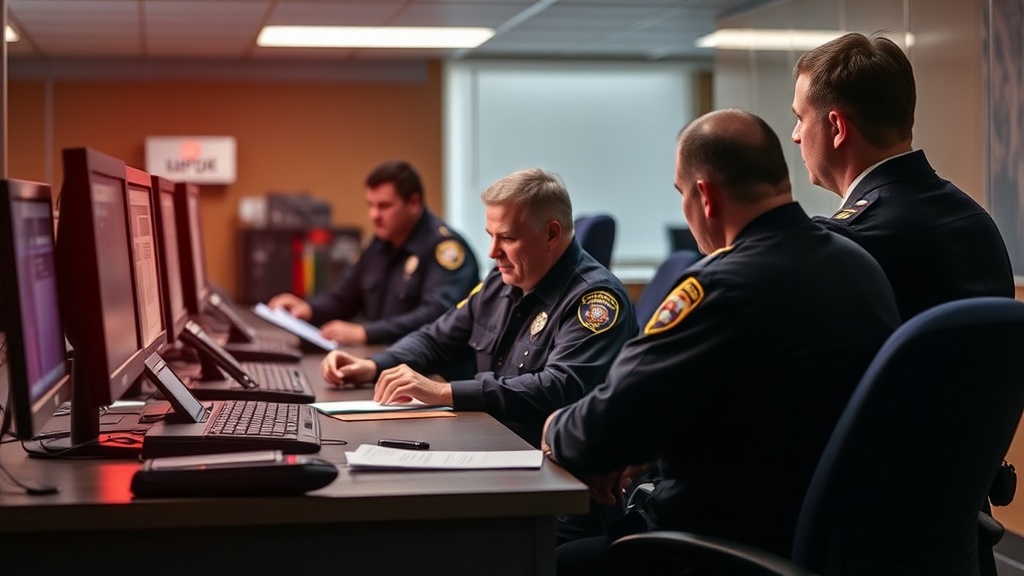
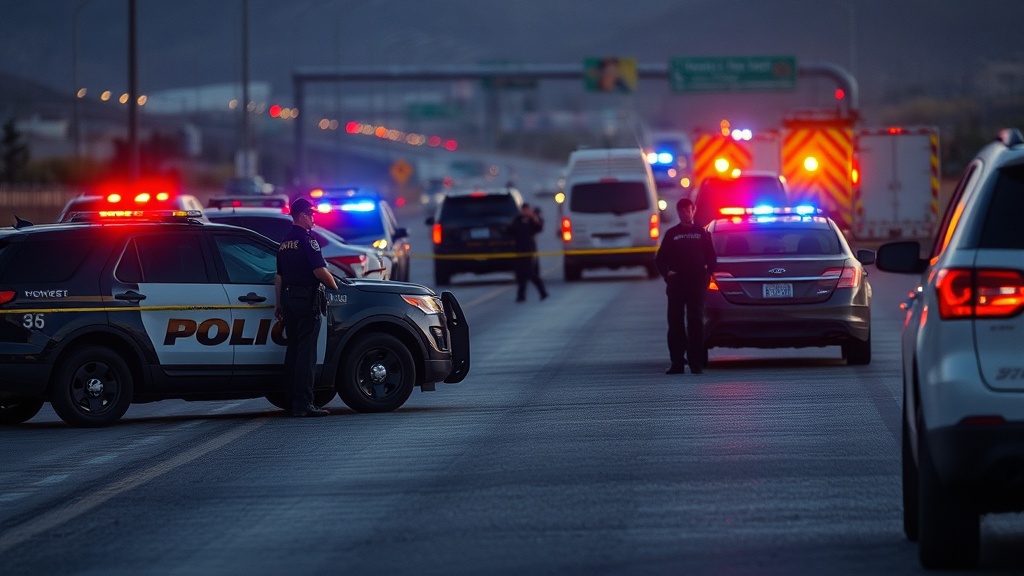
In a significant shift for public safety in northern Utah, multiple police and fire agencies, including those from Brigham City, Perry, Tremonton, and Garland, are preparing to transition from Box Elder Communications Center to Weber Area Dispatch 911. This change, set to take effect on February 2, has sparked a heated debate among local officials and residents regarding the potential impacts on emergency response times and overall public safety.
Dispatch centers play a crucial role as the first point of contact during emergencies, handling 911 calls and coordinating responses from law enforcement and emergency services. The move to Weber has raised concerns among some community members, particularly in Tremonton, where resident Miranda Smith expressed skepticism about the effectiveness of the new system. "I don't feel like it's going to work very well. I don't think they're going to be fast enough; I think Box Elder needs to have their own and not have to go through Weber," she stated.
Box Elder County Sheriff Kevin Potter has been vocal about his apprehensions regarding the switch. In a recent statement, he emphasized the importance of unity in communications within the community. "When we are divided by different communication centers and separate radio channels, we are not a unified force," Potter remarked. He underscored the risks this division could pose to both residents and officers, asserting that it could lead to detrimental gaps in communication during critical incidents.
The sheriff also addressed rumors surrounding the dispatch center's role in the tragic deaths of two Tremonton-Garland police officers in August, firmly refuting claims that dispatchers were at fault. However, he highlighted past instances where lapses in communication had severe consequences, emphasizing the need for a cohesive approach to emergency response.
In contrast, Brigham City Police Chief Chad Reyes defended the decision to transition to Weber Area Dispatch, asserting that the switch has been in the works for several years and will not hinder emergency response capabilities. "There's not going to be a delay in response time; there's not going to be an inability to communicate with deputies with Box Elder County or officers from agencies that aren't making the switch," Reyes stated confidently.
Reyes expressed optimism that residents would experience improved response times and enhanced communication between dispatchers and officers. He envisions a system where dispatchers can access relevant information, such as phone numbers and address history, and relay that to officers before they arrive on the scene. According to Reyes, this capability could significantly enhance situational awareness for responding units.
He further elaborated on the advantages of the Weber dispatch center, citing its superior staffing levels compared to Box Elder Communications Center. While Box Elder typically operates with a minimum of two dispatchers at any given time, Weber is staffed with 13, which Reyes believes will ensure a more efficient response to emergencies.
Kevin Rose, Director of Weber Area 911, echoed Reyes' sentiments, assuring the public that the transition would be seamless and that emergency coverage would remain intact. "We've added staff and prepared for the increased call volume, so we're ready for the transition," Rose stated. He also acknowledged the collaboration with the Utah Department of Public Safety, emphasizing their commitment to providing reliable emergency services.
Despite the anticipated benefits of the switch, there are financial implications to consider. Reyes noted that the Brigham City Police Department would incur an additional cost of approximately $90,000 by utilizing Weber Area 911 instead of Box Elder Communications Center. This increase raises questions about budgetary impacts and resource allocation moving forward.
As the transition date approaches, the divide between those supporting the switch and those advocating for the retention of the Box Elder Communications Center continues to widen. While officials from Brigham City and Weber are optimistic about the potential improvements in emergency response, critics remain unconvinced, fearing that the fragmentation of dispatch services could compromise public safety.
In conclusion, the decision to move to Weber Area Dispatch is a pivotal moment for Box Elder agencies. As they navigate this transition, the focus remains on ensuring the safety and well-being of residents while addressing concerns surrounding response times and communication effectiveness. The coming weeks will be critical in determining whether this change will indeed enhance public safety or if the fears expressed by community members and officials will resonate in the aftermath of the switch.