Minneapolis Shooting Sparks Controversy Over ICE Actions and Public Opinion
The shooting of Renee Good in Minneapolis raises critical questions about ICE's role, public opinion, and community safety.
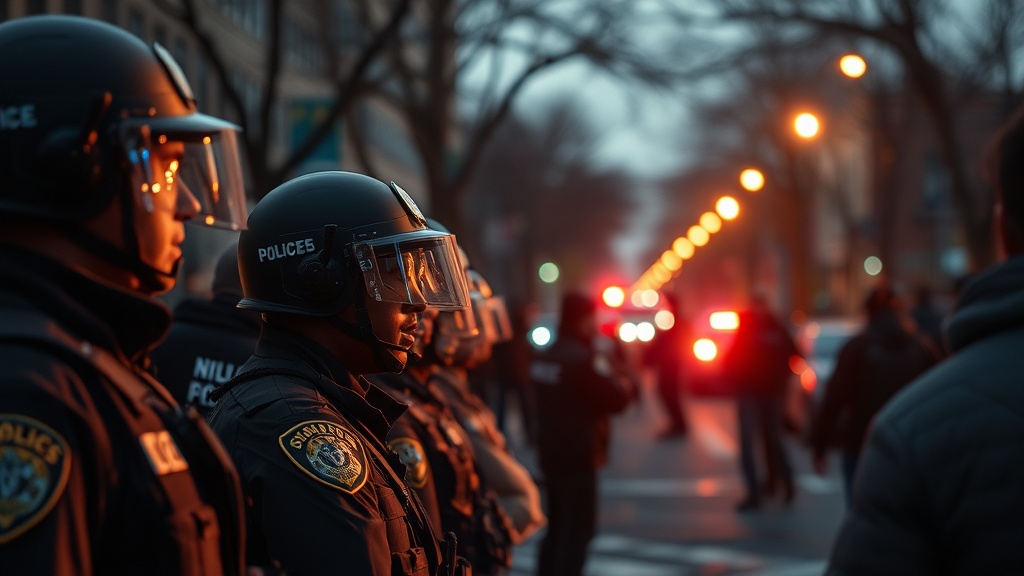
In the aftermath of the tragic shooting of Renee Good in Minneapolis, a wave of public scrutiny has been directed toward the actions of U.S. Immigration and Customs Enforcement (ICE). This incident has reignited debates surrounding law enforcement tactics and the role of federal agencies in local communities. Renee Good, a beloved member of her community, was shot during an altercation that has since raised questions about the appropriateness of ICE's involvement in subsequent actions taken in the area.
Renee Good, known for her contributions to local charities and community organizations, was killed in a shooting that took place on the streets of Minneapolis. The circumstances surrounding her death remain under investigation, but the incident has sparked a larger conversation about the implications of federal immigration enforcement in urban areas where diverse populations reside. Community members have expressed outrage over the violence and the perceived lack of accountability for those involved.
Public opinion regarding the shooting has shown a stark divide. Recent surveys indicate that 56% of respondents deem the shooting inappropriate, whereas 26% believe it was justified. This divide reflects broader societal tensions surrounding issues of race, policing, and government authority. As community leaders call for justice for Good, many are also questioning the role of ICE in local law enforcement matters, especially in the wake of recent high-profile arrests and deportations linked to the agency.
Speaker of the House Mike Johnson weighed in on the matter, defending ICE's operations by stating, "ICE is doing what it was designed to do. They are enforcing immigration laws and ensuring public safety." Johnson's remarks come amidst a national conversation about the enforcement priorities of ICE and whether such tactics help or hinder community relations. Critics argue that aggressive enforcement can lead to fear within immigrant communities, deterring victims and witnesses from coming forward in the wake of crimes.
The juxtaposition of ICE's presence in Minneapolis raises critical questions about local versus federal jurisdiction. Minneapolis, like many urban centers, has a significant immigrant population that contributes to the city's cultural and economic landscape. However, the tension between federal immigration enforcement and local police practices often complicates relationships within these communities. Activists argue that the collaboration between local law enforcement and ICE can have chilling effects on public safety, as immigrants may fear reporting crimes due to potential deportation.
Local organizations have rallied in response to the shooting, organizing vigils and community meetings to discuss the implications of ICE's actions and the need for comprehensive reforms in both immigration and policing policies. These gatherings have become platforms for discussing not only the tragedy of Renee Good's death but also the broader systemic issues that contribute to violence and instability in the community.
In the wake of the shooting, several community leaders have voiced their concerns about the treatment of immigrants and the role of ICE in exacerbating tensions. They argue that the agency's actions send a message of retribution against those who oppose or criticize federal policies. This sentiment has been echoed by various civil rights organizations that advocate for immigrant rights, emphasizing the need for a more humane approach to immigration enforcement.
The implications of the ongoing debate are profound, stretching beyond Minneapolis to cities across the United States. As communities grapple with the intersection of immigration enforcement and public safety, discussions are increasingly focused on finding solutions that protect both the rights of individuals and the safety of the community as a whole. Advocates for reform are calling for a reevaluation of ICE's role in local law enforcement and a commitment to building trust between immigrant communities and law enforcement agencies.
As the investigation into Renee Good's shooting continues, the community remains in mourning, grappling with the loss of a cherished figure. The questions surrounding her death and the subsequent actions of ICE underscore the urgent need for dialogue and reform in order to prevent further tragedies and to foster a sense of security among all residents.
The situation in Minneapolis serves as a microcosm of a larger national issue, highlighting the complexities and challenges that arise when immigration enforcement intersects with community safety. With voices from both sides of the debate calling for action, it is clear that the ramifications of this incident will resonate far beyond the streets of Minneapolis, potentially influencing policies and perceptions across the country as the nation continues its ongoing discussions about immigration and public safety.