Utah Court System Overwhelmed: Judge Balances 1,200 Cases Amidst High-Profile Murder Trial
The Tyler Robinson murder case highlights the strain on Utah's courts, with one judge juggling 1,200 cases amid rising demands for justice.
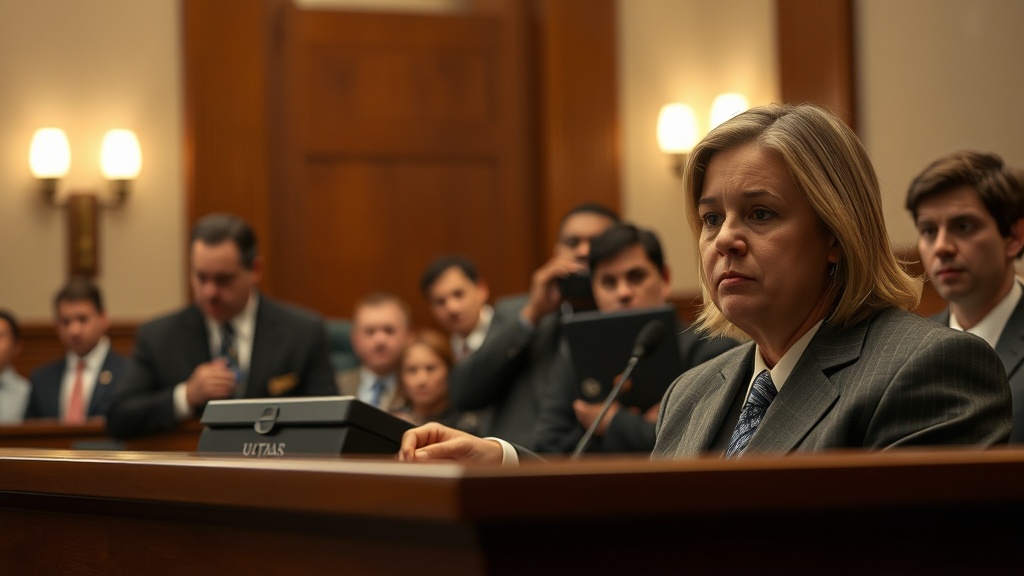
In a striking illustration of the pressures facing the judicial system in Utah, the judge overseeing the highly publicized murder case of Tyler Robinson is simultaneously managing nearly 1,200 other cases this year. This situation underscores a broader crisis within the state’s court system, as increased caseloads and limited resources strain the capacity of judges and staff to deliver timely justice.
The Tyler Robinson case has garnered significant media attention since it came to light, primarily due to the nature of the crime and its implications for community safety. Robinson, who is accused of murdering a local resident, is facing serious charges that could lead to a lengthy prison sentence if convicted. The trial has attracted considerable public interest, with many residents keenly following the proceedings. However, the demands of managing such a high-profile case have placed additional burdens on the already stretched judicial resources.
Judge Lisa Adams, who is presiding over the Robinson trial, has become a focal point in discussions about judicial efficiency and resource allocation in Utah. According to court records, she is not only dealing with the complexities of the murder trial but is also responsible for an extensive docket that includes criminal, civil, and family law cases. The sheer volume of cases has raised concerns regarding the quality of justice that can be administered under such conditions.
"It's a daunting task to ensure that every case receives the attention it deserves, especially when balancing a high-profile trial like the Robinson case," Judge Adams stated during a recent press conference. "The court system is facing unprecedented challenges, and it is crucial that we find ways to address these issues to uphold the rule of law and ensure that justice is served."
The situation has sparked debates among legal experts and community leaders about the need for reform within the state’s judicial system. Many advocate for increased funding to hire more judges and support staff, while others suggest implementing alternative dispute resolution methods to alleviate the burden on the courts. This is particularly relevant in a state where the population is steadily growing, leading to an increase in the number of legal disputes.
According to the Utah Administrative Office of the Courts, the number of cases filed in state courts has surged over the past decade, creating a backlog that has made it difficult for judges to keep up. In 2022 alone, Utah courts handled more than 400,000 cases, a significant increase from previous years. The growing number of cases has also led to longer wait times for trials and hearings, with some defendants waiting months or even years for their cases to be resolved.
Local attorneys have expressed concern over the implications of this overloaded system for their clients. "When judges are forced to manage such large caseloads, it can compromise the fairness and efficiency of the legal process," said attorney Mark Johnson. "Clients may not receive the representation they deserve, and critical issues can be overlooked in the rush to clear the docket."
In light of these challenges, community organizations are stepping in to advocate for judicial reform. Groups such as the Utah Bar Association are working to raise awareness about the issues facing the courts and are exploring potential solutions to improve access to justice. Initiatives include educational programs for the public, outreach efforts to involve community members in discussions about the judicial system, and proposals for legislative changes aimed at increasing funding for the courts.
As the Tyler Robinson case continues to unfold, it serves as a microcosm of the broader issues confronting the Utah judicial system. The trial's prominence has highlighted the challenges faced by judges like Adams, who must navigate complex legal landscapes while also managing overwhelming caseloads. Legal experts warn that without significant changes, the system may struggle to meet the demands of an evolving society.
In conclusion, the situation surrounding the Tyler Robinson case and the associated judicial challenges illustrate a critical juncture for Utah's court system. As the community watches closely, the need for reform becomes increasingly apparent. Stakeholders across the state must come together to address the systemic issues that threaten the integrity and efficacy of the judicial process. Only through collaborative efforts can Utah hope to ensure timely and fair justice for all its residents, a foundational principle of the legal system that is at risk amidst the current crisis.