Utah County Prosecutor Testifies in High-Stakes Trial of Alleged Shooter
Utah County Prosecutor David Leavitt testifies in the trial of alleged shooter Zachary P. Stone, raising issues of public safety and political tensions.
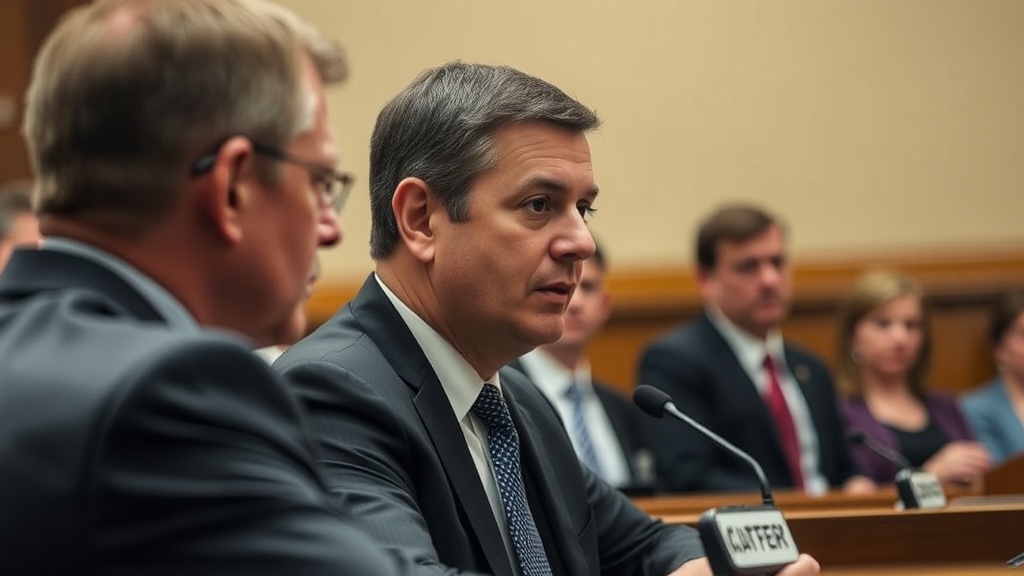
In a dramatic courtroom scene on September 10, the top prosecutor for Utah County, David Leavitt, took the stand in the ongoing case involving the alleged shooter of conservative activist Charlie Kirk. The defendant, identified as 22-year-old Zachary P. Stone, is accused of firing a weapon during a politically charged event, sparking intense debate over the implications of free speech and public safety. The case has not only drawn attention due to its political context but also due to the personal connection it has to Leavitt, whose child was reportedly present at the event and raised alarms about the unfolding situation.
The incident occurred at a rally hosted by Kirk in Provo, Utah. Attendees reported that Stone allegedly discharged a firearm amidst the crowd, leading to chaos and fear among participants. Fortunately, no one was injured, but the incident has raised significant concerns about the safety of public gatherings, especially those related to political discourse. Leavitt’s involvement in the case is particularly notable because of his role as both a prosecutor and a father whose child was directly impacted by the event. The prosecution argues that Stone's actions were reckless and posed a grave danger to the public.
During his testimony, Leavitt outlined the events leading up to the shooting. "My family was at the rally, and I received a frantic text message from my child, indicating that shots had been fired. It was a moment of sheer panic," he recounted. This personal connection emphasizes the emotional stakes involved in the case, highlighting the broader implications of violence at political gatherings. Leavitt's testimony also detailed the prosecutor's office's investigation into the events of that day, including witness accounts and forensic evidence gathered from the scene.
The defense team, however, is seeking to have Leavitt's office removed from the case, arguing that his emotional involvement compromises the integrity of the prosecution. They contend that a conflict of interest exists and that a fair trial cannot be assured under these circumstances. Defense attorney Mark Smith stated, "We believe that the prosecutor's personal connection to the case will cloud his judgment and affect the impartiality required for a fair trial. We are requesting that the court appoint a special prosecutor to ensure that justice is served."
In response to the defense's claims, Leavitt maintained that his office is committed to upholding the law impartially. He emphasized that the prosecution's goal is to seek justice for the victims of the incident, regardless of his personal ties to the case. "I understand the concerns raised by the defense, but I assure the court that my office will approach this case with the utmost professionalism and objectivity. Our duty is to the public and to ensuring that those who break the law are held accountable," Leavitt asserted.
The courtroom atmosphere was tense as both sides presented their arguments. Supporters of Charlie Kirk and other conservative activists filled the gallery, while advocates for gun control and public safety also made their presence known. The case has become a flashpoint in the ongoing national conversation about gun rights, political violence, and the safety of public discourse. Many are watching closely to see how the court will navigate these complex issues, particularly in a politically polarized climate.
As the proceedings continue, the court will need to decide on the motion to disqualify Leavitt’s office from the case. Legal experts suggest that the decision could set a significant precedent regarding the intersection of personal involvement and prosecutorial duties. If the court sides with the defense, it could pave the way for other defendants to challenge the legitimacy of prosecutions based on similar claims.
The ramifications of this trial extend beyond the courtroom. It raises critical questions about the safety of political events in America, the responsibilities of public figures, and the balance between free speech and public safety. As the case unfolds, it will likely serve as a barometer for how society grapples with these pressing issues in an era marked by heightened political tensions.
In the coming weeks, the court will hear further arguments and evidence as the case progresses. With both legal teams preparing for a lengthy battle, the outcome remains uncertain. However, one thing is clear: the implications of this case will resonate far beyond the boundaries of the courtroom, shaping the discourse around political culture and safety in America today.