Mayor Zohran Mamdani: A New Era of Leadership in 21st-Century America
Mayor Zohran Mamdani's leadership marks a new chapter in local governance, addressing housing, safety, and sustainability in Utah.
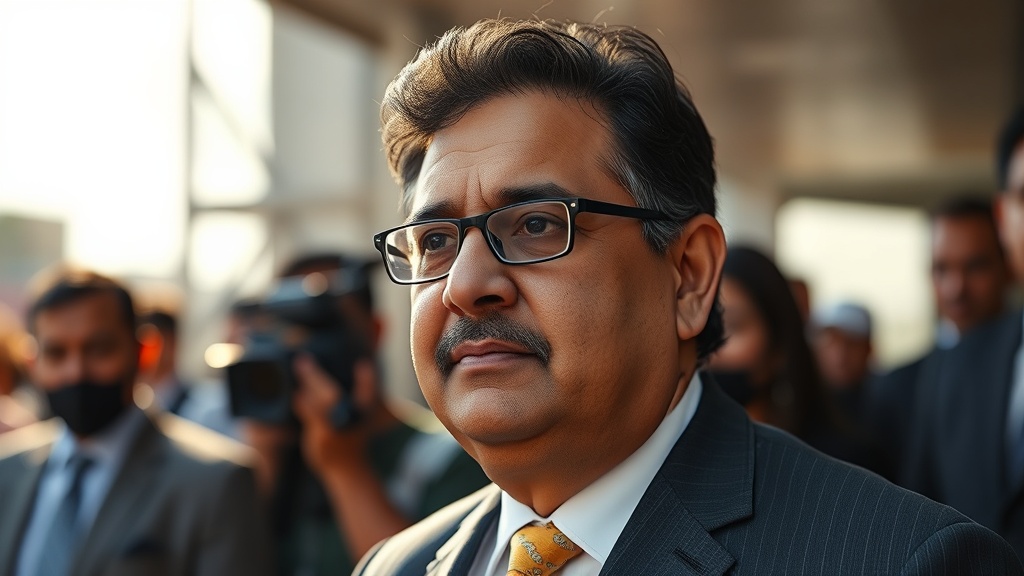
In a rapidly evolving political landscape, Mayor Zohran Mamdani of a growing city in Utah is emerging as a figure who embodies the complexities and challenges of modern American governance. Taking office in a climate marked by division and uncertainty, Mamdani's leadership is being closely scrutinized as he attempts to navigate the intricacies of local politics while addressing pressing community issues.
Mamdani, who took the mayoral seat after a hard-fought election, represents a new generation of leaders who are not only aware of the socio-political dynamics at play but are also committed to inclusivity and progressive policies. His ascent to this role comes at a time when cities across America are grappling with a myriad of challenges, including economic recovery post-COVID-19, social justice movements, and climate change.
Born and raised in a multicultural neighborhood, Mamdani's background reflects the diversity of the community he now serves. His parents, immigrants who came to the United States seeking better opportunities, instilled in him the values of hard work and civic engagement. This upbringing has shaped his vision for the city, promoting a sense of belonging for all residents, regardless of their background.
As mayor, one of Mamdani's primary goals is to address the pressing issue of affordable housing. In recent years, Utah has seen a significant increase in housing costs, making it difficult for many families to find suitable accommodations. Mamdani has pledged to work with local developers and community organizations to create more affordable housing projects, ensuring that residents are not priced out of their own neighborhoods. “Housing is a human right,” he stated during a recent town hall meeting. “We need to ensure that our community members can afford to live where they work and thrive.”
Additionally, Mamdani is focused on enhancing public safety while also advocating for reforms in law enforcement practices. His administration is exploring alternatives to traditional policing, emphasizing community-based safety programs and mental health resources. “We need to rethink how we approach safety in our city. It’s about building trust and collaboration between law enforcement and the community,” he explained.
Mamdani's approach to leadership is characterized by transparency and public engagement. Since taking office, he has made it a priority to hold regular community forums, allowing residents to voice their concerns and share their ideas. This open-door policy has been well-received, with many citizens expressing appreciation for a mayor who genuinely listens to their needs. “It feels good to have a leader who is approachable and cares about what we have to say,” said one local resident during a recent forum.
Environmental sustainability is another cornerstone of Mamdani's agenda. Recognizing the impact of climate change on the region, he is advocating for policies that promote green energy initiatives and reduce the city’s carbon footprint. His administration is exploring partnerships with local businesses to implement sustainable practices, including waste reduction and renewable energy projects. “We owe it to future generations to take action now. Sustainability should be at the forefront of our planning,” Mamdani asserted.
However, Mamdani’s leadership is not without its challenges. Political polarization, particularly in local governance, has become a significant hurdle. Some critics argue that his progressive policies may alienate conservative constituents, making it difficult to achieve bipartisan support for his initiatives. Nevertheless, Mamdani has expressed a commitment to fostering dialogue across political lines, stressing the importance of unity in addressing the city's challenges. “We may not always agree, but we can find common ground,” he remarked in a recent interview.
As Mamdani continues to settle into his role, the eyes of the nation are watching closely. His success or failure could provide insights into the broader trends shaping American politics in the 21st century. With a growing emphasis on inclusivity, environmental responsibility, and community engagement, Mamdani’s tenure may serve as a blueprint for future leaders across the country.
In conclusion, while it remains to be seen whether Mayor Zohran Mamdani possesses the skills and resilience to succeed in what many consider the second-hardest job in America, his early actions suggest a commitment to innovative leadership that resonates with contemporary American values. As challenges mount and expectations grow, Mamdani's ability to inspire change will be critical in shaping not only his city but potentially influencing the trajectory of political leadership nationwide.