Maya Angelou's Estate Joins Utah Lawsuit Against School Book Bans
Maya Angelou's estate joins a lawsuit challenging Utah's book bans, spotlighting concerns over censorship in education.
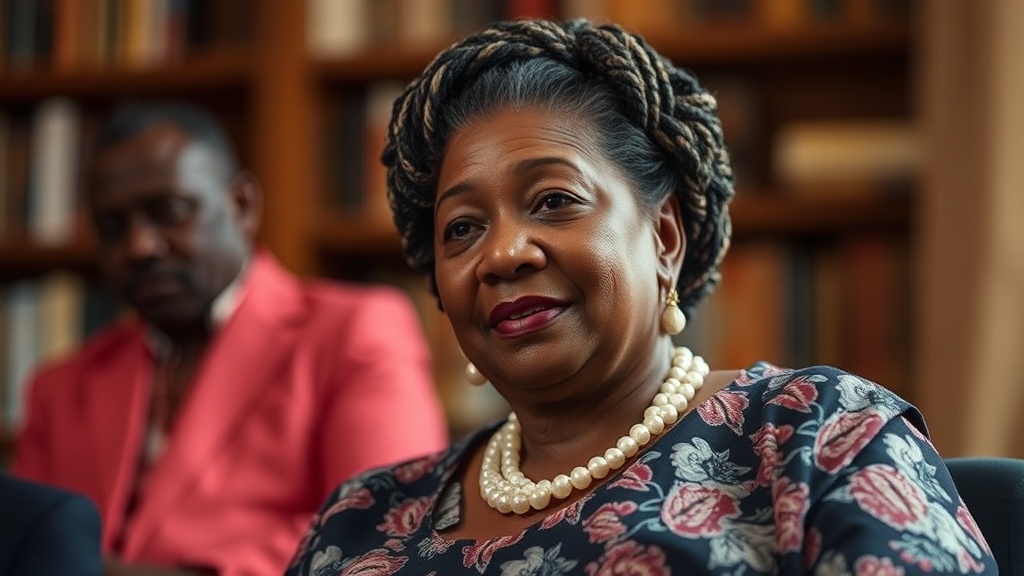
In a significant legal move, the estate of renowned poet Maya Angelou has officially joined a lawsuit challenging Utah's controversial sensitive materials law, which permits the removal of certain books from public schools. This development adds a high-profile dimension to an ongoing debate about educational content and censorship in the state. The law, enacted in 2022, has faced criticism for its vague definitions and potential to restrict access to important literary works, particularly those addressing sensitive topics such as race, sexuality, and mental health.
The lawsuit, filed in federal court, argues that the sensitive materials law violates the First Amendment rights of students and educators by imposing undue restrictions on what can be taught and read in schools. The estate of Maya Angelou, known for her powerful works addressing themes of identity, resilience, and social justice, seeks to protect the literary legacy of authors whose contributions to education could be diminished by such censorship. Angelou’s most celebrated work, "I Know Why the Caged Bird Sings," has been frequently challenged and banned in various educational settings across the country, making her estate's participation in this lawsuit particularly poignant.
Angelou's estate has issued a statement emphasizing the importance of access to diverse literary voices in education. “Maya Angelou’s work is a testament to the power of literature to inspire, educate, and provoke thought. The removal of her works from school libraries undermines the very foundation of education,” the statement read. This sentiment resonates with many educators and advocates who believe that exposure to a broad range of perspectives is essential for fostering critical thinking and empathy in students.
The sensitive materials law was primarily introduced as a response to growing concerns among parents and community members regarding the content being made available to children in schools. Proponents of the law argue that it empowers parents to have a say in their children's education and ensures that materials align with community standards. However, critics assert that the law is overly broad and could lead to the censorship of valuable educational resources, particularly those that address complex social issues.
Several organizations, including the American Civil Liberties Union (ACLU) and the National Coalition Against Censorship, have rallied behind the lawsuit, highlighting the chilling effect such laws can have on teachers' ability to teach effectively. “When educators fear repercussions for including certain materials in their curriculum, it can lead to self-censorship and a diminished educational experience for students,” said ACLU representative, Jane Doe, during a recent press conference.
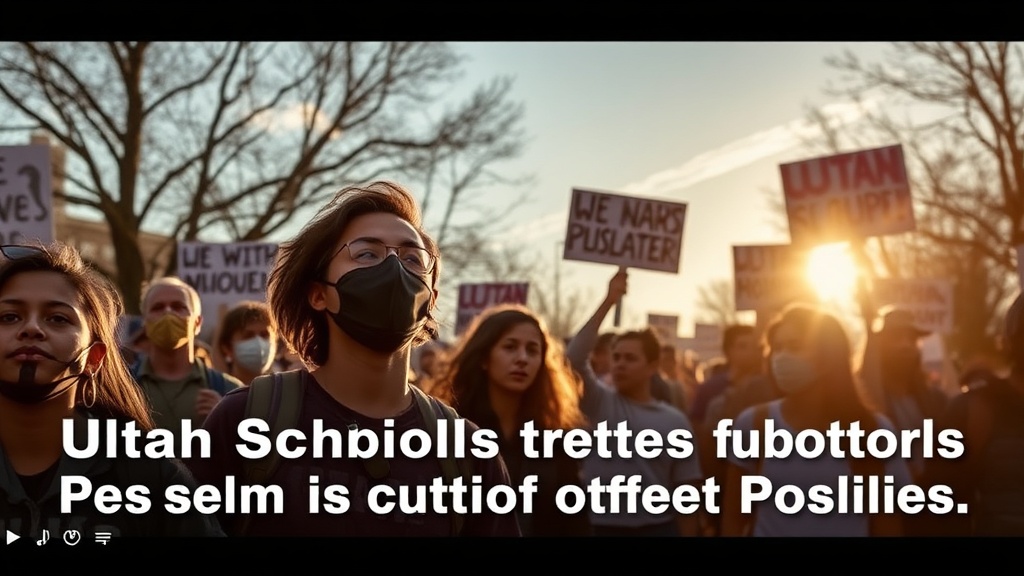
The lawsuit also highlights the growing trend of book banning across the United States, a movement spurred by heightened political polarization and contentious debates over the content of educational materials. In Utah, the sensitive materials law has led to the removal of multiple titles from school libraries, prompting protests from students, parents, and educators alike. Many argue that this trend disproportionately affects works by authors of color and those that address LGBTQ+ issues, further marginalizing already underrepresented voices in literature.
As the case proceeds, it is expected to draw significant attention not only within Utah but across the nation, as similar laws are being considered or enacted in other states. Legal experts suggest that the outcome could set a precedent for how educational materials are regulated and what rights students and educators have regarding access to diverse literature.
The involvement of Angelou's estate in this legal battle underscores the cultural and historical significance of her work and the broader implications of censorship in education. The estate's commitment to defending the legacy of one of America’s most influential literary figures may inspire other artists and authors to take a stand against similar legislative efforts that threaten the integrity of educational environments.
In conclusion, the lawsuit against Utah's sensitive materials law represents a crucial moment in the ongoing struggle between censorship and the right to free expression in education. With the support of the Maya Angelou estate and a growing coalition of advocates, the challenge aims not only to protect literary access for students in Utah but also to affirm the value of diverse voices in shaping the educational landscape across the country.