Massive Recall: Over 80,000 McDonald's Coffee K-Cups Affected in Three States
Over 80,000 McDonald's coffee K-Cups recalled due to mislabeling, impacting Virginia, Pennsylvania, and Maryland consumers.
In a significant product recall, the U.S. Food and Drug Administration (FDA) announced that more than 80,000 McDonald's coffee K-Cups are being pulled from shelves in three states due to mislabeling concerns. This recall specifically affects consumers in Virginia, Pennsylvania, and Maryland, raising alarms among coffee lovers and fast-food enthusiasts alike.
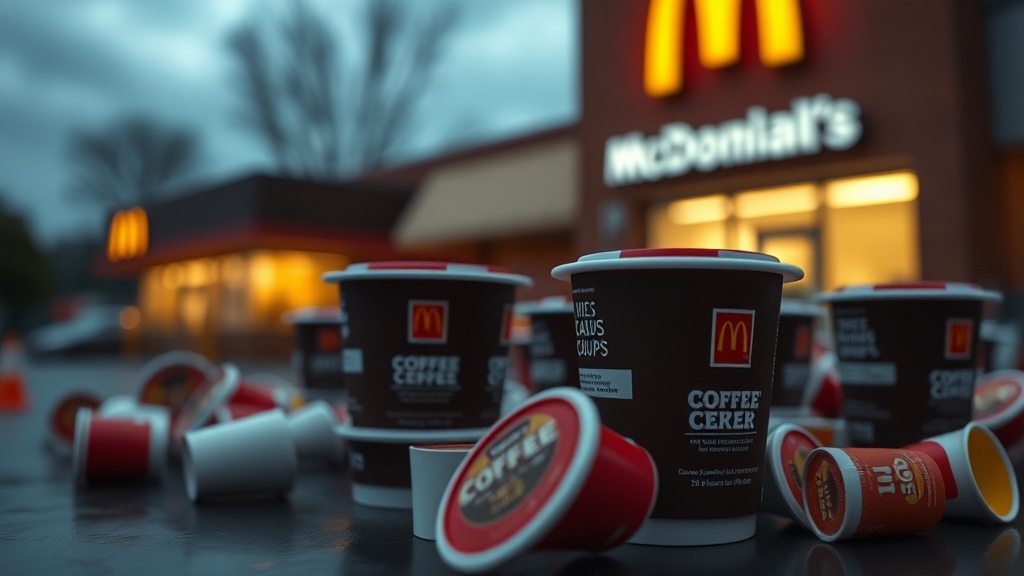
The K-Cups in question were found to be incorrectly labeled, leading to potential allergen exposure for consumers. The mislabeling issue primarily pertains to the absence of the allergen information for a key ingredient. The affected product is the McCafé Premium Roast Coffee K-Cups, which are packaged in boxes containing 12 individual cups. According to the FDA, the absence of this crucial labeling could pose serious health risks to individuals with food allergies, particularly those sensitive to dairy, as the mislabeling suggests that the product may not be suitable for all consumers.
The FDA stated that the recall was initiated after the company received reports from consumers who noticed discrepancies in the packaging. The agency is urging those who purchased the affected K-Cups to check their pantry and dispose of any that match the recalled lot numbers. The specific lot numbers and expiration dates can be found on the FDA's official website or directly on the packaging. McDonald's has assured customers that they are working closely with the FDA to resolve the issue swiftly and responsibly.
McDonald's has been a staple in the fast-food industry for decades, offering a range of products from burgers to breakfast items. The McCafé line of coffee products, introduced as a way to compete with premium coffee brands, has gained popularity in recent years. However, this recall casts a shadow over the brand's reputation for quality and safety. Consumers who rely on these coffee K-Cups for their daily caffeine fix may now find themselves questioning the overall safety of McDonald's products.
In light of this recall, McDonald's has issued a statement emphasizing their commitment to food safety and customer satisfaction. "We take product quality very seriously and are dedicated to ensuring that our customers have safe and enjoyable experiences with our products," the statement read. The company has also stated that they are reaching out to customers through various communication channels to ensure that they are informed about the recall and understand the necessary steps to take.
The FDA has advised consumers who have purchased these K-Cups to return them to the place of purchase for a full refund. Retailers in the affected states have been alerted to the recall and are taking measures to remove the products from their shelves to prevent further sales. This proactive approach aims to minimize the risk to consumers and ensure that the public is protected from any potential health hazards.
The implications of this recall extend beyond just the immediate health risks. For McDonald's, this incident could have lasting effects on consumer trust. In an era where consumers are increasingly concerned about food safety and transparency, brands must remain vigilant in maintaining high standards of quality control. Recalls of this nature can lead to negative publicity and a decline in sales, as customers may choose to seek alternatives from competitors.
As the recall unfolds, it remains to be seen how McDonald's will address the operational and reputational challenges that come with it. Industry experts suggest that the company may need to invest more heavily in its quality assurance processes to prevent future mishaps. "In a competitive market, maintaining consumer trust is paramount, and any lapse in quality can have significant repercussions," said food safety expert Dr. Emma Thompson.
As the situation continues to develop, consumers are encouraged to stay informed and vigilant. The FDA regularly updates its website with recall information, making it easier for the public to navigate product safety issues. With the increasing popularity of K-Cups and at-home coffee brewing, ensuring that coffee products are accurately labeled and safe for consumption is more critical than ever.
In conclusion, the recall of over 80,000 McDonald's coffee K-Cups serves as a reminder of the importance of accurate labeling and food safety. As the company works to rectify the situation, consumers should remain cautious and proactive in checking their products. This incident highlights the need for continuous improvement in food safety standards across the industry, ensuring that consumers can trust the brands they choose to support.