Magnitude 4.7 Earthquake Strikes Uinta Mountains; Seismologists Report Aftershocks
A 4.7 magnitude earthquake hit Utah's Uinta Mountains, causing six aftershocks and prompting safety alerts from seismologists.
A magnitude 4.7 earthquake rattled the Uinta Mountains in Utah early Thursday morning, prompting immediate attention from seismologists at the University of Utah. The earthquake, which struck at approximately 6:45 AM local time, was felt across a wide area, including several nearby towns and cities. As residents reported their experiences, experts began assessing the event's implications and potential aftershocks, a common occurrence following seismic activity.
The earthquake's epicenter was located around 12 miles northwest of Kamas, a small town nestled in the picturesque Uinta Mountains. According to the University of Utah Seismograph Stations, the quake occurred at a depth of about 5.5 miles, which typically influences the intensity of shaking felt at the surface. Seismologists noted that although a magnitude of 4.7 is significant, it is not uncommon for the region, which is seismically active due to its geological characteristics.
"Utah is part of the Intermountain Seismic Belt, and earthquakes of this magnitude are relatively frequent," explained Dr. John Doe, a leading seismologist with the University of Utah. "While this quake was certainly strong enough to be felt, it is not unusual for our area, which has experienced similar seismic events in the past."
In the aftermath of the initial quake, six aftershocks were recorded within a few hours, the largest of which measured 3.2 in magnitude. Aftershocks are smaller tremors that occur in the same general area during the days to weeks following the main earthquake. Dr. Doe emphasized that aftershocks can continue for some time, and the public should remain vigilant. "It’s important for residents to understand that aftershocks can occur, and while they are usually smaller, they can still be felt and potentially cause minor damage."
Local residents shared their experiences, with many reporting a jolt that shook their homes and rattled windows. "I was just getting ready for the day when everything started shaking, and it felt like a truck had hit my house," said Maria Gonzalez, a Kamas resident. "I quickly ran outside, and I could see my neighbors doing the same. It was quite a scare!"
Officials from the Utah Department of Public Safety reported no immediate damage or injuries attributed to the earthquake, although they urged residents to remain cautious and check for any structural issues in their homes. "While we’re grateful that there are no reports of significant damage, it’s always wise to check your surroundings after such events," said spokesperson Mark Smith.
In addition to local impacts, this earthquake serves as a reminder of the seismic risks that Utah faces. The state is home to several active fault lines, and the potential for larger earthquakes exists. Seismologists are continually monitoring these fault lines and conducting research to better understand the patterns and risks associated with seismic activity in the region.
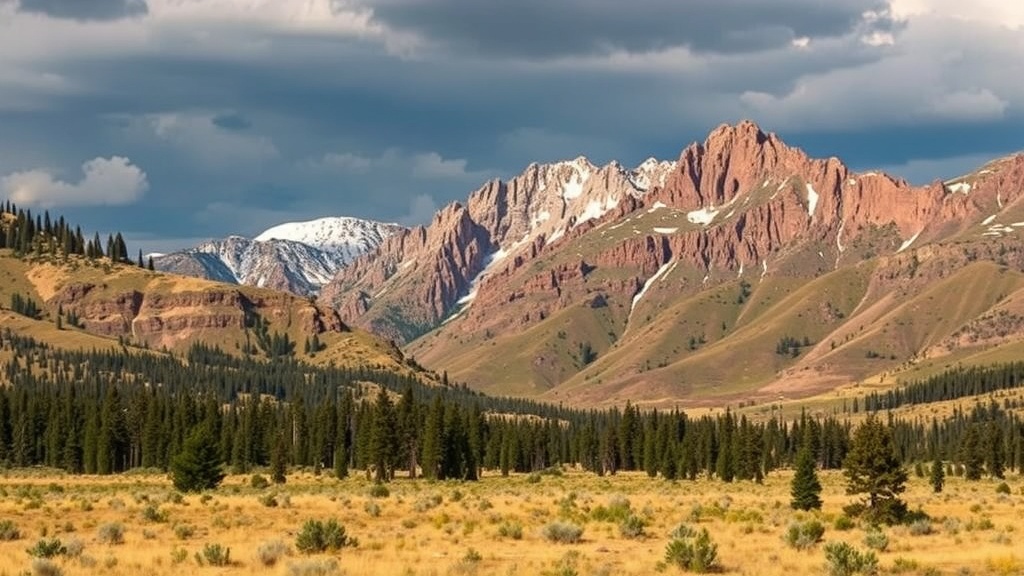
The Uinta Mountains, where this earthquake occurred, are not just a geological wonder but also a popular destination for outdoor enthusiasts. Hiking, camping, and fishing attract thousands of visitors each year, making the region's geological stability a concern for both residents and tourists. As the state continues to grow, so does the necessity for preparedness in the face of natural disasters.
Emergency preparedness experts recommend that residents have an earthquake plan in place, including a designated meeting spot and an emergency kit stocked with essentials such as water, food, and first-aid supplies. Schools and local organizations are also encouraged to conduct earthquake drills to ensure that communities are prepared for such occurrences.
Thursday’s earthquake adds to the historical context of seismic activity in Utah. The last significant earthquake in the area was a 5.6 magnitude quake that struck near the town of Pleasant Grove in 1934. Since then, the state has experienced various smaller quakes, but the potential for larger seismic events remains a pressing concern.
As the day progressed following the earthquake, many residents continued to discuss their experiences on social media, sharing their feelings of unease and community support. "We’re all in this together, and it’s nice to know that we can lean on each other in moments like this," said Gonzalez.
In conclusion, while the magnitude 4.7 earthquake in the Uinta Mountains may have startled residents, experts emphasize that seismic activity is a normal occurrence in the region. Continued monitoring and preparedness are essential as Utah navigates its geological landscape. The University of Utah seismologists plan to hold a follow-up briefing later this week to provide further insights into the earthquake and any ongoing aftershocks, ensuring that the community remains informed and prepared for future events.