Legal Battle Begins for Armed Volunteer Charged in Fatal No Kings Protest Shooting
Matthew Scott Alder faces manslaughter charges in the shooting death of Arthur Ah Loo during a protest in Salt Lake City. Legal proceedings intensify.
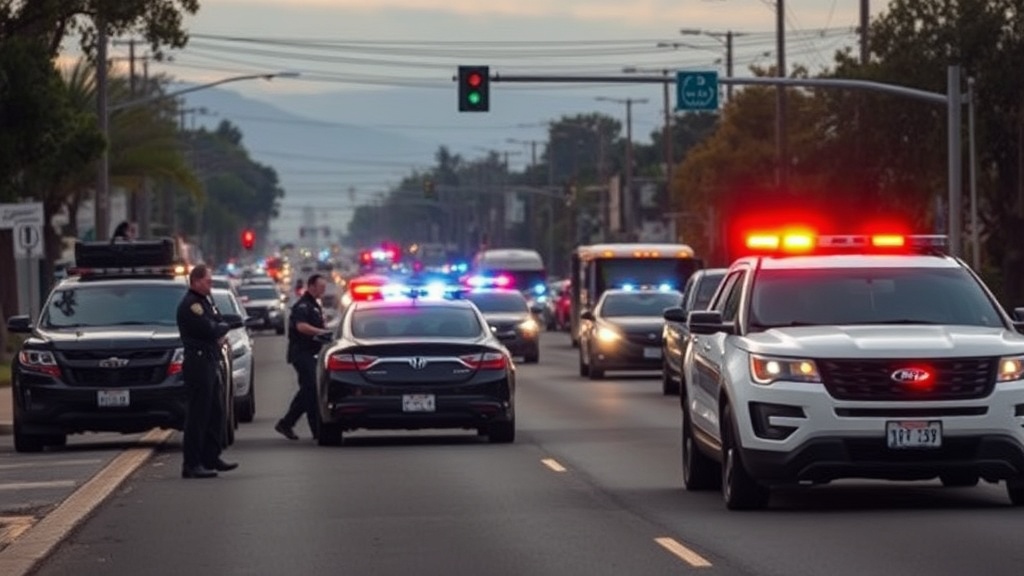
In a tragic incident that has captured national attention, Matthew Scott Alder, a 43-year-old armed volunteer, faces charges of manslaughter following a fatal shooting at the No Kings protest in Salt Lake City on June 14, 2025. The case unfolded in 3rd District Court on January 6, 2026, where Alder made his first court appearance, confronting a charge that has spurred intense debate about self-defense laws and the implications of armed protests.
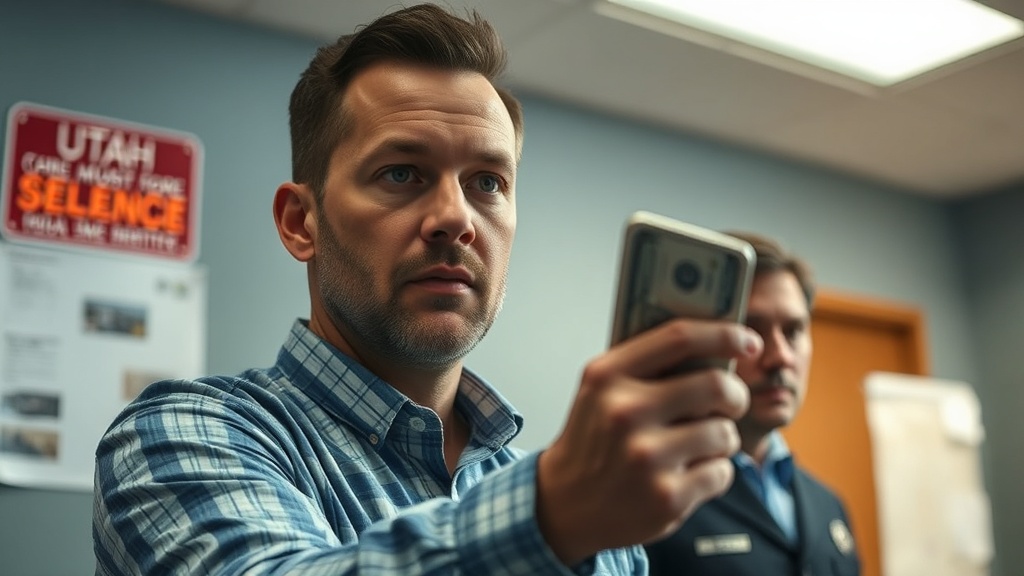
The confrontation that led to the deadly incident occurred during a protest attended by approximately 10,000 demonstrators opposing former President Donald Trump’s policies. According to the prosecution's narrative, Alder discharged his firearm with reckless abandon, resulting in the death of Arthur “Afa” Ah Loo, a beloved fashion designer and father of two, who was merely documenting the event on his phone. Prosecutors assert that Alder was aiming at another individual armed with a rifle, believing he posed an imminent threat. However, in a twist of fate, his bullet struck Ah Loo instead, raising critical questions about the nature of self-defense and public safety during demonstrations.
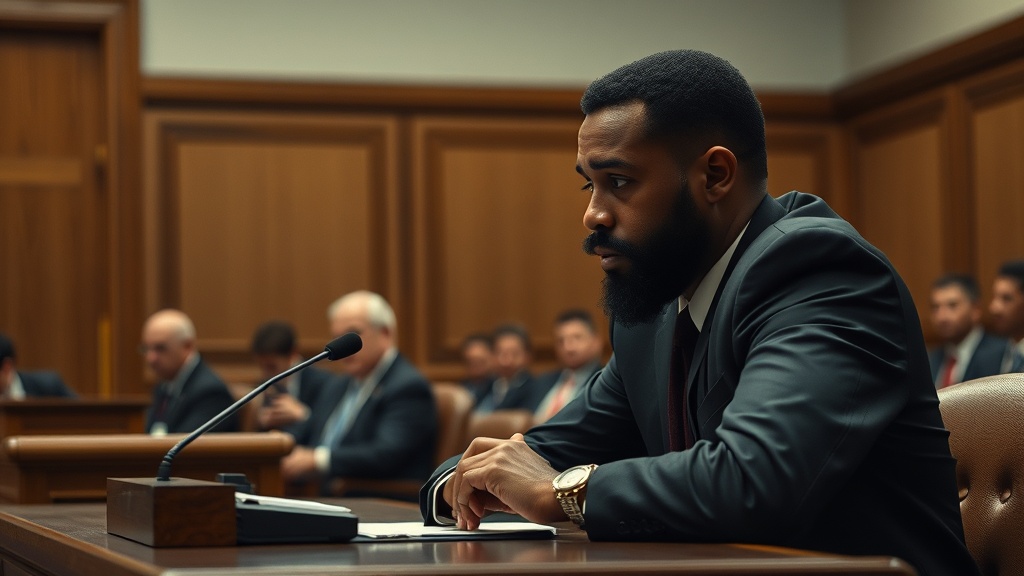
During the brief court proceedings, which lasted less than three minutes, Alder appeared in a gray suit, displaying a demeanor of calm amid the gravity of the situation. He did not engage with reporters as he departed the courthouse, leaving his legal representation to speak on his behalf. Philp Wormdahl, Alder's attorney, contended that his client acted within the bounds of the law, claiming a robust self-defense argument. Wormdahl highlighted Utah's 2021 self-defense legislation, which mandates that cases be dismissed if prosecutors fail to prove beyond a reasonable doubt that the use of force was unjustified.
"On that date in June, it was a great tragedy," Wormdahl stated. "However, the evidence we have suggests that no reasonable person could conclude that Alder's actions were unjustified." This assertion is supported by testimonies from witnesses at the protest, including one individual who expressed concern for the safety of those around them due to the actions of the armed man.
Alder reportedly observed the armed individual preparing to fire his weapon, described in court documents as “charging the handle” of the rifle. Fearing that the man intended to unleash a barrage of gunfire into the crowd, Alder yelled for him to stop, but the man did not heed his warnings. This perception of a looming threat prompted Alder to act, ultimately leading to the tragic shooting.
The legal case against Alder is further complicated by the actions of Arturo Gamboa, another individual present at the protest, who was initially jailed for six days as authorities investigated his involvement. Gamboa has since been cleared of any wrongdoing, asserting that his rifle was unloaded and that he was exercising his constitutional rights. Utah County District Attorney Sim Gill acknowledged the complexities involved in the case, noting the fine line between justified self-defense and reckless behavior in a crowded setting.
As the legal proceedings continue, Alder has not been taken into custody, with prosecutors indicating he is not considered a flight risk. A court date has been set for March 20, 2026, to discuss further scheduling matters. If convicted of manslaughter, Alder may face a prison sentence ranging from one to 15 years, along with potential fines totaling up to $10,000.
The ramifications of this case extend beyond Alder and Ah Loo's families; they raise broader concerns about the legality of displaying firearms in public spaces, particularly during protests. Current Utah law allows individuals to openly carry firearms, a provision that has prompted state representatives like Verona Mauga to propose legislative changes aimed at restricting such practices during demonstrations.
As the community grapples with the aftermath of the shooting, Laura Ah Loo, the widow of Arthur Ah Loo, has publicly expressed her frustration and pain over the lengthy wait for answers regarding her husband’s death. She has indicated plans to pursue legal action against Alder, further complicating an already intricate legal landscape.
The No Kings protest was organized against what many perceived as oppressive government policies, and the events leading up to the shooting have raised questions about the role of armed volunteers at public demonstrations. Governor Spencer Cox had previously warned organizers against utilizing armed individuals at protests, stating that it posed a significant risk to public safety. The state has since moved to tighten regulations surrounding permits for such gatherings, aiming to prevent future tragedies.
As this case unfolds, it is likely to spark further discussions about gun rights, public safety, and the legal precedents that shape self-defense laws in Utah and beyond. Alder's defense will likely hinge on the interpretation of his actions and the events leading up to the shooting, while prosecutors will work to establish the recklessness of his conduct during a highly charged public event. With the court date approaching, all eyes will remain on this high-profile case as it continues to develop, reflecting larger societal issues surrounding gun control and the rights to protest.