Judge Rules on Expert Testimonies in Kouri Richins Murder Case
Kouri Richins faces serious charges in her husband's alleged poisoning case, as a judge rules on expert testimonies crucial to the trial.
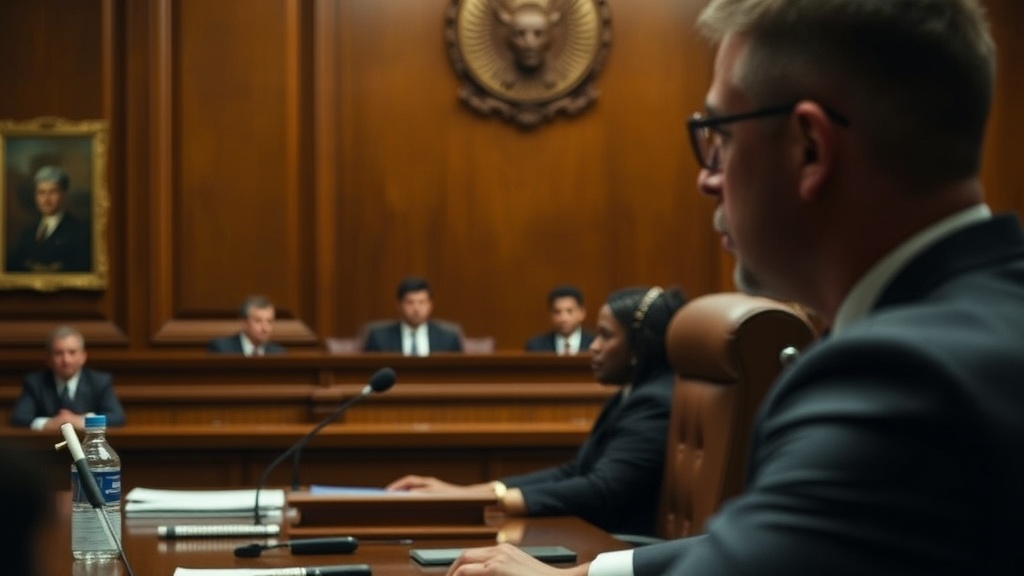
In a significant development in the ongoing murder case of Kouri Richins, a Kamas mother accused of poisoning her husband, Eric Richins, with fentanyl, a judge ruled on Wednesday morning regarding the admissibility of expert testimonies at an evidentiary hearing held in Salt Lake City. The courtroom was filled with tension as the prosecution and defense presented their arguments concerning the relevance and credibility of the expert witnesses who could provide crucial insights into the circumstances surrounding Eric Richins' death.
Kouri Richins, 33, has been charged with first-degree felony murder, along with other related charges, following the untimely death of her husband in March 2022. The prosecution alleges that she deliberately administered a lethal dose of fentanyl to Eric, a claim that she vehemently denies. The case has garnered significant media attention, not only due to its tragic nature but also because of the shocking claims surrounding the couple's life and their apparent financial struggles.
During the hearing, Judge Andrew H. Stone evaluated the qualifications of various expert witnesses proposed by both sides. The prosecution sought to include testimonies from pharmacologists and toxicologists who could explain the effects of fentanyl and how it could be administered without detection. In contrast, the defense aimed to introduce experts who could challenge the prosecution's claims about the presence of fentanyl in Eric's system and the circumstances leading to his death.
One key moment in the hearing came when the defense attorney, Shannon R. Smith, argued that the prosecution's expert witnesses lacked the necessary background to make definitive claims about the case. "We believe that the evidence presented by the prosecution is circumstantial at best and that their experts are not adequately qualified to provide the conclusions they are aiming for," Smith stated. This assertion highlights the ongoing contention surrounding the validity of forensic evidence in cases involving complex toxicology.
The prosecution, represented by Assistant District Attorney Michael D. Hunsaker, countered by emphasizing the importance of expert testimonies in establishing a clear narrative of the events leading up to Eric’s death. Hunsaker argued, "This is not just about evidence; it’s about justice for Eric Richins and understanding the full scope of what happened that night. Our experts have the qualifications and experience necessary to provide a comprehensive picture of the toxicological findings."
The judge's decision on which expert testimonies will be permitted is crucial, as it could significantly influence the trajectory of the trial. The evidentiary hearing marks a critical phase in the judicial process, as both sides prepare for what could be a lengthy trial. Judge Stone is expected to issue his rulings on the admissibility of the testimonies shortly, which will pave the way for the next steps in the case.
In addition to the contentious debates surrounding the expert testimonies, the case has also revealed underlying issues related to the Richins family's financial status. Reports indicate that Kouri Richins had taken out multiple life insurance policies on her husband, totaling over $2 million. The prosecution is expected to argue that financial motives played a significant role in the alleged crime. This aspect of the case has raised ethical questions and public interest, as many wonder how economic stressors can lead to such tragic outcomes.
Furthermore, the community in Kamas, a small town in Utah, has been rocked by the allegations against a mother who, according to friends and neighbors, was seen as a devoted family member. The duality of Kouri’s public persona as a caring mother and the serious charges she faces has left many residents in shock. Local sentiments have been divided, with some expressing disbelief at the accusations while others advocate for justice for Eric Richins.
As the case unfolds, it will not only focus on the events leading to Eric’s death but also examine the broader implications of domestic relationships, financial pressures, and the judicial process in handling such sensitive cases. The Richins case represents a complex intersection of familial tragedy, potential financial crime, and the legal ramifications of expert testimony in court.
With the evidentiary hearing concluded, the legal teams await the judge's ruling, which will be a pivotal factor in how the case progresses. As the community watches closely, the implications of this case extend beyond the courtroom, touching on broader societal issues that resonate with many families. The trial is anticipated to begin later this year, with both sides preparing for what promises to be a contentious battle over the facts surrounding Eric Richins' death and Kouri Richins' alleged role in it.