Judge Deliberates on Expert Testimony in Kouri Richins Murder Case
Kouri Richins faces trial for allegedly murdering her husband. Key rulings on expert testimony may shape the case's outcome.
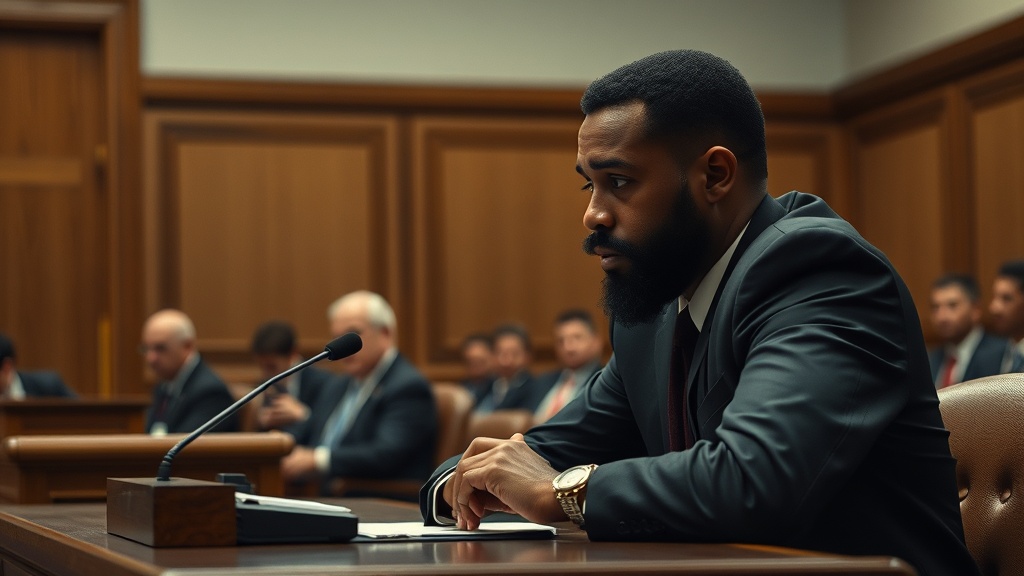
In a significant hearing on Wednesday, Kouri Richins appeared in court as the trial for her alleged aggravated murder of her husband, Eric Richins, approaches. The courtroom was filled with tension as both the prosecution and defense presented their arguments regarding the admissibility of expert testimony in the high-profile case. Judge Richard Mrazik presided over the evidentiary hearing, where critical decisions were made that will shape the upcoming trial.
Richins, who is facing serious charges including aggravated murder, forgery, and multiple counts of possession with intent to distribute, is accused of administering a lethal dose of fentanyl to her husband in March 2022. As the trial date draws near, the stakes are high, and the legal strategies employed by both sides are coming into sharper focus.
During the hearing, the defense team sought to exclude the testimony of three experts presented by the prosecution. The first of these was an expert on "pathway to violence" studies, which outlines behavioral patterns often observed in perpetrators of targeted violence. Prosecutor Lindsay Chervenak argued that this framework could provide invaluable insight into the motivations behind violent acts. However, Judge Mrazik ruled that while this expert could not be used to directly establish Richins' guilt, they could potentially be called as a "blind expert" to counter any categorical assertions made by the defense regarding the nature of homicides.
This ruling underscores the delicate balance judges must maintain between the introduction of expert testimony and the rights of the accused. The judge's decision to allow the expert's testimony in a rebuttal capacity suggests a recognition of the complexity of the case, while still safeguarding the integrity of the trial process.
The defense's second motion was aimed at excluding the testimony of handwriting analysis expert Matt Throckmorton. Richins' attorney, Kathryn Nester, contended that Throckmorton could not definitively affirm that Richins had forged her husband's initials on various documents. After considerable deliberation, Judge Mrazik denied this motion, deeming the handwriting analysis reliable enough to be presented in court. This decision could prove pivotal, as the question of forgery may play a crucial role in establishing Richins' intent and actions leading up to her husband's death.
Lastly, the defense sought to bar the testimony of Dr. Sherry Vanino, a domestic abuse expert. The defense argued that there was no substantial evidence to suggest that Eric Richins had faced abuse within their marriage, a claim that Judge Mrazik ultimately agreed with. He commented on the lack of admissible evidence indicating that Eric was aware of any attempts to harm him, pointing out the absence of a clear connection between the alleged domestic abuse and the circumstances surrounding his death. However, in a notable caveat, Mrazik indicated he would revisit this ruling should the prosecution provide evidence establishing that Eric Richins had been aware of past threats against him.
The implications of these rulings are significant as they set the stage for the upcoming trial, which is expected to delve deeply into the couple's relationship and the events leading up to Eric Richins' death. The interplay of expert testimony will likely be a focal point of the trial, as both sides aim to shape the narrative surrounding the case. With the trial date set for next month, the legal teams are gearing up for what promises to be a contentious and closely watched courtroom battle.
The Kouri Richins case has garnered widespread media attention, not only due to the serious nature of the charges but also because of the societal and familial implications associated with such cases of alleged domestic violence and murder. As the trial approaches, the courtroom will serve as a battleground for differing interpretations of evidence, expert opinions, and the broader issues of justice and accountability. The outcome will undoubtedly have a lasting impact on all parties involved, as well as on the community grappling with the tragic events surrounding this case.
As the trial draws closer, the legal strategies will continue to evolve, and both the prosecution and defense will prepare to present their cases in a manner that captures the complexities of this high-profile murder trial. The rulings made by Judge Mrazik on Wednesday are just the beginning of what promises to be an emotionally charged and legally intricate trial, with the potential for significant ramifications for Kouri Richins and her family, as well as for the broader community.