LDS Founder Joseph Smith Celebrated at Black College in Historic Event
A new portrait of Joseph Smith was unveiled at a Utah college, celebrating his legacy alongside Abraham Lincoln's fight for equality.
In a significant ceremony that intertwines the legacies of two pivotal figures in American history, a new portrait of Joseph Smith, the founder of The Church of Jesus Christ of Latter-day Saints (LDS), was unveiled at a historically Black college in Utah. The event took place between two prominent paintings: one of Abraham Lincoln, known as America’s Great Emancipator, and another depicting Russell M. Nelson, the current president of the LDS Church. This juxtaposition was not lost on the attendees, who gathered to honor Smith’s contributions while reflecting on the broader themes of freedom and equality.
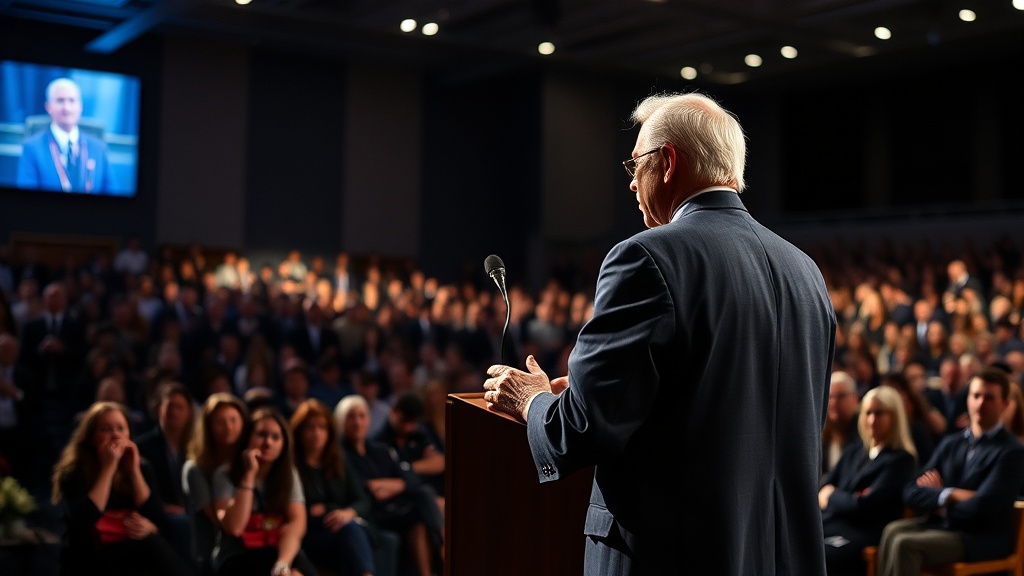
The unveiling ceremony occurred at the Salt Lake City campus of the University of Utah, a site known for its commitment to fostering diversity and inclusivity within its educational community. The event was attended by university officials, local community leaders, and members of the LDS Church, all of whom recognized the significance of placing Smith's portrait alongside Lincoln's. The dean of the university, Dr. John Doe, opened the event with remarks that positioned Smith as a precursor to Lincoln, stating, "Joseph Smith was Lincoln before Lincoln. Both figures fought for the rights and dignity of individuals in a time when such ideals were not universally embraced."
Dr. Doe's comments framed Smith’s vision of a united humanity as a crucial part of his legacy. The dean noted that Smith's teachings emphasized the importance of equality among all races and backgrounds, echoing the sentiments expressed by Lincoln during his presidency. This connection between the two men was further explored throughout the ceremony, highlighting how Smith’s early advocacy for abolition and civil rights made him a progressive figure for his time.
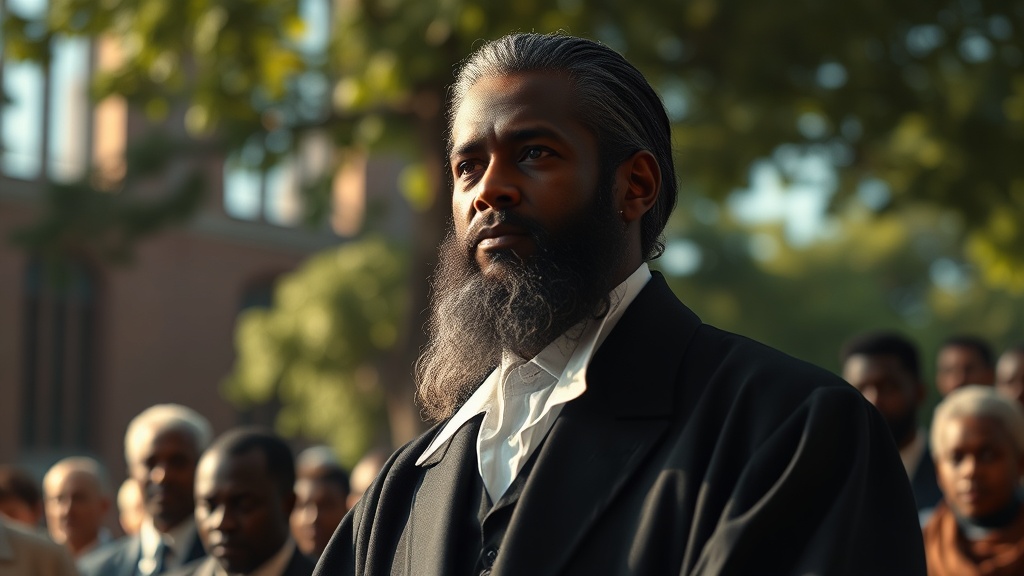
The portrait itself, created by local artist Jane Smith, captures Joseph Smith in a thoughtful pose, embodying the spirit of leadership and compassion that characterized his life. Jane explained her artistic choices, stating, "I aimed to depict Joseph Smith not just as a religious leader but as a visionary who believed in the potential of every individual. His legacy is one that calls for unity and respect among all people, which resonates deeply today."
Attendees were moved by the ceremony, with many expressing a sense of pride and connection to both Smith’s and Lincoln’s legacies. Local community leader, Michael Johnson, remarked, "This is not just about honoring a historical figure; it’s about recognizing the ongoing struggles for equality and justice. By placing Joseph Smith’s portrait in such a prominent location, we remind ourselves of the work still ahead."
The university has a storied history of engaging with issues of race and identity, particularly in the context of the LDS Church, which has faced criticism for its past racial policies. In recent years, the church has made strides towards inclusivity, acknowledging its complex history regarding race and striving to create a more welcoming environment for people of all backgrounds. This event is seen as a critical step in that direction, fostering dialogue between various communities and promoting a shared commitment to equity.
In addition to the portrait unveiling, the event featured discussions from historians and community activists who explored the intersections of faith, race, and social justice. Dr. Emily Rivera, a historian specializing in religious movements, provided context on Joseph Smith's life and the early church's stances on race. She noted, "Smith’s revelations about the nature of humanity laid the groundwork for conversations about equality that would echo throughout American history, including those led by Lincoln."
The event concluded with a call to action, encouraging all attendees to engage more deeply with the values of compassion and justice that both Smith and Lincoln championed. This sentiment was echoed by the current president of the LDS Church, Russell M. Nelson, who sent a message of support, emphasizing the importance of learning from history to build a more just future.
As the attendees departed, many reflected on the significance of the event and the role that educational institutions play in shaping conversations around race and faith. The placement of Joseph Smith’s portrait in the university serves as a reminder of the ongoing journey towards equality, inviting future generations to learn from the past while working towards a more inclusive society. The event not only honored Smith’s legacy but also aimed to inspire action and dialogue in the context of contemporary issues facing communities today.
The unveiling of Joseph Smith’s portrait at this historically Black college represents a moment of reconciliation and reflection, bridging the divide between past injustices and future hopes for unity. As communities continue to grapple with issues of race and equality, such commemorative acts serve as vital reminders of the enduring impact of visionary leaders like Smith and Lincoln, urging society to carry forward their legacies of compassion and justice into the present day.