Intermountain Health Ends Pension Program: Impacts on Employees Explained
Intermountain Health's decision to freeze its pension plan impacts thousands of employees, raising concerns about retirement security and financial planning.
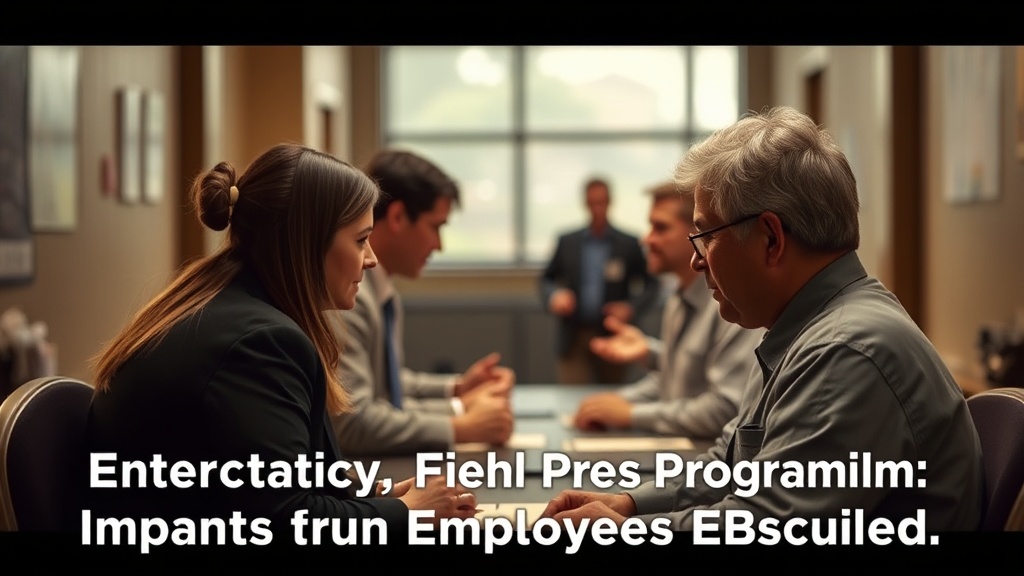
Intermountain Health, one of Utah's largest healthcare providers, announced last week a significant shift in its employee benefits structure by deciding to freeze its longstanding pension plans. This decision, which affects thousands of employees across the state, has raised concerns about retirement security and financial planning for current and future workers.
The pension program, which has been in place for several decades, provided a defined benefit to employees after retirement, ensuring a certain level of income during their post-employment years. With the freeze, Intermountain Health will halt the accrual of benefits for employees, meaning that future retirement payouts will be limited to what has already been earned up until the freeze.
In a statement released by Intermountain Health, the organization indicated that the decision was driven by the need to adapt to changing economic conditions and to ensure the long-term sustainability of its financial resources. "As we continue to navigate the complexities of healthcare funding, we must make difficult decisions to secure the future of our organization and the people we serve," said Intermountain Health's Chief Financial Officer, Dr. Daron F. J. Murdock. "This decision allows us to invest more in our workforce and improve patient care."
The freeze on the pension plan does not mean that current employees will lose their accrued benefits; instead, employees will retain the benefits they have already earned. However, it does signal a transition to a more common retirement savings model that many companies are adopting: the 401(k) plan. Intermountain Health has assured employees that they will continue to offer a robust 401(k) plan, which includes company matching contributions.
Financial experts suggest that the shift from a defined benefit pension plan to a defined contribution plan, such as a 401(k), places more responsibility on employees to plan and save for their retirement. "Employees will need to be more proactive in managing their retirement savings, which can be a challenge for many individuals who may not have the financial literacy or resources to effectively do so," explained Sarah Thompson, a financial advisor based in Salt Lake City.
Many employees expressed feelings of uncertainty and concern following the announcement. For those who have dedicated years to their roles at Intermountain Health, the freeze on the pension plan feels like a significant shift in the company’s commitment to their long-term financial well-being. "I’ve been planning my retirement based on the pension benefits I expected to receive. This news has thrown a wrench in those plans," said John Martinez, a surgical technician who has worked at Intermountain Health for over 15 years.
The implications of this decision extend beyond just the employees, affecting the broader healthcare landscape in Utah. As one of the largest employers in the state, Intermountain Health's decision may influence other organizations to consider similar changes to their retirement benefits. "We are seeing a trend in various industries where companies are moving away from traditional pension plans to more flexible retirement options. This could set a precedent for other healthcare organizations in the region," noted Dr. Lisa Rodriguez, an expert in healthcare management.
While the pension freeze is a significant change, it is not unprecedented within the healthcare industry. Many organizations have been shifting towards defined contribution plans as a way to manage financial risk and improve their overall fiscal health. The transition can be challenging for employees who may not be accustomed to taking on the responsibility of managing their own retirement savings.
In response to employee concerns, Intermountain Health has pledged to provide resources and support to aid employees in navigating this transition. The organization plans to offer workshops and financial counseling sessions to help staff understand the changes and develop effective retirement strategies. "We want to ensure that our employees feel supported during this transition and have the tools they need to plan for their future," Dr. Murdock stated.
As the healthcare landscape continues to evolve, so too will the benefits offered by employers. For employees of Intermountain Health, this change marks a pivotal moment in their careers and financial planning. It serves as a reminder of the importance of being proactive in retirement savings and understanding the implications of benefits changes in the workplace. As they adjust to the new system, employees will need to engage with resources available to them and take charge of their financial futures.
In conclusion, while the freezing of the pension plan at Intermountain Health represents a significant change for its employees, it also reflects broader trends in the employment landscape. As companies adapt to economic realities, workers must navigate these changes with an eye toward their financial futures, leveraging new resources to secure their retirement goals.