Inside Missouri's Unique Prison Nursery Program for Incarcerated Mothers
Missouri's prison nursery program offers hope and support for incarcerated mothers, fostering bonding with their infants despite the challenges of prison life.
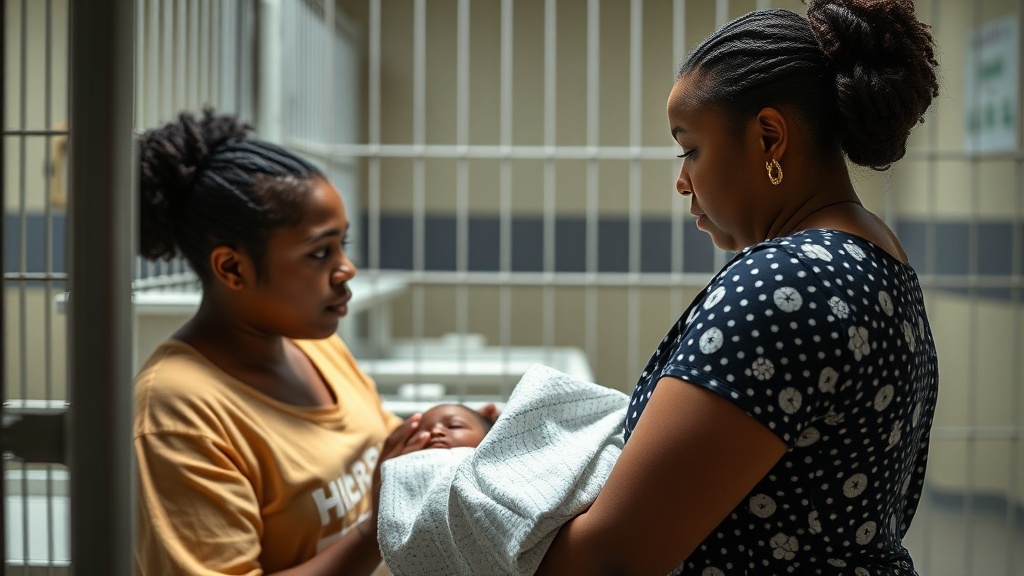
In a groundbreaking initiative, Missouri's Women’s Eastern Reception, Diagnostic and Correctional Center (WERDCC) has established a nursery program that allows incarcerated mothers to raise their infants within prison walls. This program, launched in February 2022, is one of only nine similar facilities in the United States, and it aims to promote maternal bonding, reduce recidivism, and address the unique needs of mothers behind bars.
Kathy Briggs, a 29-year-old participant in the program, embodies the transformative potential of this initiative. As she adjusted a new baby carrier to hold her six-month-old daughter, Melody, the atmosphere in the nursery felt like that of a regular daycare, complete with the sounds of baby babbles and the chatter of mothers. However, the presence of uniformed officers and the unmistakable prison environment serve as a stark reminder of the complex realities these women face.
Briggs, who has faced significant challenges in her life, including multiple bouts of incarceration and struggles with addiction, is now learning to navigate motherhood while serving her sentence. "Some of us didn't grow up with good families or a lot of love," Briggs said, highlighting the crucial role that the nursery plays in her life and the lives of her peers. The support provided within the nursery unit fosters a sense of community among mothers, allowing them to share insights and parenting techniques in a nurturing environment.
The program accommodates mothers with their infants for up to 18 months, provided they have no more than 18 months left on their sentences at the time of delivery. However, those convicted of violent sexual offenses or crimes against children are excluded from participation. The nursery can house 14 mother-baby pairs, and women undergo rigorous evaluations based on their mental health, disciplinary history, and engagement in prison programs before being admitted.
Kaley McDowell, another mother in the program, shares her journey of motherhood amidst incarceration. At 34, she is the mother of four daughters, including her youngest, Kimber, who is now seven months old. McDowell finds herself in a unique position within the nursery, often sought after by other mothers for advice and support. "I have watched moms transform their lives," said Kim Perkins, the nursery program manager, emphasizing the positive impact of the environment on maternal mental health and bonding.
The nursery is designed to provide a warm and supportive atmosphere, featuring cribs, rocking chairs, and areas for play. Mothers engage in activities such as group meals, reading sessions, and parenting classes, further embedding the values of community and support. Correctional officers trained to interact with infants and mothers help create a safe and nurturing space, contributing to the mothers’ sense of security and comfort.
However, critics of prison nursery programs raise concerns about the appropriateness of such environments for young children. While research indicates that these programs can enhance maternal bonding and lower recidivism rates, opponents argue that prisons are inherently unsuitable for raising children due to limited resources and lack of specialized care. "Prisons are usually not staffed with maternal health experts or pediatricians, and medical care is often inconsistent," noted Dr. Carolyn Sufrin, a medical anthropologist and advocate for reproductive wellness among incarcerated women.
Across the country, only a handful of states have implemented similar nursery programs, with New York leading the way with the oldest program, which has been operational since the early 1900s. States like Nebraska and Illinois have also established nursery facilities, but each program varies in its structure, eligibility, and resources.
Despite the challenges and criticisms, the Missouri nursery program continues to serve as a beacon of hope for many mothers. The initiative not only aims to keep families together during incarceration but also empowers women to break the cycle of addiction and recidivism. Kathy Briggs, who is set to transition to a halfway house soon with her daughters, reflects on her journey with optimism. "I want to live life, and I want to show them that they can live a good life," she stated, expressing her desire to help other mothers navigate their own challenges in the future.
As the program attracts increasing interest and participation, it highlights the urgent need for policymakers to consider the unique circumstances of incarcerated women and the potential benefits of nurturing maternal-child relationships, even within the confines of a prison. While the debate over prison nurseries continues, the experiences of mothers like Briggs and McDowell underscore the importance of supporting family bonds in the most challenging circumstances.