Protests Erupt in Utah Following Fatal Minneapolis Shooting by ICE Agent
Protests erupted in Utah against ICE after the shooting death of Kira Johnson in Minneapolis, highlighting urgent calls for reform and justice.
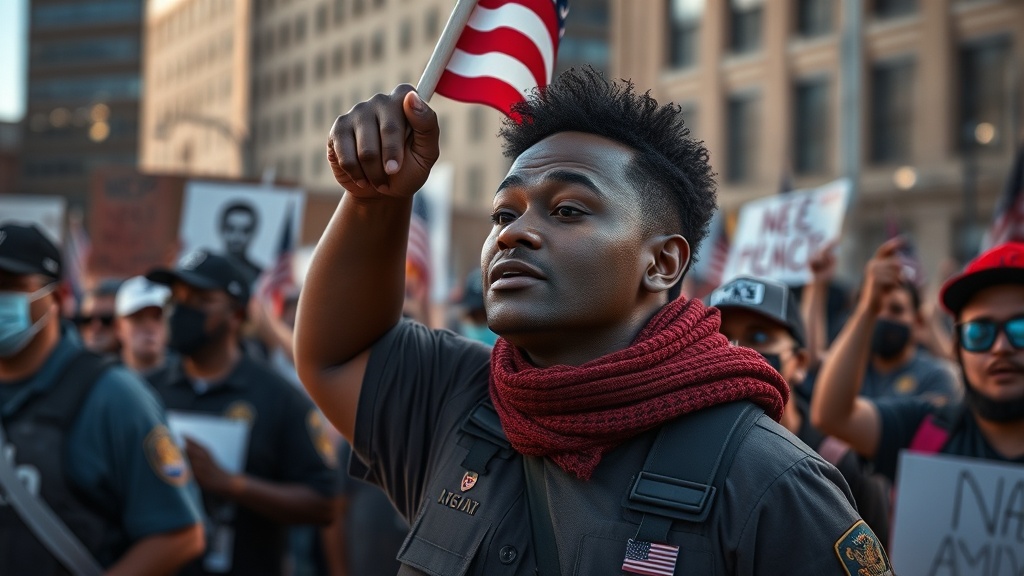
In a powerful display of solidarity and outrage, protesters took to the streets in several Utah cities on Saturday to voice their opposition to the Immigration and Customs Enforcement (ICE) agency. This rally was ignited by the tragic shooting death of 35-year-old Kira Johnson, a Minneapolis woman, on January 7. The incident, which has drawn widespread condemnation, has intensified ongoing debates about ICE's role in law enforcement and its impact on immigrant communities across the nation.
The gathering in Utah was organized by a coalition of local activist groups, including the Utah Coalition for Immigrant Rights and the Utah chapter of the Democratic Socialists of America. Demonstrators convened in Salt Lake City, Provo, and Ogden, carrying signs emblazoned with slogans such as “ICE Out For Good” and “Justice for Kira.” The protests sought not only to honor Johnson's memory but also to call for a broader reassessment of ICE's policies and practices, particularly in light of allegations of excessive force and civil rights violations.
Kira Johnson was shot by an ICE agent during an operation intended to apprehend her partner, who had an outstanding warrant. According to initial reports, Johnson was an innocent bystander, caught in the crossfire. Eyewitness accounts describe a chaotic scene, where the agent allegedly discharged their weapon without regard for the safety of nearby civilians. This tragic event has raised numerous questions about the protocols followed by ICE agents during such operations and the agency's accountability in instances of violence.
“The death of Kira Johnson is not just a tragedy; it’s a clear indication of the failures within ICE,” said Maria Gonzalez, a local organizer. “Her life was cut short by an agency that operates with little to no accountability. We are here to demand justice and to ensure that such incidents do not happen again.” Gonzalez's sentiments were echoed by many at the rally, who expressed frustration over the perceived lack of oversight regarding ICE's activities.
The protests were characterized by a palpable sense of urgency, with many participants highlighting the emotional toll that such incidents take on immigrant communities. “Every day, we live in fear of being targeted by ICE,” said Javier Martinez, a participant from Salt Lake City. “Kira’s story is a reminder that our lives are at stake.” Martinez, along with others, called for reforms that would limit ICE's power and ensure the safety and dignity of all individuals, regardless of their immigration status.
The protests were peaceful, marked by speeches from community leaders and moments of silence for Johnson. Organizers emphasized that this event was not isolated but part of a larger movement against systemic injustices faced by marginalized communities. They urged participants to remain engaged and to advocate for comprehensive immigration reform and greater protections for immigrant rights.
Local law enforcement maintained a presence at the protests but reported no incidents of violence or unrest. While the demonstrations were largely peaceful, officials acknowledged the emotional weight of the grievances being expressed. “We respect the right of individuals to assemble and voice their concerns,” stated Salt Lake City Police Chief Mike Brown. “It’s important for us to listen to the community, especially in light of such a tragic event.”
Nationally, the incident in Minneapolis has sparked outrage and calls for accountability from various civil rights organizations. The American Civil Liberties Union (ACLU) has released a statement demanding a thorough investigation into Johnson's death and urging Congress to take action against ICE’s practices. “This incident is emblematic of a troubling trend within ICE operations that often prioritize enforcement over the safety and rights of individuals,” the statement read.
As the protests concluded, the sense of solidarity among participants was evident. Many vowed to continue advocating for change, emphasizing the importance of community action in the fight against systemic injustice. “We will not stop until there are real changes,” said Gonzalez. “Kira’s death will not be in vain. We will continue to fight for our rights and the rights of those who cannot speak for themselves.”
The implications of Johnson’s death and the subsequent protests extend beyond Utah, resonating within broader national conversations about immigration policy, law enforcement practices, and the need for systemic reform. As activists continue to mobilize, it remains crucial for lawmakers to address the concerns raised by citizens advocating for a more just and equitable society.
In the wake of this tragedy, the call to action has never been more urgent, as communities across the country seek to re-evaluate the role of ICE and ensure that such a heartbreaking incident does not occur again.