Grassroots Movement Launches Referendum Against Salt Lake County Tax Increase
A grassroots movement in Salt Lake County is mobilizing to challenge a proposed property tax increase, seeking to force a referendum on the issue.
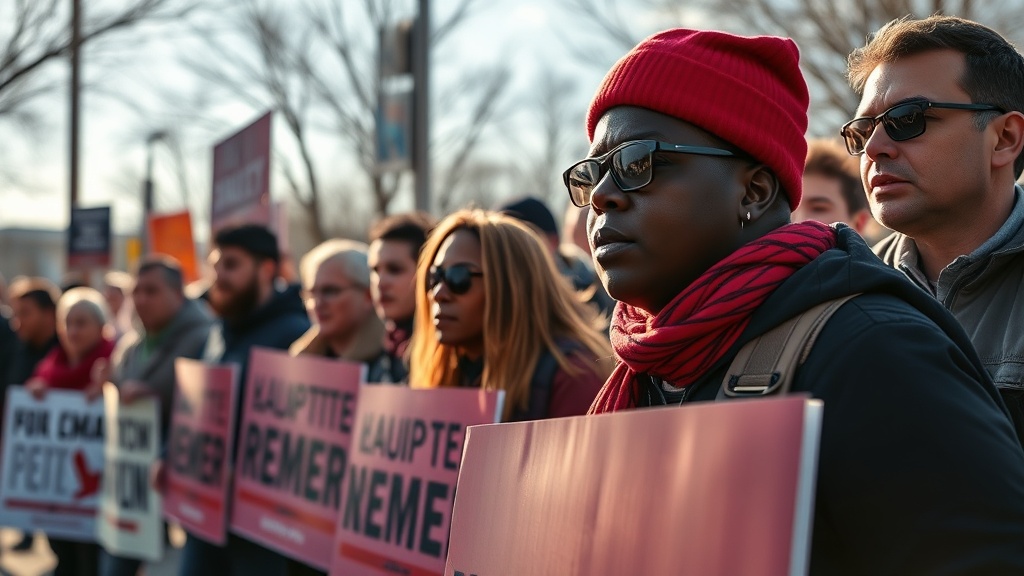
A grassroots initiative is gaining momentum in Salt Lake County as local residents mobilize to challenge a proposed property tax increase that officials say is necessary to support essential services. The movement, spearheaded by community members concerned about the financial burden of increased taxes, is actively collecting signatures to force a referendum on the matter. This push raises questions about fiscal policy, community priorities, and the ongoing debate over taxation in the region.
At the heart of the referendum effort is a coalition of residents who believe that the proposed tax hike, which is expected to generate millions in revenue for the county, disproportionately impacts low- and middle-income families. They argue that while the county’s budgetary needs are legitimate, a tax increase is not the most equitable solution. "We understand that there are financial needs that must be addressed, but we believe there are better ways to manage the county’s budget without placing a heavier burden on families," said Sarah Johnson, a leader of the grassroots campaign.
The proposed tax hike, put forth by Salt Lake County officials, is aimed at funding critical services, including public safety, infrastructure maintenance, and community programs. According to county estimates, the increase would raise property taxes by approximately 15%, which translates into hundreds of dollars more per year for the average homeowner. County Mayor Jenny Wilson has emphasized the necessity of these funds, stating, "This tax increase is essential for maintaining the level of services that our residents expect and deserve. Without it, we risk losing vital programs that support our community’s well-being."
The grassroots group, dubbed No Tax SLCo, has set an ambitious goal of collecting at least 20,000 signatures from registered voters within the county to place the tax issue on the ballot. Organizers have set up a series of events across the county, including community forums and door-to-door canvassing, to raise awareness and encourage participation. "We want to empower residents to make their voices heard. This is about giving them a choice in how their tax dollars are spent," explained Johnson.
As of this week, the group reports that they have already gathered over 10,000 signatures, demonstrating considerable support for their cause. However, the campaign is not without its challenges. They face a tight deadline, as signatures must be submitted by a specific date to qualify for the upcoming election cycle. Additionally, they contend with opposition from county officials who argue that the tax increase is necessary for the county’s long-term financial health.
Critics of the referendum effort are concerned that halting the tax increase could lead to cuts in essential services. County officials have warned that without the additional revenue, programs that support vulnerable populations could face significant reductions. "We are in a difficult position, balancing the needs of our community while also being sensitive to the financial realities of our residents. We hope that the public can see the bigger picture," said County Council Chair, Mike Acker.
In the backdrop of this ongoing debate, many residents are voicing their opinions on the tax hike. Some support the increase, citing the need for better public services, especially in the wake of the COVID-19 pandemic, which has strained local resources. Others, however, are wary of any tax increases, reflecting a broader national conversation about taxation and government spending.
The implications of the referendum could extend beyond Salt Lake County, as other municipalities in Utah observe this situation closely. If the grassroots campaign is successful, it may inspire similar movements in other areas, particularly in a state where tax policy is a contentious issue. Moreover, the outcome could set a precedent for how local governments approach funding for essential services in the future.
As the deadline for signature collection approaches, both supporters and opponents of the tax hike are ramping up their efforts. Residents are encouraged to participate in the democratic process, whether by signing the petition or engaging in discussions about the implications of the proposed tax increase. The outcome of this referendum could significantly shape the future of Salt Lake County's fiscal policy and its approach to community funding.
In conclusion, the grassroots effort to challenge Salt Lake County’s planned property tax increase reflects a growing sentiment among residents who are eager to have a say in local governance. As the campaign continues to gather support, the county's leadership will need to navigate the complexities of community needs and fiscal responsibility, ensuring that the voices of all residents are heard in this critical decision-making process.