GOP Senators Highlight Immigration Enforcement Boost at U.S.-Mexico Border
Senate Majority Leader John Thune and GOP senators advocate for increased immigration enforcement, highlighting recent funding and hiring efforts.

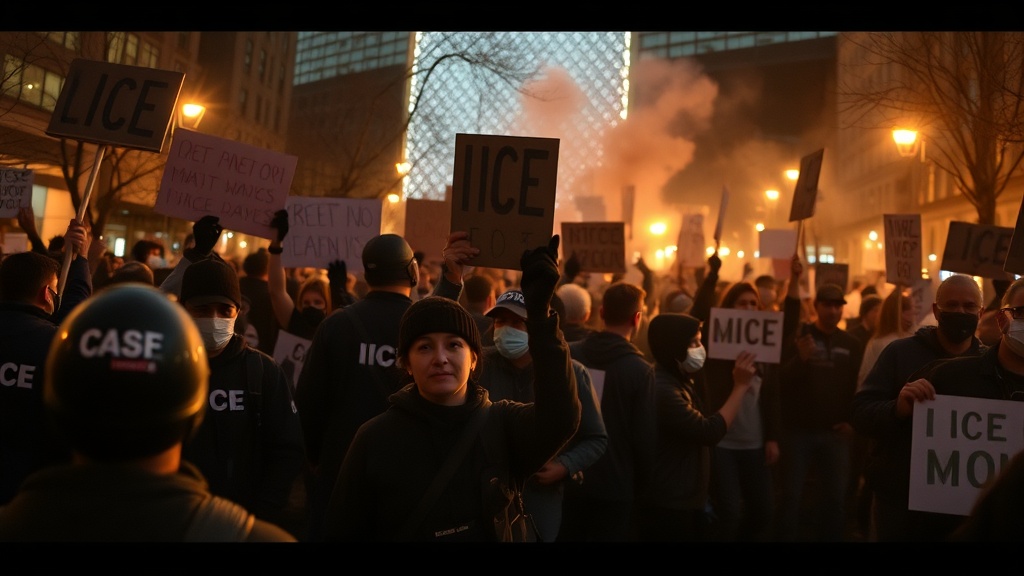
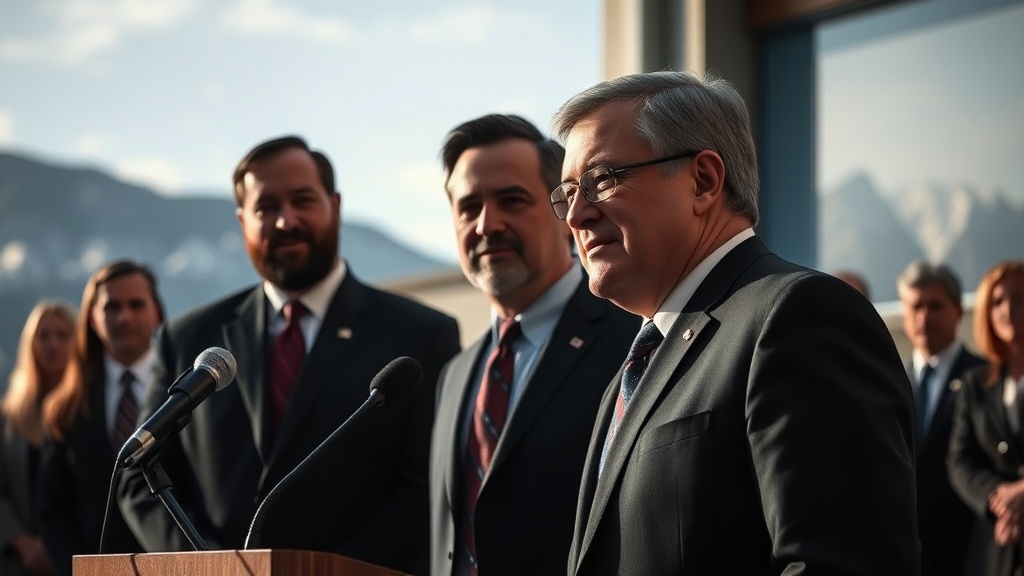
In a significant display of support for enhanced immigration enforcement, Senate Majority Leader John Thune, alongside several Republican senators, convened a press conference at the U.S.-Mexico border in McAllen, Texas on Friday. The event underscored the recent tax cuts and spending package passed by Congress, which allocated billions for bolstering immigration enforcement efforts. The backdrop of the press conference was marked by recent high-profile incidents involving federal agents, including the fatal shooting of a woman by an immigration officer in Minneapolis and an incident involving the Border Patrol in Portland, Oregon, raising concerns about the conduct of immigration enforcement agencies.
During the press conference, Thune emphasized the government's efforts to strengthen border security through increased hiring of immigration enforcement personnel. The tax cuts enacted last summer have reportedly allowed for significant investments in the hiring of U.S. Customs and Border Protection (CBP) officers and U.S. Immigration and Customs Enforcement (ICE) agents, contributing to what Thune described as a necessary “reinforcement” at the border. As outlined in the GOP-passed bill, $4.1 billion is set to fund the hiring of 5,000 new customs officers and 3,000 Border Patrol agents over the next four years. This hiring surge is part of a broader strategy to address immigration challenges and enhance the effectiveness of enforcement measures.
Notably, the ICE agency announced on January 3 that it had successfully onboarded 12,000 new officers, more than doubling its workforce from 10,000 to 22,000 agents, with plans for further recruitment in the near future. This expansion reflects a concerted effort to bolster the ranks of immigration enforcement personnel amid ongoing challenges at the southern border.
Thune pointed to recent data from Customs and Border Protection, indicating a notable slowdown in migration at the southern border, with total apprehensions dropping to 7,350 in November, the latest month for which data is available. Against this backdrop, Thune suggested that it was time for President Donald Trump to pivot towards immigration reform, asserting that the president is uniquely positioned to lead such an initiative. "We are a nation of immigrants, but we’re also a nation of laws, and we have to make sure we’re enforcing our laws," Thune remarked, emphasizing the need for a balanced approach to immigration policy that prioritizes legal pathways.
The Trump administration has maintained a firm stance on immigration enforcement, continuing aggressive mass deportation efforts and aiming to revoke the legal status of over 1.5 million immigrants since taking office. The administration's approach has drawn both praise and criticism from various sectors of society, reflecting the contentious nature of immigration policy in the United States.
Further reinforcing the GOP's commitment to border security, Thune highlighted the provisions within the One Big Beautiful Bill, which allocated significant resources for both physical and technological infrastructure at the border. This includes funding for wall construction, surveillance technology, and counter-drone measures designed to enhance the operational capabilities of the Border Patrol. Thune stated, "As a result of the passage of the One Big, Beautiful Bill, we got more resources down here for not only physical infrastructure but for technology that enables Border Patrol to do their job more effectively."
Joining Thune at the press conference were other prominent Republican figures, including Senate Whip John Barrasso of Wyoming and Senators John Cornyn of Texas, Ashley Moody of Florida, Jon Husted of Ohio, Mike Rounds of South Dakota, and Pete Ricketts of Nebraska. Each senator echoed Thune's sentiments regarding the importance of bolstering border security and the transformation of the southern border under the Trump administration. Rounds emphasized the concept that no nation can claim superpower status if it cannot effectively defend its own borders, further highlighting the GOP's focus on national security.
Senator Cornyn also addressed financial implications of the legislation, noting that states bordering Mexico would be reimbursed up to $13.5 billion for their expenditures on immigration enforcement, with Texas set to receive approximately $11 billion. This financial support is expected to relieve some of the burden on state resources while enhancing local enforcement capabilities.
As the political landscape continues to evolve, the ongoing discussions around immigration reform and enforcement underscore the complex and often divisive nature of this critical issue. The GOP's push for enhanced border security reflects broader national concerns about immigration and the enforcement of existing laws, setting the stage for continued debate in Congress and beyond. With the administration signaling a commitment to both enforcement and reform, the future of U.S. immigration policy remains uncertain, with significant implications for millions of individuals and families navigating the immigration system.