Ensuring Access to Physical Therapy for Utah's Rural Workforce
Utah faces significant healthcare access challenges, especially in rural areas, affecting residents' well-being and productivity.

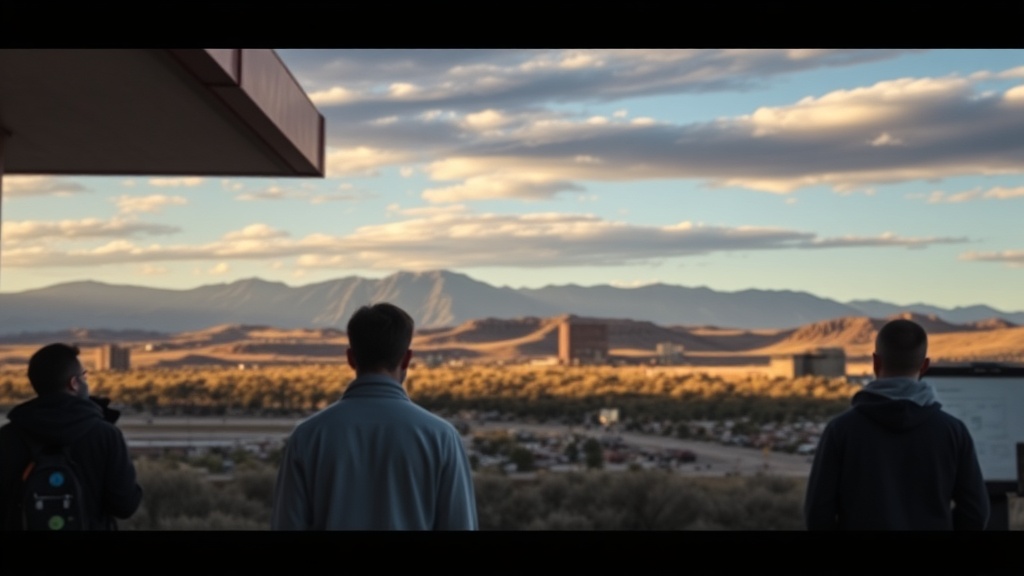
In Utah, a state known for its stunning landscapes and vibrant communities, a pressing issue is emerging that highlights the challenges faced by residents, particularly those living in rural areas. Access to essential healthcare services, such as physical therapy, is becoming increasingly difficult for many, leading to dire consequences for individuals' health and well-being. This issue came to light recently when a patient, who had been receiving physical therapy for chronic shoulder pain, stopped attending sessions due to financial constraints associated with transportation. The distance from her rural town to the nearest clinic, coupled with rising gas prices, made the cost of obtaining care prohibitively expensive. This situation reflects a broader trend affecting many rural Utahns, where the intersection of geography, economics, and healthcare access creates significant barriers to treatment.
The patient, who wishes to remain anonymous, returned to the clinic weeks later, visibly distressed and in considerable pain. Her shoulder condition had worsened to the extent that she could no longer lift it above her chest. This deterioration not only affected her physical capabilities but also her quality of life, hindering her ability to perform daily tasks and participate in activities she once enjoyed. "It’s frustrating to see someone come back in so much worse off than when they left because they simply couldn’t afford to get here," said her physical therapist, who has been practicing in rural Utah for over a decade.
The issue of access to physical therapy is not isolated; it is indicative of a larger healthcare crisis in rural America. According to the American Physical Therapy Association, approximately 27 million Americans live in areas designated as Physical Therapy Health Professional Shortage Areas. In Utah, this shortage is particularly acute in rural communities, where the number of practicing physical therapists is significantly lower than in urban settings. Many residents must travel long distances to access care, and for some, the financial burden of transportation can deter them from seeking necessary treatment altogether.
In response to these challenges, various stakeholders are advocating for solutions to improve access to healthcare services for rural populations. Telehealth has emerged as a potential remedy, allowing patients to receive consultations and follow-up care from the comfort of their homes. However, while telehealth can alleviate some barriers, it is not a panacea. Many rural Utahns still lack reliable internet access, and for certain physical therapy modalities, in-person visits remain essential for effective treatment.
Additionally, state lawmakers are beginning to recognize the critical need for improved healthcare infrastructure in rural areas. Recent discussions in the Utah State Legislature have focused on the importance of incentivizing healthcare professionals to work in rural communities. Proposals include loan forgiveness programs for medical professionals who commit to serving in underserved areas and funding for mobile health clinics that can travel to remote locations. These initiatives aim to bridge the gap between urban and rural healthcare access, ensuring that all Utahns can receive the care they need regardless of their geographic location.
Community organizations are also stepping up to address these challenges. Local non-profits are working to raise awareness about the importance of physical therapy and the resources available to assist individuals in accessing care. Some organizations are even coordinating carpools to help patients reach their appointments, demonstrating the community's commitment to ensuring that residents receive essential healthcare services.
The implications of inadequate access to physical therapy extend beyond individual health outcomes; they impact the overall economic stability of communities. When residents are unable to manage their pain or recover from injuries, their productivity decreases, which can lead to absenteeism in the workplace and a decline in the local economy. Furthermore, untreated conditions can escalate into more severe health issues, resulting in higher healthcare costs that burden both families and the healthcare system.
As Utah continues to grow and evolve, it is imperative that state leaders prioritize the accessibility of healthcare services, particularly for rural populations. Ensuring that all residents have the opportunity to receive physical therapy is not just a matter of health; it is a reflection of the values of independence and self-sufficiency that Utah prides itself on. By investing in sustainable solutions and fostering a healthcare environment that supports all communities, Utah can uphold its commitment to the well-being of its residents, ensuring that no one is left behind due to geographical or financial barriers.
In conclusion, the story of one patient’s struggle with accessing physical therapy serves as a poignant reminder of the broader systemic issues facing rural healthcare in Utah. Addressing these challenges will require a collaborative effort from lawmakers, healthcare providers, and community organizations to create a more equitable healthcare landscape. Only by coming together can we ensure that all Utahns, regardless of where they live, have access to the care they need to lead healthy and productive lives.