FBI Searches Home of Washington Post Reporter in Classified Documents Investigation
The FBI searched the home of Washington Post reporter Hannah Natanson as part of a classified documents investigation related to Trump.
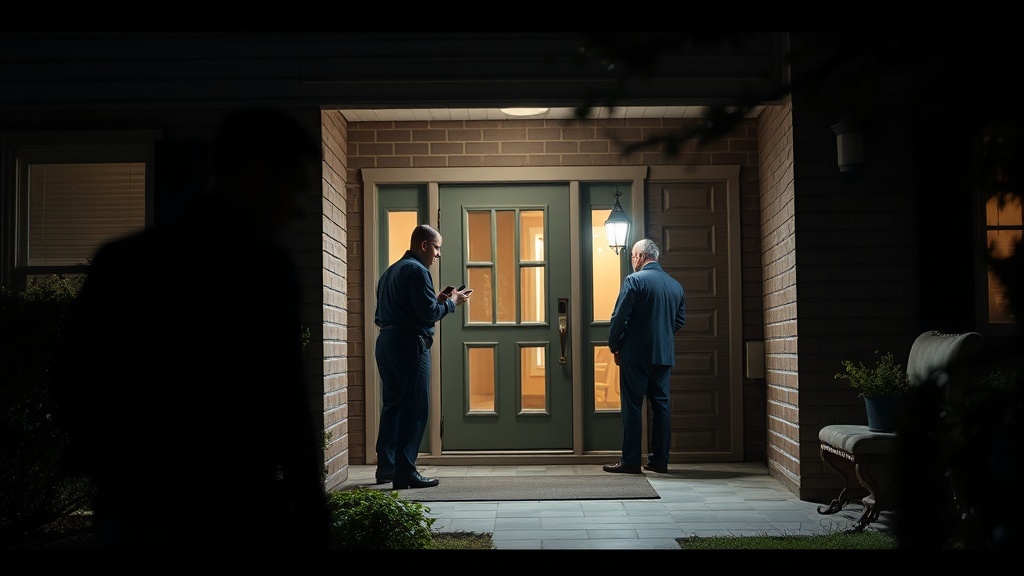
In a significant development in the ongoing investigation into the leaking of classified government documents, the FBI executed a search warrant at the home of Washington Post reporter Hannah Natanson. The search, which occurred earlier this week, is believed to be connected to an investigation surrounding sensitive information related to former President Donald Trump's initiatives aimed at reducing the size of the federal government. This incident has raised concerns about press freedoms and the implications of such government actions on journalism in the United States.
Hannah Natanson, who has been with the Washington Post for several years, has reported extensively on various political issues, including the inner workings of the federal government. Her investigative pieces have often delved into policies and actions taken during the Trump administration. The FBI’s action is part of a broader inquiry into how classified information has been handled and disseminated, particularly in the wake of the Trump administration's controversial policies.
Sources familiar with the investigation have indicated that the FBI is looking into the sources of leaked documents that could potentially compromise national security. These documents are believed to pertain to Trump's efforts to cut down on government programs and streamline federal operations, initiatives that have faced criticism from various quarters. The investigation reportedly aims to trace the origins of these leaks and determine whether any laws were violated in the process.
The search warrant executed at Natanson's residence is a rare and contentious move against a member of the press. Legal experts have expressed deep concern over the implications of such actions, arguing that they could set a dangerous precedent for the treatment of journalists in the United States. "This is an alarming development that threatens the very fabric of journalistic integrity and freedom," said David C. Bickel, a First Amendment lawyer. "Journalists play a crucial role in holding the government accountable, and any action that intimidates reporters can have a chilling effect on free speech."
In response to the search, the Washington Post has issued a statement expressing its commitment to protecting the rights of its journalists. The statement underscores the importance of a free press in a democratic society and the need for transparency from government authorities. "We are deeply concerned about the implications of this search and are committed to supporting our reporters as they pursue their vital work," the statement read.
The investigation appears to be part of a larger trend wherein journalists have faced scrutiny for their reporting on government activities, particularly regarding classified materials. In recent years, there have been several notable cases where reporters have been subpoenaed or had their records investigated as part of governmental inquiries. This has led to increased debates among lawmakers, civil rights groups, and media organizations about the balance between national security and the freedom of the press.
Legal analysts suggest that the FBI's search of Natanson's home may also be connected to a broader examination of the media's role in reporting classified information. "While the government has a right to investigate leaks that may jeopardize national security, there must be a careful consideration of how these investigations impact journalistic practices," noted Laura Mitchell, a media law expert. "The press is essential for informing the public, and undue pressure can undermine that function."
As the investigation unfolds, it is unclear what specific evidence the FBI is seeking or whether Natanson herself is considered a target in the inquiry. The agency has not publicly commented on the details of the search or the broader investigation, adhering to standard practices regarding ongoing probes. However, the situation has sparked discussions within the media community about the ethical responsibilities of journalists, especially when dealing with sensitive or classified information.
The ramifications of this incident could extend beyond just Natanson and the Washington Post, potentially impacting how journalists approach reporting on government actions. In an era where information is pivotal to public discourse, the tension between journalistic inquiry and government secrecy continues to be a pressing issue. As the investigation continues, it will be crucial to monitor how this situation develops and what it means for the future of investigative journalism in America.
In conclusion, the FBI's search of Hannah Natanson's home marks a pivotal moment in the ongoing dialogue about press freedom and government transparency. As the lines between national security and the public's right to know become increasingly blurred, the implications of this case could resonate throughout the media landscape for years to come. The Washington Post, along with other media organizations, will likely watch this case closely, as it sets a precedent for the delicate balance between information access and governmental authority.