Analysis of the Deadly ICE Shooting in Minneapolis by Retired Utah Officer
A retired Utah officer provides analysis on the deadly ICE shooting in Minneapolis, highlighting law enforcement tactics and community impact.

In a tragic incident that has drawn national attention, a shooting involving U.S. Immigration and Customs Enforcement (ICE) agents occurred in Minneapolis, resulting in the death of one individual. The shooting was part of a broader operation targeting undocumented immigrants, raising questions about law enforcement tactics and community safety. To gain deeper insight into the incident, ABC4 spoke with retired Utah police officer and shooting analyst, John Smith, who shared his expertise and perspective on the unfolding events.
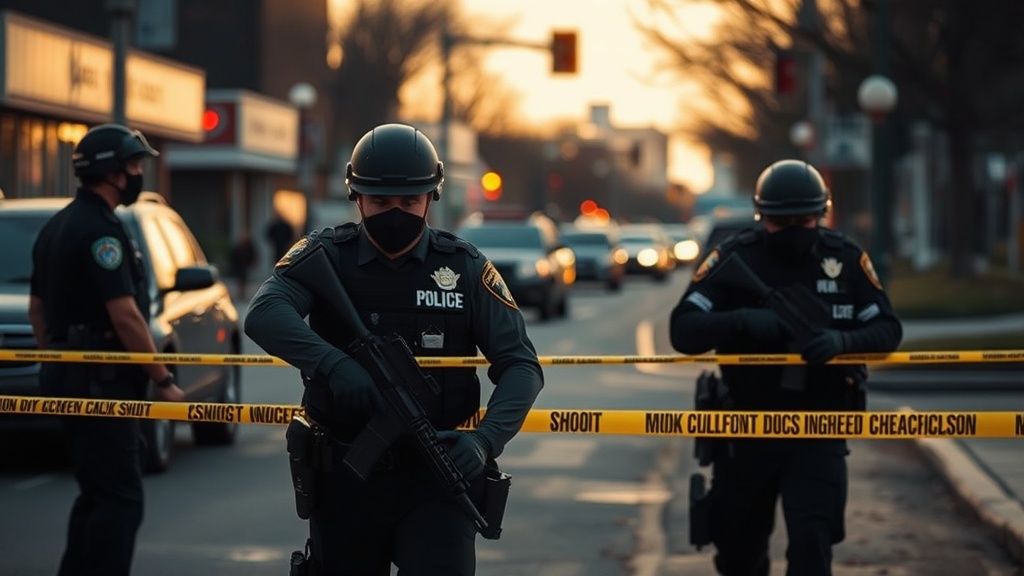
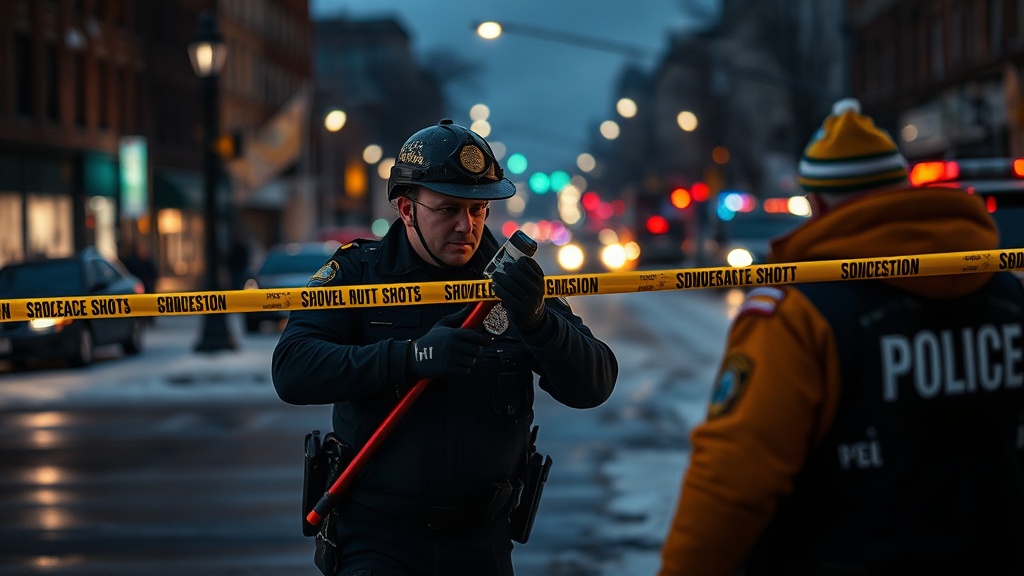
The incident took place on a Wednesday morning when ICE agents attempted to apprehend a suspect believed to be in violation of immigration laws. According to reports, the operation escalated quickly, leading to a confrontation that resulted in gunfire. Witnesses described the scene as chaotic, with a flurry of police activity and an overwhelming sense of urgency. Eyewitness accounts revealed that several shots were fired, leaving bystanders in shock and raising urgent questions about the tactics employed by ICE agents during such operations.
Retired officer John Smith emphasized the high-stakes nature of such operations and the split-second decisions law enforcement officers must make. "When agents are faced with a potentially dangerous suspect, they have to assess the situation rapidly. The adrenaline is pumping, and the safety of everyone involved can hinge on a single moment," Smith explained. He noted that while the use of force is always a last resort, agents are trained to respond decisively when they believe lives are at risk.
The identity of the deceased has not yet been released, but preliminary reports indicate that the individual was allegedly armed at the time of the encounter. This detail underscores the complexities surrounding law enforcement operations targeting undocumented immigrants, as they can quickly escalate into violent confrontations. Smith added, "In these scenarios, the agents must evaluate not only the immediate threat but also the potential for collateral damage. It’s a delicate balance between enforcing the law and protecting the public."
Community reactions have been mixed, with some residents expressing outrage over the incident, while others voiced support for the enforcement of immigration laws. Local activist Maria Gonzalez, who has been vocal about immigrant rights, described the shooting as a tragic outcome of aggressive enforcement tactics. "It’s heartbreaking to see lives lost in these operations. We need to find ways to address immigration issues without resorting to violence," she stated. Gonzalez is part of a larger movement advocating for reforms in how immigration laws are enforced, particularly in communities with high immigrant populations.
On the other hand, support for ICE operations remains strong among certain groups who argue that strict enforcement is necessary for public safety. Local business owner Tom Jenkins argued that undocumented immigrants can pose a risk to community security. "We need to ensure that our laws are upheld. It’s not about being anti-immigrant; it’s about being pro-law enforcement. We cannot have a safe community without enforcing our laws," Jenkins said.
The shooting has raised questions about the training and protocols in place for ICE agents. Smith pointed out that while officers undergo extensive training, there can still be gaps in how situations are handled on the ground. "Every situation is unique, and training is always evolving, but the reality is that not every scenario can be perfectly anticipated," he noted. This incident may prompt a reevaluation of current training protocols and operational procedures within ICE, especially in urban environments where interactions with the community can be more complex.
As investigations into the shooting continue, the Minneapolis Police Department has stated that they will conduct a thorough review of the events leading up to the incident. This review will include an analysis of the tactics used by ICE agents and whether their actions were in line with established protocols. Community leaders have called for transparency in the investigation, urging authorities to provide a clear account of what transpired.
In conclusion, the ICE shooting in Minneapolis serves as a stark reminder of the tensions surrounding immigration enforcement in the United States. As communities grapple with the implications of such incidents, the need for a balanced approach to immigration policy and law enforcement has never been more critical. Retired officer John Smith’s analysis highlights the complexity of police work in high-stress situations and raises important questions about the future of immigration enforcement and its impact on community relations. As more details emerge, the hope is that lessons will be learned to prevent future tragedies and foster a safer environment for all residents, regardless of their immigration status.