Federal Officer Shoots Individual in Minneapolis Amid Immigration Crackdown
A federal officer shot an individual in Minneapolis during an arrest attempt, escalating tensions surrounding immigration enforcement.
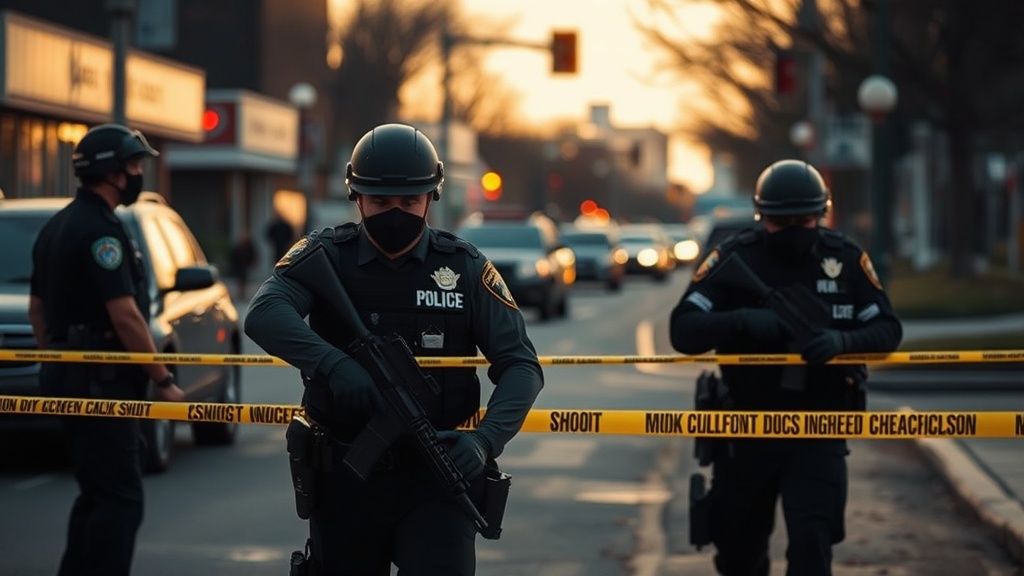
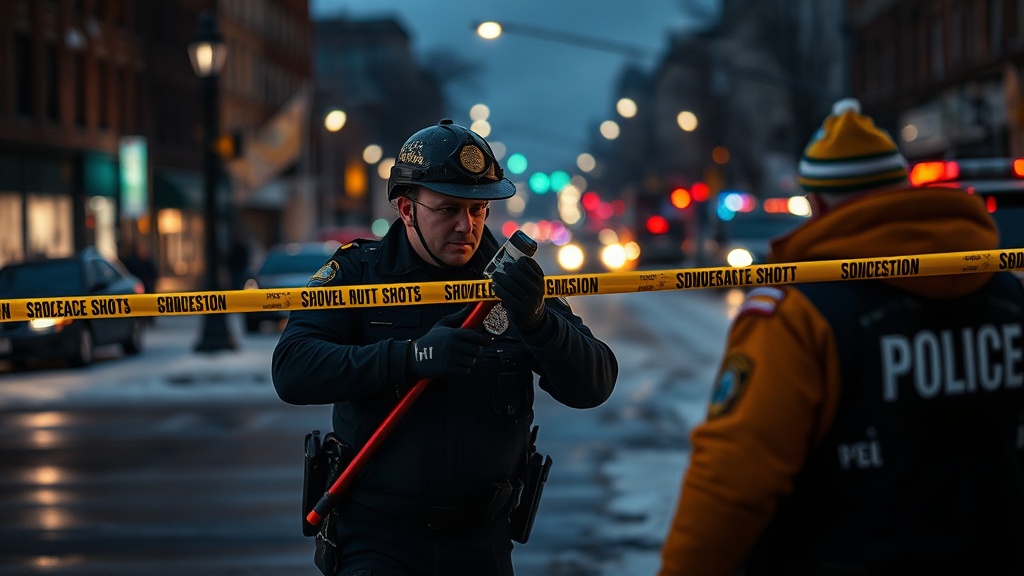
In a troubling incident that highlights tensions surrounding immigration enforcement in Minneapolis, a federal officer shot an individual in the leg on Wednesday. The shooting occurred during an arrest attempt when the officer was reportedly attacked with a shovel. The details of the incident remain preliminary as investigations are ongoing, according to a source who spoke to The Associated Press on the condition of anonymity.
The shooting took place approximately 4.5 miles north of the site where immigration agent Renee Good was fatally shot in January as she attempted to flee in her vehicle. This earlier incident has fueled ongoing protests and unrest in the city, as community members express their outrage over aggressive law enforcement tactics. The area surrounding the shooting was soon engulfed in chaos, with a large contingent of federal agents and Minneapolis Police deploying tear gas to disperse crowds that gathered nearby.
In a statement on social media platform X, the city of Minneapolis acknowledged reports of the shooting involving federal agents and indicated that efforts were underway to gather additional information. The atmosphere in the city has become increasingly charged, as clashes between law enforcement and community members have escalated, particularly in light of the recent immigration enforcement surge.
Earlier on the day of the shooting, a judge had granted the Trump administration additional time to respond to a request for a pause on its controversial immigration enforcement operations in Minnesota. This request comes amid heightened scrutiny of federal tactics, including the use of tear gas against protesters and aggressive detainment practices that have drawn widespread criticism from local leaders and civil rights advocates.
"What we need most of all right now is a pause. The temperature needs to be lowered," stated Brian Carter, Minnesota's Assistant Attorney General, during a hearing related to a lawsuit filed against the federal government by the state and the cities of Minneapolis and St. Paul. Local officials argue that the federal government's actions are infringing upon constitutional rights, including free speech.
U.S. District Judge Katherine Menendez has expressed a commitment to keep this case at the forefront of legal discussions, ordering the Justice Department to provide a formal response by Monday. During this time, she is also presiding over a separate lawsuit challenging the tactics employed by Immigration and Customs Enforcement (ICE) and other federal agents when interacting with protesters and bystanders.
In a televised address later that evening, Minnesota Governor Tim Walz described the situation in the state as chaotic, asserting that what is occurring is no longer merely an immigration enforcement matter but rather a campaign of organized brutality against residents. Walz emphasized the importance of accountability through the judicial system, signaling that significant changes may be forthcoming.
The Department of Homeland Security has reported over 2,000 arrests in Minnesota since December as part of its intensified enforcement strategies. In a move that raises eyebrows, the Pentagon is preparing to deploy military lawyers to Minneapolis to assist with ongoing law enforcement efforts. According to reports, Defense Secretary Pete Hegseth is requesting military branches to identify judge advocate general officers, with the intention of sending approximately 25 to act as special assistant U.S. attorneys in the city.
Concerns have surfaced regarding the implications of using military resources for civilian law enforcement, particularly given the already strained legal resources within the military. Mark Nevitt, an associate professor at Emory University School of Law and former Navy JAG, highlighted the potential impact on the military justice system, noting that there are limited JAG officers available to support the vast needs of military personnel.
The incident involving the shooting of Renee Good continues to resonate throughout the community. The family of Good has retained legal representation from the firm Romanucci & Blandin, known for its work in high-profile civil rights cases, including the settlement with George Floyd's family. The firm has publicly stated that they plan to conduct an independent investigation into her death and have expressed a desire for Good's legacy to be one of peace rather than political exploitation.
In response to the ongoing turmoil, hundreds of students across Minnesota have staged protests against ICE operations, demonstrating their solidarity with marginalized communities affected by federal enforcement actions. As the University of Minnesota prepares for the upcoming academic term, President Rebecca Cunningham has acknowledged the climate of unrest and violence that has directly impacted the campus community, indicating potential adjustments for students to adapt to the current environment.
As investigations continue and community responses evolve, the implications of this shooting will likely reverberate through Minneapolis and beyond, drawing attention to the lasting effects of federal immigration policies on local communities. The escalating tensions underscore the urgent need for dialogue and reform in how immigration enforcement is conducted, as well as the broader implications for civil rights in America.