Exploring the Early Years of Jesus Through Medieval Christian Lore
While the Bible offers little on Jesus' childhood, medieval tales enrich understanding of his early years.
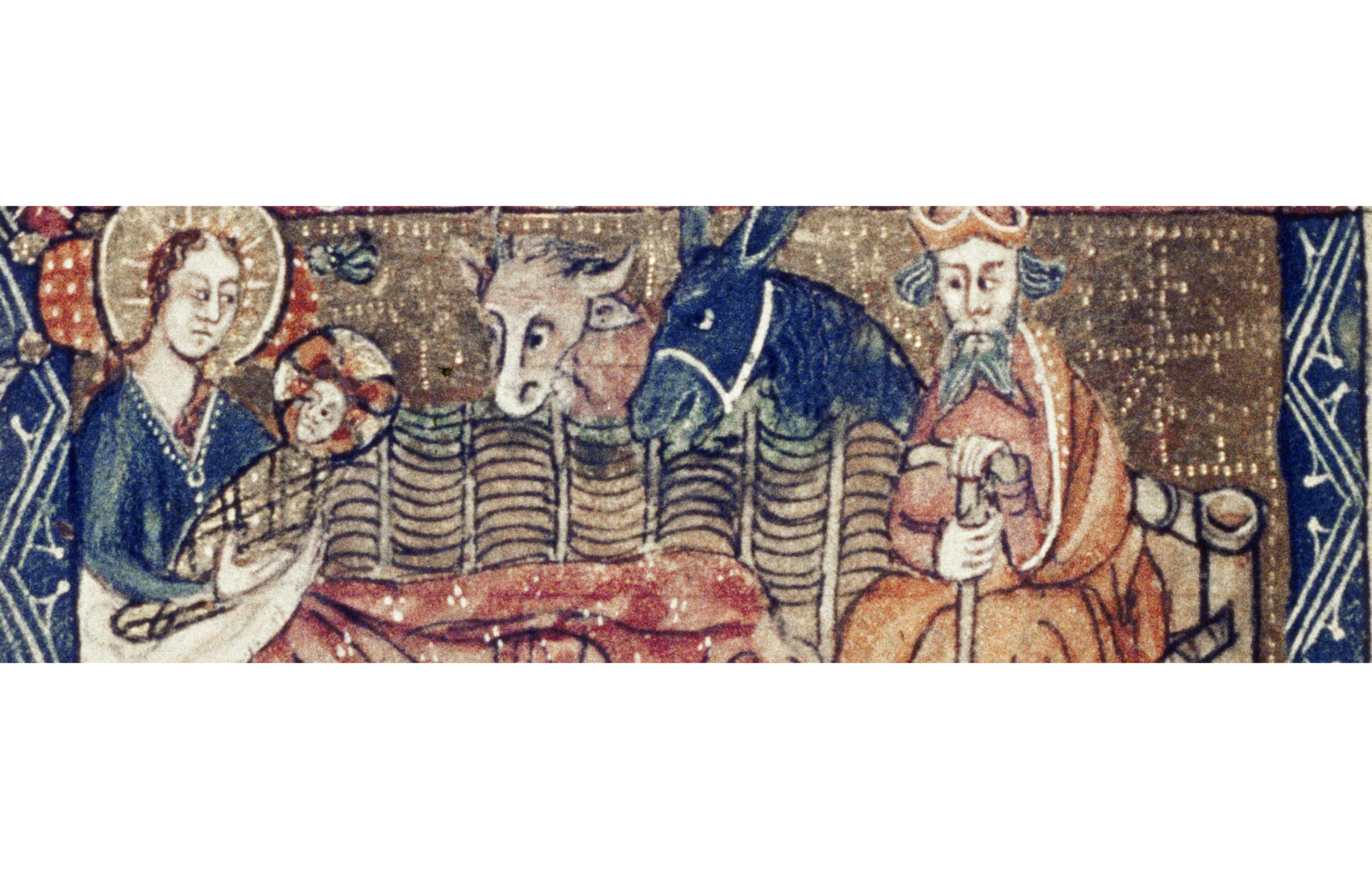
The nativity scenes commonly seen during the Christmas season often include an ox and a donkey alongside the infant Jesus. This depiction aligns with the account in the Gospel of Luke, which states that Mary laid her baby in a manger, a feeding trough for animals, due to a lack of accommodation in the inn. While the Bible provides limited details regarding Jesus' early years, medieval Christians filled this gap with imaginative stories. These tales often portrayed Jesus as a holy child engaged in mischievous yet miraculous activities. One popular narrative describes him creating birds from clay and then bringing them to life, showcasing his divine nature even in childhood. Such stories served to deepen the faith and understanding of believers, emphasizing the miraculous aspects of Jesus' life from the very beginning. The lack of biblical specifics about Jesus' youth did not deter the creativity of medieval storytellers. Instead, they embraced the opportunity to craft rich narratives that highlighted the significance of Jesus' early life. These narratives were not only entertaining but also served to teach moral lessons and reinforce the divine characteristics attributed to Jesus. Through these stories, medieval Christians were able to connect with the figure of Jesus on a personal level, imagining him as a child who, despite his divine origins, experienced the joys and trials of youth. This tradition of storytelling about Jesus' childhood continued to influence Christian art and literature over the centuries, shaping the way believers perceive his early life. The combination of biblical text and imaginative storytelling has allowed for a vibrant exploration of Jesus' childhood, reflecting the enduring impact of these narratives in Christian culture.