Exciting Discoveries: New Dinosaur Fossils Unearthed at Dinosaur National Monument
New dinosaur fossils have been discovered during a construction project at Dinosaur National Monument, revealing more about ancient ecosystems.
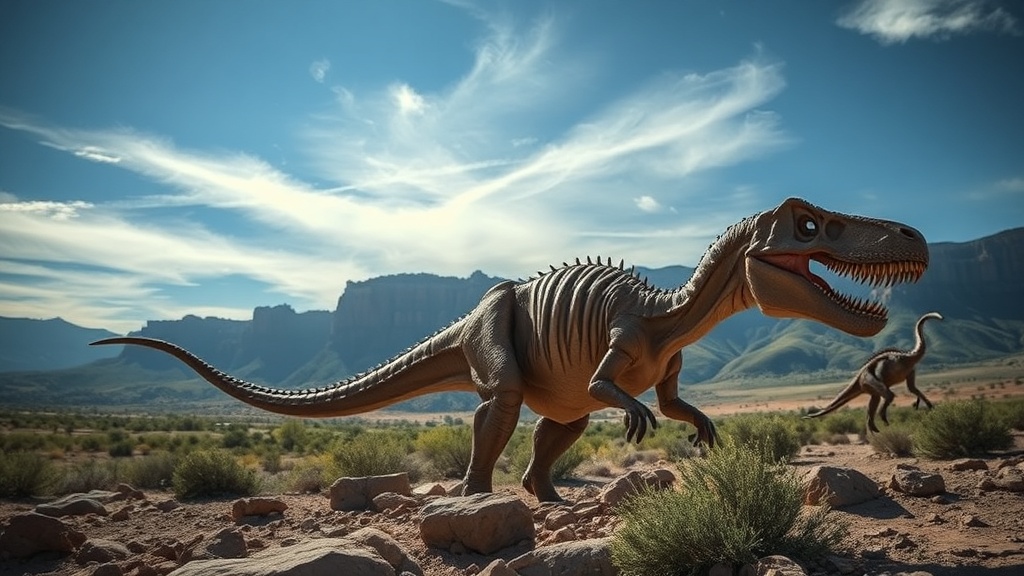
In a remarkable development for paleontology, a team of scientists and excavation crews has successfully unearthed new dinosaur fossils at Dinosaur National Monument in Utah. This significant discovery, made during a parking lot construction project, not only adds to the existing body of knowledge about dinosaurs but also highlights the importance of ongoing research and conservation efforts in this unique area.
Dinosaur National Monument, located on the border of Utah and Colorado, is known for its rich fossil beds, which have been the subject of scientific study for decades. The recent excavation occurred when construction crews were preparing to expand the parking facilities for the monument's visitors. As they began their work, they encountered fossil remains embedded in the rock, prompting immediate intervention by paleontologists from the nearby museum and university.
Dr. Emily Harris, a lead paleontologist involved in the excavation, expressed her excitement over the find. "We were initially concerned that the construction would compromise the fossils, but the crews acted responsibly and alerted us immediately when they discovered the remains," she stated. "This area has been a treasure trove of fossilized remains for years, and every new find helps us piece together the story of these magnificent creatures that roamed the Earth millions of years ago."
The excavation team worked diligently over several days to carefully extract the fossils from their rocky matrix. Preliminary examinations indicate that the remains could belong to several different species of dinosaurs, including large herbivores that thrived during the Jurassic period. This era, which spanned from approximately 145 to 201 million years ago, was marked by an abundance of plant life and the evolution of many dinosaur species.
In addition to the dinosaur bones, the excavation yielded several other interesting artifacts, including fossilized plants and small vertebrates. These findings provide vital context about the ecosystems that existed in the region during the Jurassic period. The presence of these diverse fossils suggests that Dinosaur National Monument was once a lush environment, teeming with life.
The discovery has drawn attention not only from local media but also from the scientific community at large. Many experts believe that the new fossils could provide insights into the behavior, diet, and even social structures of these ancient creatures. Dr. Harris noted that ongoing research will focus on the analysis of the fossilized remains, which will include radiographic imaging and chemical testing to determine their age and species classification.
The implications of these findings extend beyond academia. Dinosaur National Monument is a significant tourist destination, attracting thousands of visitors each year who come to see the iconic quarry where over 1,500 dinosaur bones have been displayed since the 1950s. The new discoveries could enhance the monument's educational offerings, providing fresh material for interpretive programs and exhibitions designed to engage the public.
"Every time we make a new discovery, it creates excitement and curiosity among our visitors," said park ranger Tom Williams. "We strive to make the science accessible, and the addition of new fossils will help us tell an even richer story about the dinosaurs that once roamed this area."
The excavation process was carefully coordinated with construction timelines to minimize disruption to the ongoing parking lot project. While the excavation team worked to preserve the fossils, construction crews have been adapting their schedule to ensure that the monument continues to provide a safe and welcoming experience for visitors.
As the excavation continues, park officials are also taking steps to raise awareness about the importance of fossil preservation. They plan to implement new educational initiatives aimed at informing the public about the significance of the fossils found at Dinosaur National Monument and the need for responsible construction practices in areas rich with paleontological resources.
In conclusion, the recent discovery of new dinosaur fossils at Dinosaur National Monument underscores the importance of ongoing paleontological research and conservation efforts. As scientists continue to unlock the secrets of these ancient creatures, the findings will not only enrich our understanding of the past but also inspire future generations to appreciate the wonders of our planet’s history. With each new discovery, the legacy of these magnificent dinosaurs lives on, providing a tangible link to a time long before humans walked the Earth.