Discovering the Unique World of Wasatch Back Alpacas in Heber City
Explore Corrina Porter's Wasatch Back Alpacas farm in Heber City, where these charming creatures thrive and connect with visitors.
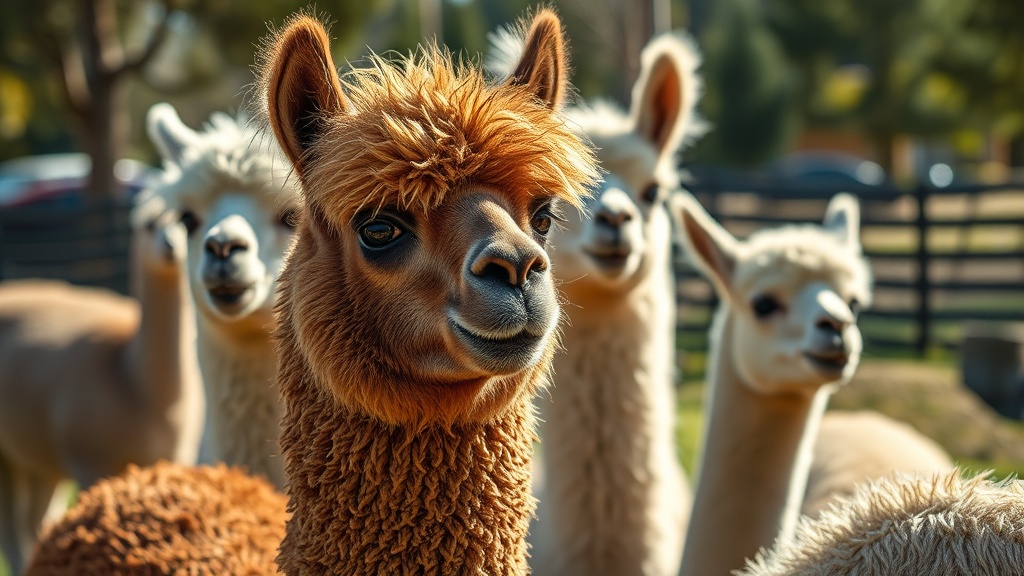
In the scenic landscapes of Heber City, Utah, lies a five-acre farm that transports visitors into an enchanting realm filled with soft, woolly creatures known as alpacas. The farm, owned by Corrina Porter, is home to approximately 37 alpacas, each with its own personality and quirks. From the moment visitors step onto Porter’s property, they are greeted by the gentle hum of the animals, their curious eyes observing every movement. These alpacas are not just pets but are central to Porter’s business, Wasatch Back Alpacas, which focuses on breeding, shearing, and selling these unique animals.
Porter’s journey with alpacas began in 2015, following a period of personal transition in which she sought a manageable farming venture after her divorce. Before alpacas, she had raised Navajo-Churro sheep as part of a project with Utah State University. "Alpacas are relatively easy to care for on my own," Porter explained, highlighting their amenable nature compared to other livestock. The alpacas are not just farm animals; they are companions that require careful handling and training. Porter emphasizes the importance of teaching them obedience from a young age. She recalled her first interaction with Pierre, a rambunctious alpaca who initially knocked her down, illustrating the challenges of handling an undisciplined animal.
Naming the alpacas is a thoughtful process for Porter. She names only those she chooses to keep, based on their temperament, health, and fiber quality. The fiber, which is a significant aspect of her business, is assessed for its fineness, length, crimp, and luster. Each spring, the alpacas undergo shearing, a process she likens to mowing grass, where each animal is groomed in a matter of minutes. The harvested wool is then sent to a mill for processing into yarn and roving, which Porter sells to fiber artists and craftspeople across Utah.
Among the various products made from the alpacas’ wool, socks are a standout favorite due to the material’s hypoallergenic properties and moisture-wicking capabilities. Buyers for her alpacas range from novice farmers to those looking to add unique animals to petting zoos or fiber farms. Porter sells male alpacas for prices ranging from $500 to $1,000, while females can command between $2,500 and $6,000, reflecting the animals’ breeding potential and fiber quality.
Porter is particularly cautious about selling her alpacas as pets. Although she acknowledges their cuteness, she warns that potential owners need to understand the responsibility involved in raising alpacas. These animals, native to the Andes Mountains, require a safe environment free of toxic plants and protection from predators. On her farm, this protection is provided by Gussie, Porter’s loyal Akbash and Great Pyrenees mix, who guards against threats like foxes and stray dogs.
The challenges of alpaca husbandry are compounded by a scarcity of veterinarians trained to care for them in Utah. Over her 11 years of experience, Porter has met only one other alpaca farmer in Wasatch County, who has since retired. She relies heavily on the guidance of the Intermountain West Alpaca Association (IMpaca), a closely-knit community that offers support and resources for alpaca owners.
Personal connections with the animals have deepened Porter’s commitment to their care. She has developed strong bonds with the alpacas, particularly with Blackjack, a young male with a heart murmur. Porter’s emotional attachment makes it difficult for her to consider eating alpaca, even though the meat is said to be lean and flavorful. "It would be hard to see even Pierre on my dinner plate," she confided.
In addition to her farming, Porter works as a child psychologist, where she integrates her love for animals into therapeutic practices by bringing dogs into her sessions. She believes that interactions with alpacas could also provide therapeutic benefits, although she has not yet explored this concept fully. For now, she offers farm tours, allowing visitors to connect with the gentle creatures while learning about their care and significance. In winter, guests can see the smaller alpacas bundled in their cozy coats, adding to the charm of the farm.
For those interested in a unique experience, tours can be scheduled through the Wasatch Back Alpacas website. As Porter continues to nurture her passion for alpacas, she remains dedicated to fostering a greater understanding and appreciation for these remarkable animals within the community.