BYU Students and Faculty Protest Customs and Border Patrol Job Fair Presence
BYU students and faculty protested against Customs and Border Patrol's presence at a job fair, highlighting concerns over immigration policies.
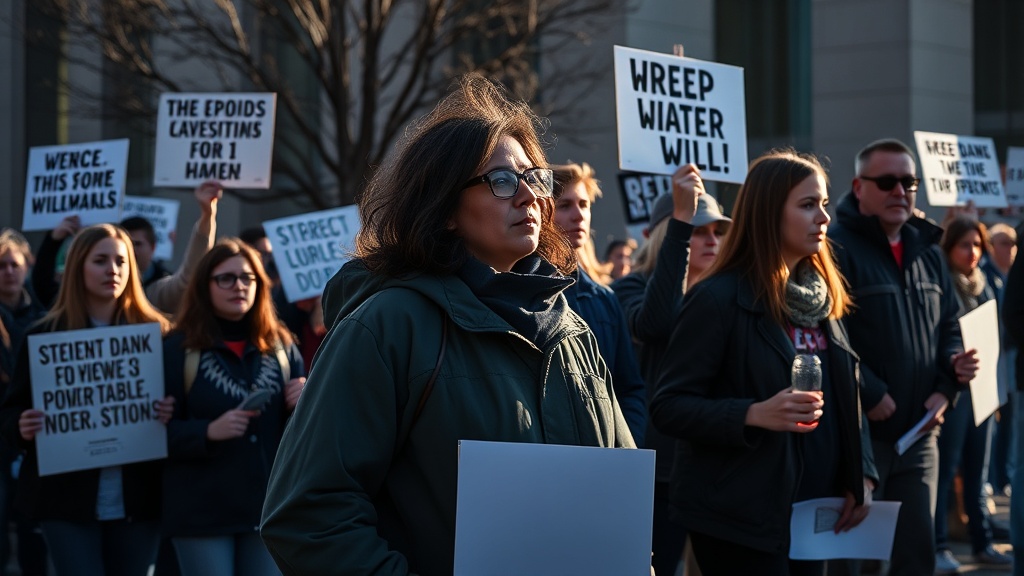
Protests erupted on Thursday near Brigham Young University (BYU) as dozens of students and faculty members gathered to voice their opposition to the presence of Customs and Border Patrol (CBP) recruiters during a scheduled job fair at the campus. The demonstration highlighted a growing tension surrounding immigration policies and the role of law enforcement agencies in educational environments.
The protest took place outside the Wilkinson Student Center, where the job fair was held. Many participants carried signs with messages such as "No Border Patrol on Campus" and "We Stand for Justice, Not Oppression." The atmosphere was charged, with chants filling the air as demonstrators expressed their concerns over what they perceive to be the implications of having a federal agency with a controversial reputation recruit at a university known for its focus on honor and ethics.
Among the demonstrators was Professor Matt Roper, a faculty member in the Department of Sociology. Roper spoke passionately about the need for universities to maintain a safe and inclusive environment for all students, particularly those from immigrant backgrounds. "Inviting organizations that are associated with aggressive enforcement of immigration laws sends a message that not all students are welcome here," he stated. Roper's remarks were echoed by many students who shared personal anecdotes about the fear and anxiety they experience related to immigration issues.
The job fair, organized by BYU’s Career Services, aimed to connect students with potential employers, including CBP, which has faced intense scrutiny in recent years over its treatment of migrants and its role in the enforcement of immigration laws. The agency has been criticized for its aggressive tactics, including the separation of families at the border and the conditions in detention facilities. Many protesters argued that allowing CBP to recruit at the university undermines the institution’s values and could alienate students who feel targeted by the agency's policies.
BYU administrators expressed their commitment to providing students with diverse career opportunities while also acknowledging the concerns raised by the protestors. In a statement released later in the day, the university highlighted its dedication to fostering a safe environment for all students. "We recognize that discussions surrounding immigration are complex and multifaceted. Our goal is to ensure that students have access to a wide range of employment options while respecting the diverse perspectives within our community," the statement read.
The demonstration was organized by a coalition of student groups, including the BYU chapter of the National Association for the Advancement of Colored People (NAACP) and the BYU Students for Social Justice. These organizations have been vocal advocates for marginalized communities on campus and have called for increased awareness around issues of social justice and equity in hiring practices.
Student leader Sofia Martinez, a member of the NAACP, expressed her frustration with the university’s decision to allow CBP recruiters on campus. "It feels like a betrayal to students who are affected by these policies. We have a right to feel safe, and bringing in an agency that has been involved in human rights abuses is not the way to achieve that," she said. Martinez emphasized the importance of creating an inclusive campus environment where all students can thrive without the fear of being targeted based on their immigration status.
The protest comes at a time when discussions around immigration policy are increasingly polarizing in the United States. With the Biden administration facing criticism from both sides of the political spectrum regarding its handling of immigration, the presence of CBP at a university job fair has become a flashpoint for broader conversations about justice, equity, and the role of law enforcement in society.
As protesters continued to rally outside, many expressed hopes that their actions would lead to meaningful conversations about the university's recruitment policies and the need for institutions of higher education to prioritize the safety and well-being of all students. Several participants shared their intentions to follow up with university administrators to advocate for changes that would prevent similar situations from occurring in the future.
In conclusion, the protest at BYU is not just a reflection of the students’ dissatisfaction with a job fair; it is part of a larger movement advocating for social justice and equity within educational institutions. As the conversation around immigration continues to evolve, students and faculty at BYU are making it clear that they will not shy away from voicing their concerns and advocating for a more inclusive environment on campus.