Archaeologists Document Vandalism at Utah's Historic Ghost Town Ruins
An archaeological team documents vandalism at Utah's historic ghost town, highlighting the urgent need to protect cultural heritage.
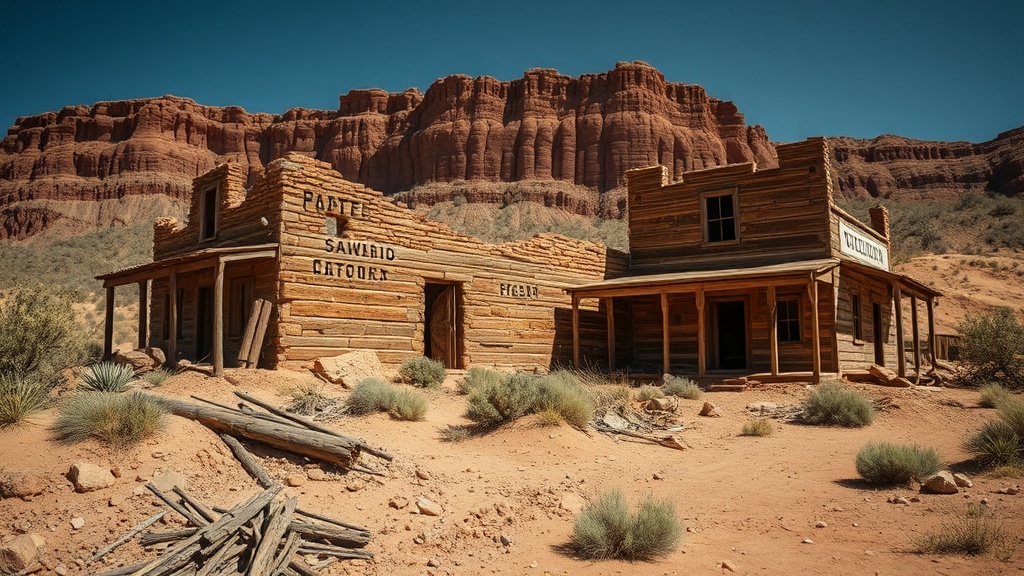
In a concerning trend that threatens the preservation of cultural heritage, a dedicated team of archaeologists from the Utah Division of State History embarked on a mission Tuesday to document the extensive vandalism inflicted on ancient petroglyphs and the remnants of an abandoned ghost town. This initiative is part of a broader effort to combat the increasing instances of artifact destruction and to raise awareness about the importance of protecting these irreplaceable historical sites.
The archaeologists, led by Dr. Emily Carter, arrived early in the morning at the site, which is nestled in the rugged terrain of Utah's desert landscape. "These petroglyphs date back over a thousand years, and they provide invaluable insights into the lives of the Indigenous peoples who once inhabited this region," Dr. Carter explained. The team was met with a disheartening sight: numerous carvings had been defaced with graffiti, while debris littered the area, suggesting a lack of respect for the site's historical significance.
The ghost town, once a bustling settlement during the mining boom of the late 19th century, has suffered not only from natural erosion but also from the reckless actions of visitors who fail to recognize the importance of the site. "It’s heartbreaking to see the damage caused by thoughtless vandalism. These artifacts are not just remnants of the past; they are part of our collective heritage and should be treated with respect," commented Dr. Carter as she carefully surveyed the area, documenting the destruction.
The archaeologists utilized a range of tools, including high-resolution cameras and GPS technology, to create an accurate record of the damage. This documentation will be crucial in developing strategies for restoration and future protection of the site. "By cataloging the vandalism, we can work with local authorities to implement better safeguards and possibly enhance educational outreach to inform the public about the significance of these sites," Dr. Carter noted.
The issue of vandalism at historical sites is not isolated to this ghost town. Across Utah and the broader southwestern United States, there has been a marked increase in incidents of defacement. According to recent reports, the state has seen a 30% rise in vandalism cases involving archaeological sites over the past two years. This alarming trend has prompted local governments and conservation groups to take action, including the installation of surveillance cameras and signage aimed at educating visitors about the importance of preservation.
Local resident and historian, Mark Jensen, expressed his frustration with the ongoing vandalism. "It’s not just about protecting these sites for future generations; it’s about honoring the stories they tell. Each petroglyph has a history, and when they’re destroyed, we lose a part of our heritage," he said. Jensen, who has spent years researching the history of the ghost town, emphasized the need for community involvement in protecting these valuable resources.
In response to the rising threat, the Utah Division of State History has initiated several programs aimed at both protecting and promoting awareness of historical sites. These programs include educational workshops for schools and community groups, as well as partnerships with local businesses to create stewardship opportunities. "We believe that by engaging the community and fostering a sense of ownership over these sites, we can deter vandalism and encourage responsible visitation," stated Dr. Carter.
The archaeologists’ work this week is a part of a larger effort to not only document and address the damage but also to inspire a sense of stewardship among locals and visitors alike. The team hopes that their findings will lead to actionable steps that can be taken to protect these historical treasures. "We need to remind everyone that these sites are not just tourist attractions but are vital to our understanding of history and culture," Dr. Carter concluded.
As the team wrapped up their documentation, they remained hopeful that raising awareness about the significance of these sites would lead to better protection and respect from the public. Vandalism not only erases history but also diminishes the educational opportunities for future generations. The ongoing fight to preserve Utah's rich cultural heritage continues, with archaeologists and community members rallying together to safeguard the past for the future. The efforts of the archaeologists serve as a reminder of the importance of respecting and protecting our shared history, ensuring that these stories endure for generations to come.