Wyoming Set to Host Nation's Largest AI Data Center: Project Jade Approved
Wyoming's approval of Project Jade, the largest AI data center, sparks economic optimism and environmental concerns.
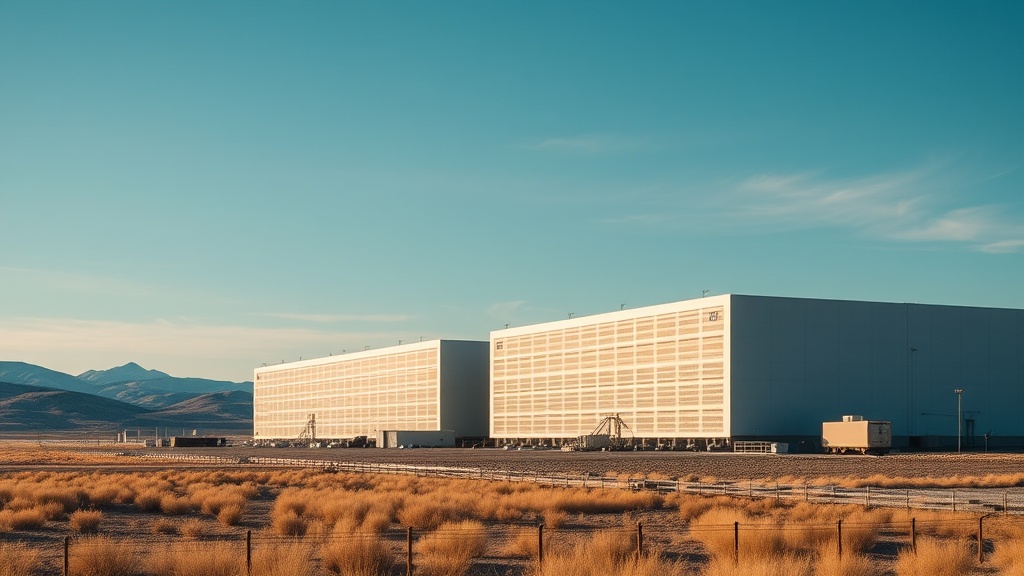
In a landmark decision earlier this month, the Laramie County commissioners unanimously approved Project Jade, a significant initiative that will introduce the largest artificial intelligence (AI) data center in the United States to Wyoming. This ambitious project is poised to transform the region's technological landscape, but it also raises several questions regarding environmental impacts, local economies, and infrastructure needs.
Project Jade is being spearheaded by a consortium of tech companies eager to capitalize on the burgeoning demand for AI services, which are increasingly integral to various sectors, including healthcare, finance, and transportation. The data center, which is set to be constructed on a sprawling site outside Cheyenne, is expected to house thousands of servers that will process immense amounts of data, facilitating advanced machine learning and AI applications.
Commissioner Linda Heath, who played a pivotal role in the approval process, highlighted the potential economic benefits of the project. "This data center will not only create hundreds of jobs during the construction phase but will also provide long-term employment opportunities for our residents," she stated during the commission meeting. "We are excited about the possibilities this brings for our community and our state as a whole."
The projected economic impact is substantial, with estimates suggesting that Project Jade could generate millions in revenue and attract additional businesses to the area. Local businesses are optimistic that the influx of workers and tech professionals will stimulate the local economy, revitalizing sectors that have faced challenges in recent years.
However, the approval of Project Jade is not without its critics. Environmentalists and community advocates have raised alarms about the potential repercussions of such a large facility. Concerns include the significant energy consumption associated with data centers, which are notorious for their high electricity requirements. As technology companies strive to meet increasing demands for processing power, the energy needs of AI data centers are often immense, leading to questions about the sustainability of such projects.
Moreover, local activist groups have voiced concerns about water usage and the potential strain on existing infrastructure. The Laramie County area has faced its share of environmental challenges, including drought conditions and limited water resources. Activists argue that the state needs to carefully assess the environmental impact of Project Jade before proceeding with construction. "We need to ensure that our resources are being managed responsibly," said local resident and environmental advocate Sarah Thompson. "We have to find a balance between economic growth and environmental preservation."
The state government has made commitments to promote renewable energy sources in recent years, a factor that could play a crucial role in addressing these concerns. Wyoming is rich in natural resources, including wind and solar energy, and officials have expressed interest in leveraging these resources to power the new data center. As discussions continue, stakeholders are exploring strategies to ensure that Project Jade aligns with the state’s renewable energy goals.
In addition to environmental considerations, there are also questions about the impact of Project Jade on local infrastructure. With an influx of new workers and increased traffic expected, residents are concerned about road conditions and public services. City officials are already discussing plans for potential upgrades to transportation networks, as well as enhancements to utilities to accommodate the growing population.
While the approval of Project Jade marks a significant milestone for Wyoming, it also serves as a case study in the broader national conversation about the future of technology and its implications for communities. As AI continues to permeate various sectors, towns and cities across the country are grappling with similar decisions about how to embrace technological advancements while ensuring the well-being of their residents.
In conclusion, the unanimous approval of Project Jade by the Laramie County commissioners represents a pivotal moment for Wyoming as it ventures into the world of artificial intelligence and data processing. While the potential economic benefits are promising, the implications for the environment and local infrastructure cannot be overlooked. As stakeholders move forward, it will be essential to strike a balance between innovation and sustainability to safeguard the interests of the community and the state as a whole. The discussions surrounding Project Jade will undoubtedly continue as it evolves, shaping the future of technology in Wyoming and beyond.