Utah Data Centers Turn to Self-Sufficiency Amid Power Shortages
Utah data centers are responding to power shortages by building their own energy sources, raising concerns and opportunities for sustainability.
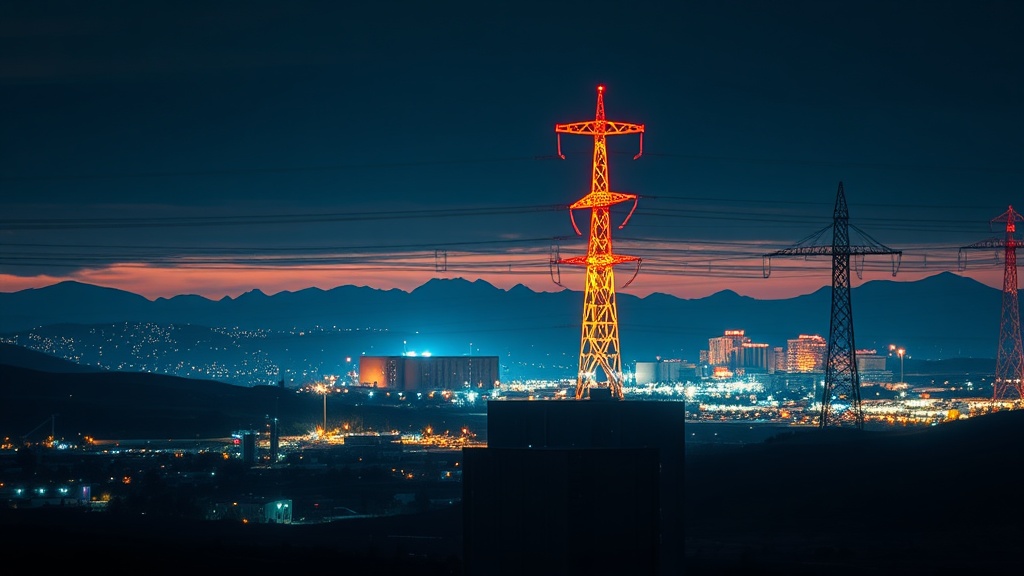
In a bold response to ongoing power supply challenges, data centers in Utah are increasingly taking matters into their own hands by constructing their own energy sources. This trend emerges as the demand for data processing and storage continues to skyrocket, driven by an ever-expanding digital economy. With the rise of cloud computing, artificial intelligence, and big data analytics, these facilities require immense amounts of electricity, prompting a critical examination of the state's power infrastructure capabilities.
Utah has become a significant hub for data centers due to its favorable climate for cooling technology and relatively low electricity costs. However, as the number of facilities multiplies, so too does the strain on the existing power grid. According to a report by the Utah State Energy Program, energy demand in the region is projected to outpace supply by 2025 if new energy generation sources are not developed. This impending shortfall has prompted major data center operators, such as Microsoft and Google, to take drastic measures to secure their energy needs.
In recent months, Microsoft announced plans to build a major data center near Salt Lake City that will be powered by an on-site solar farm. This facility is expected to generate over 100 megawatts of power, significantly contributing to the center's energy needs while also injecting renewable energy into the local grid. This move not only addresses the immediate power requirements but also aligns with the company's broader commitment to sustainability and carbon neutrality by 2030.
Similarly, Google is investing in infrastructure that allows it to harness renewable energy more efficiently. The tech giant has expressed interest in developing geothermal energy sources, capitalizing on Utah's rich geothermal resources. By tapping into this sustainable energy source, Google aims to ensure that its data centers operate with reduced environmental impact, while also securing a reliable energy supply amidst a volatile grid.
The implications of these developments extend beyond the data centers themselves. The push for self-sufficiency in energy generation is indicative of a larger trend among industries facing energy constraints. Local governments and utility companies are now grappling with the need to modernize infrastructure and expand capacity to accommodate new demands. This situation raises questions about the future of energy policy in Utah and the balance between economic growth and environmental stewardship.
Critics of the current situation argue that the rapid expansion of data centers may lead to adverse environmental effects, particularly if the energy sources they rely on are not sustainable. Many community advocates are calling for more stringent regulations to ensure that new energy projects do not compromise local ecosystems. These concerns highlight the need for a comprehensive energy strategy that prioritizes both economic development and environmental protection.
In light of these challenges, the state of Utah has begun exploring new initiatives aimed at supporting the energy needs of data centers while also addressing environmental concerns. The Utah Office of Energy Development is working on a long-term energy plan that includes investments in renewable energy sources and grid modernization projects. This plan seeks to create a more resilient energy infrastructure that can support both traditional industries and the burgeoning tech sector.
Moreover, state officials are encouraging collaboration between data centers, utility providers, and renewable energy developers. By fostering partnerships, Utah aims to create a balanced approach that allows for the continued growth of the tech industry while ensuring that energy supply remains stable and sustainable. This collaborative effort is seen as crucial in navigating the challenges posed by climate change and increasing energy demands.
As Utah's data centers continue to evolve in response to their power needs, their actions may set a precedent for other regions facing similar energy challenges. The shift toward self-sufficiency in energy generation could reshape not only the future of data centers but also the landscape of energy production in the United States. With the right strategies and investments, Utah could emerge as a leader in sustainable energy practices, paving the way for a greener, more resilient future.
In conclusion, the ongoing power challenges faced by Utah's data centers have propelled them to seek innovative solutions through self-generated energy sources. As these facilities prioritize sustainability and energy independence, they may influence broader industry practices and policies, reshaping the intersection of technology and energy for years to come.