Weber County Judge Dismisses Lawsuit Following Ogden Valley Incorporation
A Weber County judge has dismissed a lawsuit challenging development in Ogden Valley, following its recent incorporation, impacting future local governance.
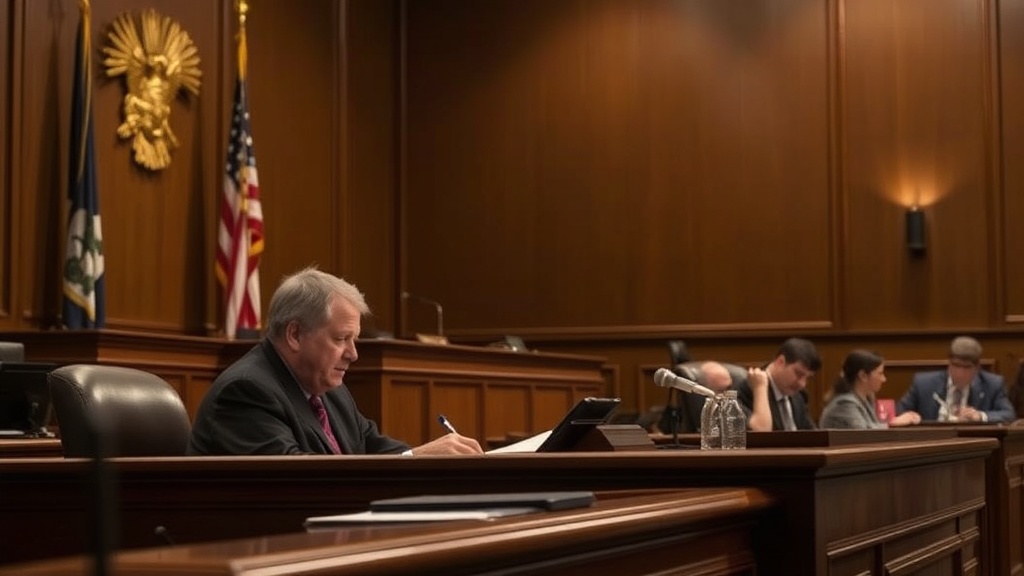
In a significant legal development following the recent incorporation of part of Ogden Valley, a Weber County judge has dismissed a lawsuit brought against county officials concerning the management and development of the area. This decision comes just days after the incorporation took effect, signaling a notable shift in local governance and land-use policies in one of Utah's most picturesque regions.
The lawsuit, filed by local residents and community groups, aimed to challenge the decisions made by Weber County regarding land development practices in the Ogden Valley. Proponents of the lawsuit argued that county development plans could jeopardize the natural beauty and environmental integrity of the valley, which is famed for its recreational opportunities and scenic landscapes. They contended that the rapid development pressures could lead to increased traffic, loss of wildlife habitat, and diminished quality of life for current residents.
During a recent court hearing, Judge Michael DiReda reviewed the arguments presented by both sides. The plaintiffs outlined their concerns about the potential impacts of new housing developments, commercial projects, and infrastructure expansions. They emphasized the need for more stringent regulations to protect the valley's unique environment, arguing that the county's current zoning and planning frameworks were inadequate to address the community's needs.
In contrast, representatives from Weber County defended their development plans, asserting that they were in compliance with existing laws and regulations. They pointed out that the incorporation of certain areas within Ogden Valley provides an opportunity for increased local governance, allowing residents to have a greater say in land-use decisions. This argument resonated with the judge, who ultimately ruled in favor of the county officials, stating that the lawsuit lacked sufficient grounds to proceed.
The incorporation itself has been a contentious issue in Ogden Valley, with residents divided over the merits of establishing a new local government. Proponents of incorporation argued that local control is essential for addressing the specific needs of the community, while opponents feared that it could lead to higher taxes and bureaucratic inefficiencies. The decision to incorporate was finalized after a long public discourse, which included community meetings and public hearings designed to gauge resident sentiment.
Following the judge's dismissal of the lawsuit, some residents expressed disappointment, feeling that their voices were not adequately heard in the judicial process. “This decision feels like a loss for the community,” said local resident Sarah Thompson. “We were hoping for a fair hearing on our concerns, and now it feels like our worries about development are being brushed aside.”
Conversely, supporters of the ruling celebrated it as a victory for local governance and economic development. “This decision allows us to move forward with responsible growth in Ogden Valley,” stated Weber County Commissioner Scott Jenkins. “The community has an opportunity to shape its future, and we are committed to ensuring that development is in line with the values of the residents.”
The implications of this ruling extend beyond the current legal landscape. The dismissal of the lawsuit may pave the way for future development projects in Ogden Valley, potentially changing the region’s character. As developers eye the area for new residential and commercial opportunities, the question remains how these changes will affect the community and its environment.
Moreover, the incorporation process has opened up discussions about the need for updated zoning laws and development guidelines that take into account the unique ecological features of Ogden Valley. Many residents are now calling for a community-driven approach to development, where planning processes are transparent and inclusive.
While the legal battle may have come to an end, the conversation about the future of Ogden Valley is far from over. Community members continue to organize meetings and discussions aimed at ensuring that their concerns are addressed in future development plans. The newly incorporated local government may play a crucial role in this dialogue, as residents seek to navigate the complexities of growth while preserving the valley's rich natural heritage.
In conclusion, the dismissal of the lawsuit by the Weber County judge marks a pivotal moment in the ongoing evolution of Ogden Valley’s governance and development trajectory. As the community adapts to its new status, the interplay between growth, environmental stewardship, and local governance will be crucial in shaping the future of this beloved region of Utah.