Park City Council Faces Decision on Vacant Seat After Close Election
Park City Council faces a pivotal decision on a vacant seat after a narrow election, with implications for community representation.
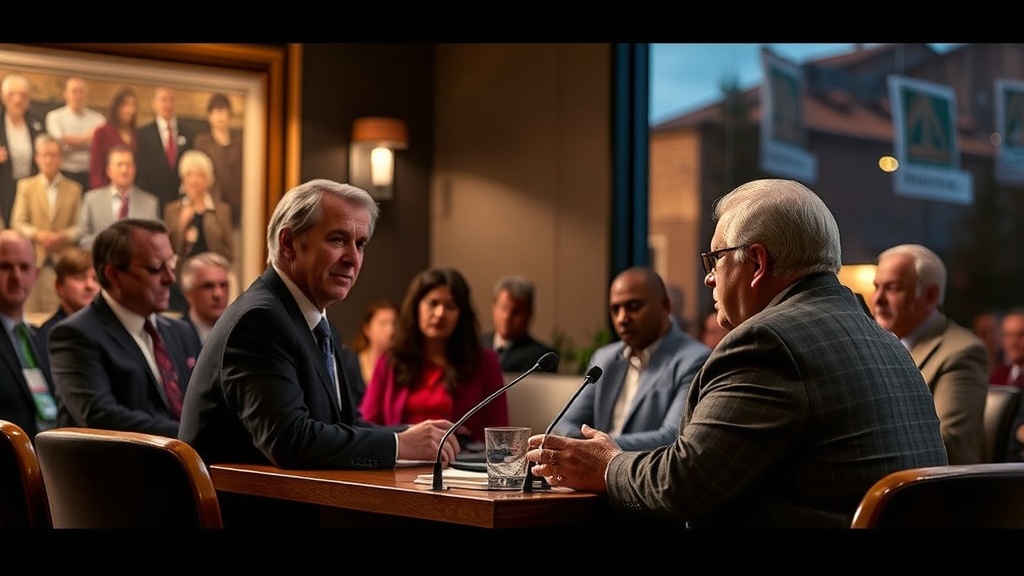
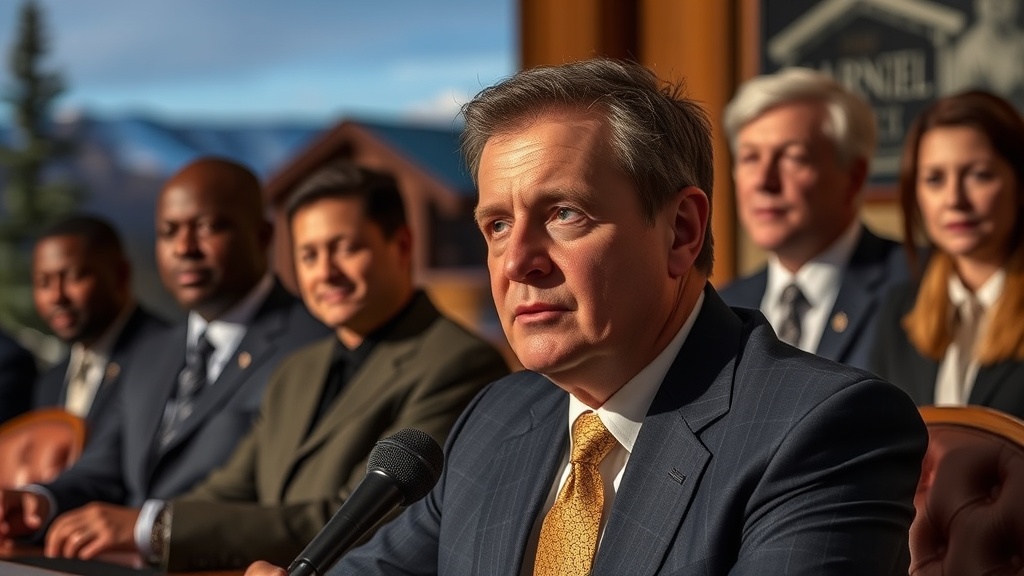
In the wake of a closely contested election, Park City Mayor Ryan Dickey and the Park City Council are faced with a crucial decision regarding the appointment of a new council member. The seat became available after Dickey's election, which concluded with a narrow victory over his opponent, Jack Rubin, who lost by just seven votes. This razor-thin margin has intensified the discussion surrounding Rubin's candidacy for the vacated seat, reflecting a significant portion of the electorate's support for him.
Following the recent elections, the Park City Council is scheduled to interview ten candidates vying for the open council seat. The council's decision will not only influence local governance but also serve as a reflection of their responsiveness to the community they serve. Rubin's name has emerged prominently in discussions about the appointment, given his close proximity to victory in the mayoral race. The seven-vote difference symbolizes a substantial sentiment among voters who believed Rubin should play a role in the local government.
In an environment where voter engagement and representation are paramount, the upcoming decision holds considerable weight. Rubin's background includes a history of community involvement and a platform that resonated with many residents during his campaign. His policies focused on sustainability, economic growth, and community engagement, which could provide valuable perspectives within the council.
The council's upcoming interviews will allow members to evaluate candidates on various criteria, including their qualifications, vision for Park City, and ability to work collaboratively. However, the decision to appoint Rubin could serve as a strong message to constituents that the council values their opinions and is committed to representing the electorate's wishes. Such a move could foster increased trust in local government and encourage more citizens to engage in the political process.
Frank Puleo, a Park City resident, recently expressed his views in a letter to the editor of The Park Record, suggesting that the council should prioritize the appointment of Rubin. Puleo emphasized that the close vote indicates a significant desire among the community for Rubin's involvement in local governance. He urged Dickey and the council to act in alignment with the expressed wishes of the voters, thereby reinforcing their responsibility to serve the public effectively.
The idea of appointing Rubin is not without its complexities, as it brings into question the broader implications of such decisions in local governance. If the council chooses to appoint Rubin, it could set a precedent for future appointments and how closely they align with recent electoral outcomes. Conversely, if they opt for a different candidate, it may raise questions about the council's commitment to reflecting the electorate's desires and could lead to discontent among those who supported Rubin.
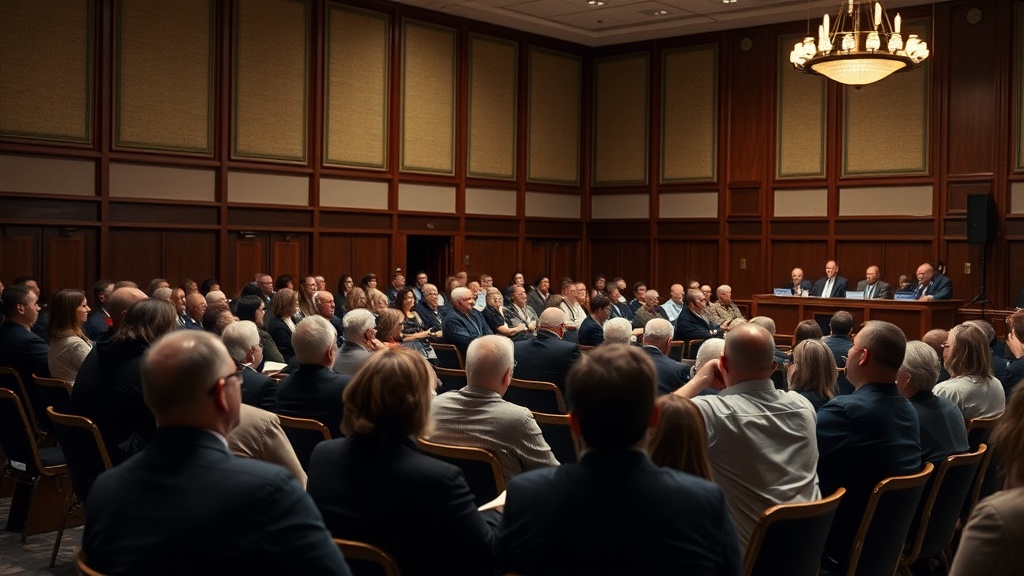
The upcoming council meeting is expected to draw significant public interest, with residents eager to understand how their elected officials will navigate this important decision. Many community members are likely to attend, expressing their opinions and advocating for the appointment of a candidate who they believe best represents their interests.
Ultimately, the Park City Council's choice will have lasting implications for governance in the city. With growing conversations about accountability and representation, the council must carefully consider their decision-making process and the message it sends to the community. The outcome of this appointment could influence public perception of local leadership and encourage a more engaged electorate in future elections.
As the council prepares for the interviews and the subsequent decision-making process, the eyes of Park City residents will be on them, eager to see how their elected officials choose to respond to the democratic will of the people. The decision is not merely about filling a vacant seat; it is an opportunity to affirm the council's commitment to serving all citizens of Park City and ensuring that every voice is heard in the local governance structure.
In a time when civic engagement is crucial, the council's actions could either bridge the gap between elected officials and constituents or widen it, depending on how they choose to move forward with this pivotal appointment.
The outcome of this appointment is more than just a matter of filling a position; it represents a chance to engage with the electorate and demonstrate a commitment to the values of democracy and community representation that are essential for the future of Park City.
Ultimately, the Park City Council's decision regarding the appointment of the new member will be closely scrutinized, with the community watching to ensure their interests and voices are adequately represented in local governance.