Utahns Embrace AI for Prescription Renewals Amid Doctor Concerns
Utah residents can renew prescriptions using AI, but doctors raise safety concerns about this innovative approach.
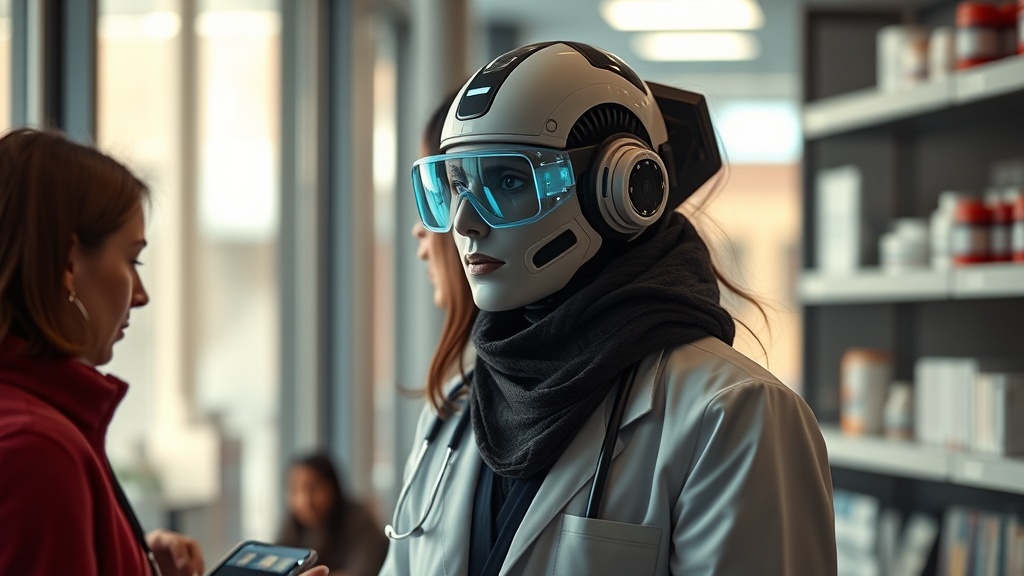
Utah residents now have the option to renew their prescription medications online through an artificial intelligence (AI) system that operates without direct input or review from licensed medical professionals. This innovative approach, introduced by a tech company specializing in healthcare solutions, aims to streamline the prescription renewal process for patients, particularly those with chronic conditions requiring ongoing medication. However, the rollout has sparked a significant debate within the medical community, raising concerns about patient safety and the quality of care.
The AI system allows patients to input their current medications and any relevant health information into a digital platform. Once the data is submitted, the AI evaluates the information to determine whether a prescription renewal is appropriate. If deemed suitable, the system automatically issues a renewal request to the patient's pharmacy. This process, which can often take days when coordinated through traditional methods involving direct communication with healthcare providers, is designed to be completed within minutes.
Proponents of the AI-driven renewal process argue that it enhances accessibility for patients. For individuals with chronic illnesses who require ongoing medications, the ability to renew prescriptions quickly and efficiently can significantly improve their quality of life. "This technology is designed to reduce friction in the healthcare system and make it easier for patients to manage their medications," said John Smith, CEO of the tech company behind the AI system. "In today's fast-paced world, we have to leverage technology to meet the needs of patients in a timely manner."
However, many healthcare professionals have expressed reservations about the technology. Critics argue that the absence of human oversight in the prescription renewal process can lead to potentially dangerous situations. Dr. Emily Johnson, a family physician in Salt Lake City, voiced her concerns, stating, "While technology can be an excellent tool, it should never replace the clinical judgment of a trained medical professional. There are nuances in patient care that an AI simply cannot understand."
Concerns also extend to the potential for medication errors. Without a doctor’s review, there is a risk that the AI may overlook critical factors such as recent changes in a patient’s health status, interactions with other medications, or new allergies. Dr. Johnson added, "Medications can have varying effects on different people, and a thorough evaluation by a healthcare provider is essential to ensure that a patient’s treatment plan is safe and effective."
In response to these concerns, the tech company has emphasized that the AI system is designed to supplement, rather than replace, traditional healthcare practices. They have implemented safeguards, including regular updates to the AI’s algorithms based on the latest medical guidelines and research. Additionally, patients using the system are encouraged to maintain regular check-ups with their healthcare providers to discuss their treatment plans and any potential issues.
Despite the assurances from the tech company, skepticism remains prevalent among healthcare providers. Many physicians are advocating for clearer regulations surrounding the use of AI in healthcare, particularly regarding prescription management. Dr. Michael Lee, a member of the Utah Medical Association, stated, "We need to ensure that any technology used in patient care prioritizes safety and maintains the standard of care that patients expect and deserve."
The implementation of AI for prescription renewals is part of a broader trend in healthcare towards digitization and remote care. Telehealth services have surged in popularity, particularly in the wake of the COVID-19 pandemic, and AI is increasingly being integrated into various aspects of healthcare delivery. While the convenience offered by these technologies is appealing, the balance between innovation and patient safety is a critical consideration that cannot be overlooked.
For patients considering using the AI prescription renewal system, it's essential to weigh the benefits against the potential risks. Many healthcare providers recommend that patients continue to engage with their doctors when it comes to managing medications, even if they opt for the convenience of AI tools.
As the debate surrounding AI in healthcare continues, Utah's experience may serve as a case study for other states contemplating similar technologies. Balancing the efficiency of AI with the necessity of human oversight will be crucial in shaping the future of prescription management. As the healthcare landscape evolves, ongoing dialogue among tech innovators, healthcare providers, and patients will be vital in ensuring that advancements in technology enhance, rather than compromise, patient care.
In conclusion, while Utahns now have access to a groundbreaking AI system for renewing prescriptions, the implications of its use raise essential questions about the future of healthcare delivery. The integration of technology into medicine holds great promise, but it must be approached with caution to protect patient health and maintain the integrity of medical care.