Utah Senator John Curtis Condemns Trump's Offensive Social Media Post
Utah Senator John Curtis condemns Trump's racist social media post featuring the Obamas, sparking a broader conversation on race in politics.
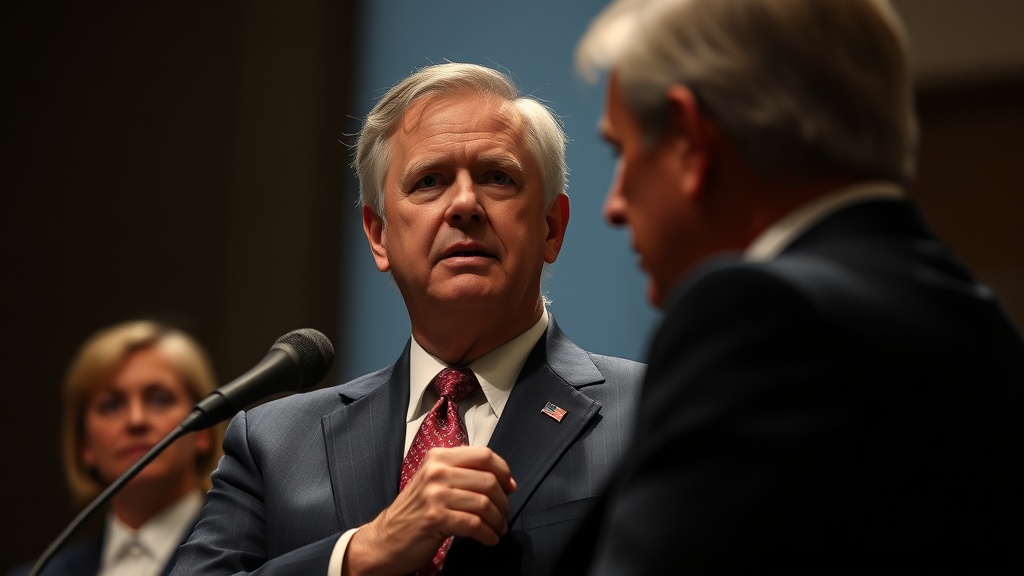
In a strong rebuke, Utah Senator John Curtis condemned President Donald Trump for sharing a social media post that depicted former President Barack Obama and First Lady Michelle Obama in a derogatory manner, likening them to apes. The controversial post, which was shared on Trump’s social media account, drew immediate backlash for its overtly racist implications and was subsequently deleted. Curtis, a Republican who previously described himself as a supporter of Trump, stated that the imagery used in the post was "blatantly racist" and unacceptable in any political discourse.
The incident unfolded earlier this week when Trump shared a post that featured a side-by-side image of the Obamas with a caption that many interpreted as a racially charged insult. The post quickly ignited a firestorm of criticism from various quarters, including political analysts, civil rights organizations, and fellow lawmakers. Curtis took to social media to express his disapproval, emphasizing that such behavior from a former president should not be tolerated. "We should be better than this," he remarked in a video posted to his Twitter account, underscoring the need for civility and respect in political discussions.
Curtis's comments are particularly significant given Utah's political landscape, where he represents a state that has traditionally leaned conservative but is becoming increasingly diverse and progressive. In recent years, issues of race and equality have gained prominence, and Curtis's stance may resonate with a growing number of constituents who demand accountability and ethical leadership from their elected officials.
In his remarks, Curtis highlighted the historical context of racist imagery in American politics, noting that such depictions have long been used to demean and dehumanize people of color. "This is not just about a post; it’s about the message it sends to our children and future generations about how we treat one another," he stated. His comments reflect a broader concern among many in the Republican Party, who are grappling with how to address racism within their ranks and appeal to a more diverse electorate.
Political analysts suggest that Curtis's condemnation of Trump could signal a shift in the Republican Party's approach to race-related issues. While some party leaders have remained silent or have defended Trump's actions in the past, Curtis's vocal opposition may encourage others to take a stand against similar behavior. It also places him in a unique position as a moderate voice within the party, potentially appealing to independents and younger voters who prioritize social justice and equality.
The backlash to Trump’s post was swift, with many calling it a regression to some of the ugliest moments in American political history. Civil rights organizations, including the NAACP and the Southern Poverty Law Center, issued statements denouncing the imagery as not only offensive but also harmful to social progress. "This kind of rhetoric is dangerous and serves to further divide our nation at a time when we should be coming together," said a representative from the NAACP. The response underscores the urgent need for political leaders to combat hate speech and promote inclusivity.
As the fallout from this incident continues, it raises questions about the role of social media in shaping political discourse. Trump's use of platforms like Twitter and Truth Social has often been controversial, and critics argue that his posts contribute to a culture of division and animosity. Curtis's condemnation serves as a reminder that elected officials have a responsibility to hold one another accountable and to foster a political environment that upholds respect and dignity for all.
In the days following the post, Curtis also highlighted the importance of having conversations about race and equity within communities. He has called for forums and discussions that address the challenges faced by marginalized groups and promote understanding among diverse populations. This approach is seen as a proactive step in countering the divisive narratives that often dominate political dialogue.
As more Utah residents engage in discussions about race and social justice, Curtis’s condemnation of Trump may resonate as a call to action for those who believe in the importance of integrity in leadership. The senator’s remarks could very well influence the political climate in Utah, encouraging more leaders to speak out against racism and to advocate for a more inclusive and respectful discourse.
In conclusion, Senator John Curtis’s condemnation of President Trump’s social media post represents a pivotal moment in Utah politics and highlights a growing demand for accountability and ethical behavior among leaders. As the nation grapples with issues of race and equality, Curtis’s stance may inspire other politicians to take similar stands against hate and division, fostering a more inclusive political environment for all Americans.