Utah's Snowy Commute: A Wake-Up Call for Drivers to Exercise Caution
Utah's recent snowfall caused significant delays for commuters, highlighting the need for caution and preparedness during winter driving.
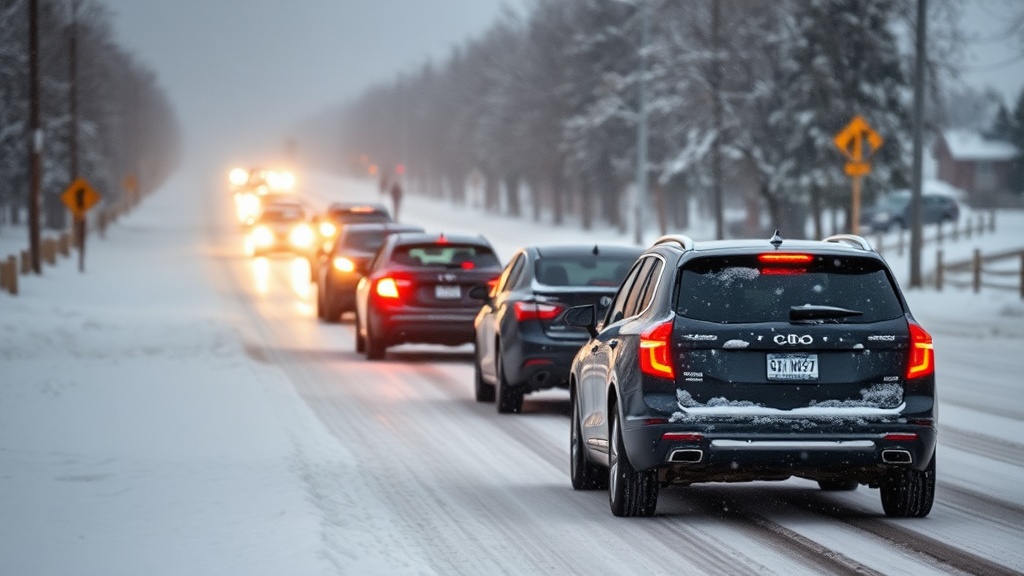
Utah experienced its first significant winter snowfall on Monday, causing substantial disruptions for commuters across the state, particularly in the mountainous regions. After a relatively mild start to the winter season, the sudden drop in snow levels to around 5,500 feet brought about icy conditions that caught many drivers off guard. The Utah Department of Transportation (UDOT) reported that Interstate 80, which winds through the canyons, was one of the most severely affected routes, leading to traffic delays exceeding two hours for those traveling from Salt Lake City to Kimball Junction.
John Gleason, a spokesperson for UDOT, emphasized the stark contrast between conditions in the valleys and those in the mountain canyons. "It’s a little bit of an eyebrow raise for us down here in the valleys. You look outside and see wet roads, but up in the mountains, it’s a different story," he stated. This discrepancy in weather conditions has historically led to increased risk for drivers unprepared for winter weather.
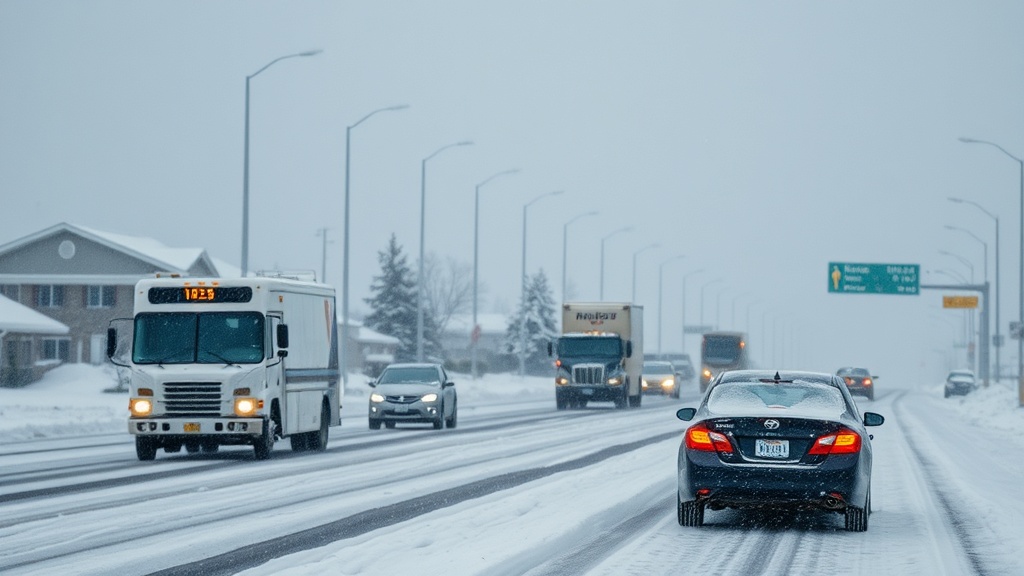
As the snow began to accumulate, drivers encountered treacherous conditions that included icy roads, multiple slide-offs, and several crashes. UDOT confirmed that many of these incidents were the result of drivers exceeding safe speeds for the snowy conditions. Gleason noted that this is a common issue, especially given that the winter season had been relatively light up until this point. "It’s funny to talk about still getting used to winter weather when we’re already in January, but we’ve had a light year so far, and a lot of drivers just haven’t had to deal with snowy, icy conditions yet," he remarked.
By mid-morning, road crews worked diligently to clear lanes, and conditions began to improve, but UDOT officials continued to caution drivers against complacency. With additional storm systems forecasted for later in the week, the agency is urging motorists to remain vigilant. "It’s crucial to slow down, stay focused, and ensure your vehicles are equipped for winter driving. This includes having proper tires and emergency supplies on board," Gleason advised.
The challenges faced by drivers on Monday serve as a timely reminder of the importance of winter driving preparedness. While snowfall is a common occurrence in Utah, the abrupt shift in weather highlights how quickly conditions can change, especially in mountainous areas. Gleason reiterated this point, stating that winter driving skills can become rusty during milder periods, and that the mountainous terrain can present unique challenges that may not be apparent from lower elevations.
In recent years, Utah has seen an increase in traffic accidents during winter months, often attributed to a combination of factors including driver inexperience, speeding, and inadequate vehicle preparation. The National Highway Traffic Safety Administration (NHTSA) emphasizes the importance of adjusting driving habits to account for changing weather conditions. Their guidelines suggest reducing speed, increasing following distances, and being prepared for sudden stops or changes in road conditions.
As the winter progresses, UDOT plans to continue monitoring road conditions and providing updates to the public. They encourage drivers to check weather forecasts and road reports before embarking on journeys, particularly when traveling in mountainous areas.
For those who may not be familiar with winter driving, UDOT offers resources and tips through their website, including information on vehicle maintenance and safe driving practices. Local law enforcement agencies have also increased patrols during adverse weather conditions to assist stranded motorists and monitor traffic flow.
In conclusion, Monday's snowy commute served as a crucial reminder for Utah drivers about the importance of caution and preparation during winter weather. As the state braces for more snow in the coming days, the message from UDOT is clear: take the necessary precautions to ensure safety on the roads. Whether it's reducing speed, ensuring vehicles are winter-ready, or simply staying focused while driving, the responsibility lies with each driver to navigate Utah's winter landscape safely. With the unpredictable nature of mountain weather, the stakes are high, and preparedness is key to a safe commute this winter season.