New Policy Enforces Penalties for Altering Trump’s Image on National Park Passes
New penalties enforce the integrity of Trump's image on national park passes, sparking debate and legal action as visitors respond creatively.
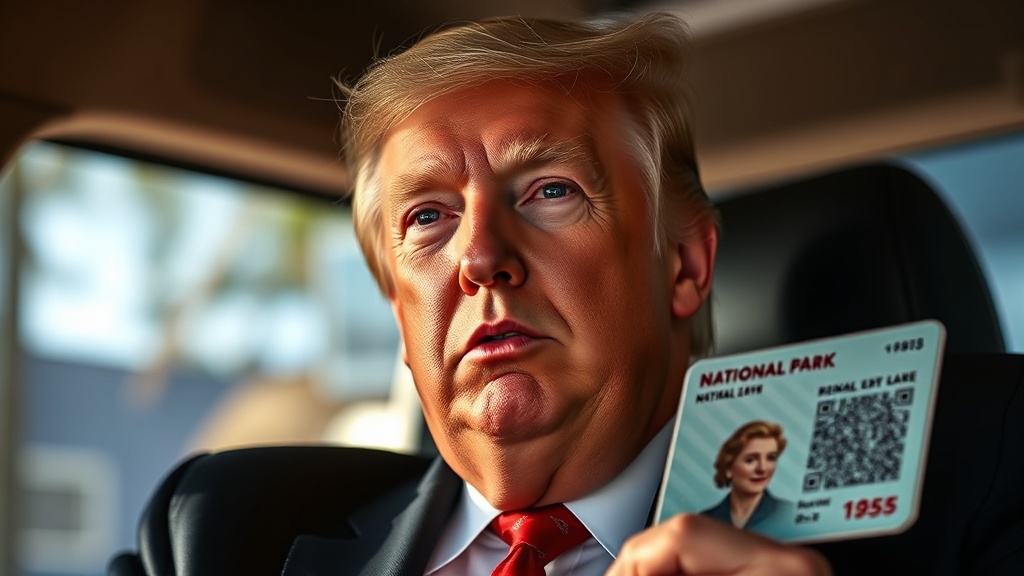
As visitors prepare to explore Utah's renowned national parks, they will need to be mindful of a new policy regarding the annual park passes that prominently feature former President Donald Trump's image alongside that of George Washington. Debuting on January 1, this annual pass has ignited a wave of reactions, ranging from support to protests, particularly due to the image of Trump, a polarizing figure in American politics.
The Department of the Interior has implemented updated rules that explicitly prohibit any alteration of these park passes. Reports indicate that the revised policy includes a "Void if Altered" clause, meaning any changes to the pass—such as covering or defacing Trump's image—will render it invalid. Park rangers, tasked with monitoring compliance, have been instructed to enforce these rules strictly. Visitors found with an altered pass will be required to restore it to its original condition or face the possibility of paying the standard entrance fee to the parks.
The initial guidelines for these passes primarily focused on the signature area. However, the recent updates have expanded those restrictions to cover any part of the card, including the front, where Trump's image is located. The updated policy warns that writing, stickers, or any other form of alteration is no longer permissible. This move appears to be a direct response to widespread backlash against the inclusion of Trump’s image, as many individuals have expressed their discontent through social media and other platforms, sharing creative alternatives to obscure Trump's likeness.
In light of the controversy, numerous visitors have taken to social media to propose various methods for hiding the president's image on the passes. Some suggest using stickers, while others have recommended sleeves or covers that could obscure Trump’s face. These ideas have sparked a conversation about the intersection of politics and public spaces, raising questions about the appropriateness of a political figure's image being used in a recreational context meant for enjoyment and leisure.
Furthermore, the controversy surrounding the park passes has attracted attention from advocacy groups. A nonprofit environmental organization has filed a lawsuit against the Department of the Interior, claiming that the design and implementation of these passes did not comply with laws requiring public participation in the selection of imagery for such passes. The lawsuit underscores the ongoing debate about representation and the role of public input in decisions that affect national landmarks, which are often seen as neutral grounds.
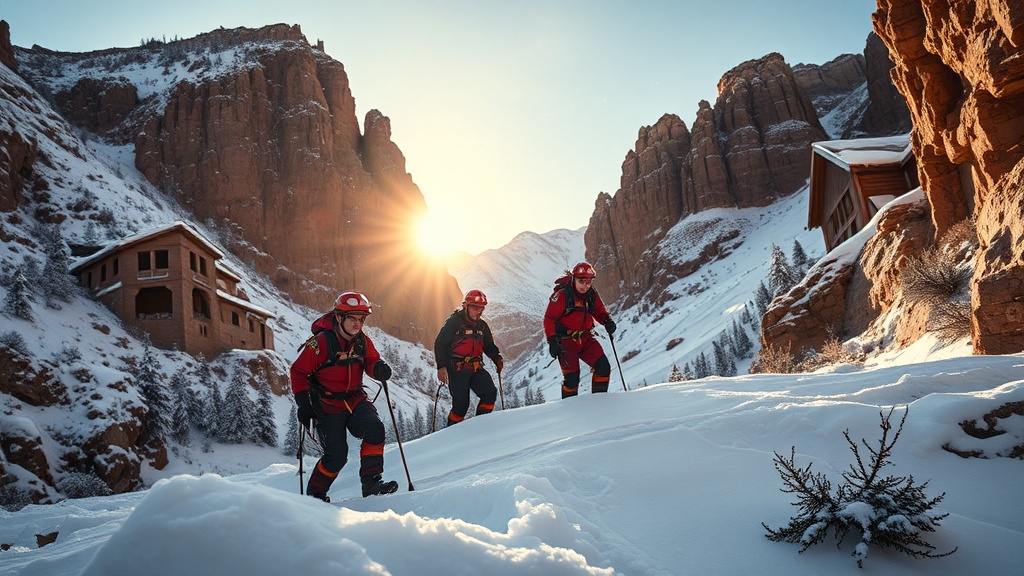
The national parks, including Utah's famous "Mighty Five"—Zion, Arches, Canyonlands, Bryce Canyon, and Capitol Reef—are cherished by many for their natural beauty and cultural significance. Critics of the new policy argue that featuring a controversial political figure on park passes detracts from the serene experience that visitors seek. They contend that the parks should focus on nature and the environment rather than political symbolism.
Supporters of the policy, on the other hand, argue that the inclusion of Trump's image reflects a historical moment in U.S. politics and that the parks should be a platform for celebrating all aspects of American history. This perspective highlights the ongoing division in public opinion regarding Trump's legacy.
The implications of this policy extend beyond just the park passes. It raises broader questions about how political figures are memorialized and the impact of such representations on public spaces. As the nation grapples with its complex political landscape, the decision to feature Trump on a widely used national park pass serves as a focal point for discussions about representation, public sentiment, and the commercialization of political figures.
As visitors to Utah's parks prepare for their adventures, they must navigate not only the breathtaking landscapes but also the political undertones that accompany the new park pass policy. The enforcement of penalties for altering Trump's image may serve to further entrench divisions among park-goers, as some embrace the pass while others seek ways to alter it. The situation continues to unfold as more visitors weigh in on the matter, and the parks themselves remain a vital space for both reflection and exploration amidst the ongoing national dialogue surrounding political representation.
In conclusion, the new policy regarding Trump’s image on national park passes illustrates the complexities of merging politics with public spaces. As the parks aim to preserve their integrity and provide an inclusive experience for all visitors, the ongoing debate about the appropriateness and implications of such a policy will likely continue to resonate throughout the national park system. The situation exemplifies how public sentiment can significantly influence policy decisions, especially in venues meant for recreation and community engagement.