Utah's Possible Boycott of Bad Bunny's Super Bowl Halftime Show Sparks Controversy
Utah is considering a boycott of Bad Bunny's halftime show, reflecting cultural tensions and diverse opinions in the state.
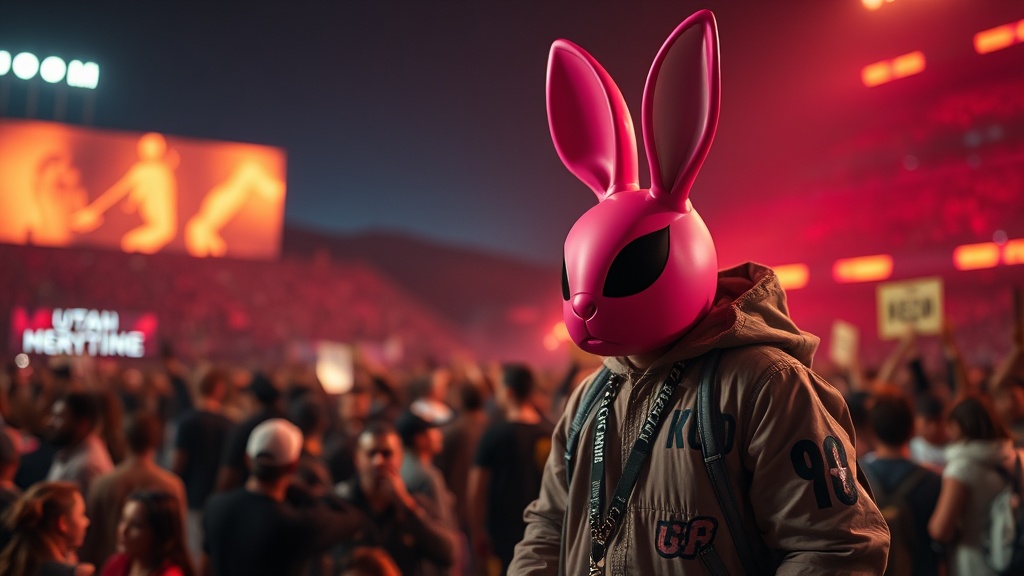
The anticipation for the Super Bowl LVIII is palpable across the United States, but in Utah, a significant portion of the population is contemplating a boycott of the halftime show featuring Puerto Rican superstar Bad Bunny. This potential backlash stems from a series of controversies surrounding the artist, leading to a deeper examination of cultural representation in mainstream entertainment.
According to a recent analysis conducted by X.com, Utah stands out as the state most likely to rally against Bad Bunny’s performance. The analysis utilized social media data and polling metrics to gauge public sentiment about the halftime show, revealing that approximately 37% of Utah residents express a desire to boycott the event. This figure is notably higher than the national average, where only 23% of respondents indicated similar discontent.
Bad Bunny, whose real name is Benito Antonio Martínez Ocasio, has rapidly ascended to global fame, becoming one of the most streamed artists worldwide. However, his rise has not been without controversy. Some Utah residents have voiced concerns about the artist's explicit lyrics and perceived cultural insensitivity, arguing that they do not align with the family-friendly atmosphere traditionally associated with the Super Bowl. One resident, Sarah Thompson, expressed her apprehension, stating, "The Super Bowl is a huge family event, and I believe that the halftime show should reflect values that are appropriate for all ages. Bad Bunny's music often contains explicit content that I find troubling."
The backlash in Utah also reflects broader cultural tensions within the state, which is predominantly conservative and has a significant population that adheres to traditional values. Critics of Bad Bunny's selection argue that the NFL has strayed from its roots by choosing an artist whose themes often challenge mainstream societal norms. In contrast, supporters of the artist assert that his inclusion is a step towards greater diversity and representation in entertainment. Maria Gonzalez, a local music enthusiast, countered the criticisms by saying, "Bad Bunny represents a new wave of Latino artists breaking into the mainstream. It’s important for the NFL to embrace this change and celebrate diversity."
The analysis from X.com also highlighted geographic disparities in sentiment towards the halftime show. While urban areas within Utah, such as Salt Lake City, exhibit a more favorable view of Bad Bunny, rural regions tend to hold stronger opposition. This divide mirrors a larger national trend, where younger demographics are more inclined to appreciate the cultural significance of artists like Bad Bunny, whereas older generations tend to favor more traditional entertainers.
In light of these discussions, local businesses have started to take note. Some establishments are promoting Super Bowl viewing parties that feature alternative entertainment options, while others are leaning into the controversy by marketing themed events that celebrate Bad Bunny’s music. Tom Harris, a bar owner in Provo, commented, "We want to cater to everyone, but we also see an opportunity here. Whether you love or hate Bad Bunny, it's a conversation starter, and we want people to come together, no matter their stance."
Moreover, social media has played a crucial role in amplifying both support and opposition to Bad Bunny's performance. Hashtags such as #BoycottBadBunny have gained traction among detractors, while supporters have rallied around hashtags like #WeLoveBadBunny. This duality highlights the evolving nature of public discourse, particularly as it pertains to entertainment and cultural representation.
As the date of the Super Bowl approaches, the NFL is watching the situation closely. The league has historically faced scrutiny regarding its halftime show choices, with past performances sparking debates about appropriateness and cultural representation. NFL spokesperson Jessica Mills addressed the issue in a recent interview, stating, "Our goal is to create an inclusive environment that reflects the diversity of our fan base. We understand that not everyone will agree with our choices, but we believe in the power of music to bring people together."
The potential boycott of Bad Bunny’s performance in Utah serves as a microcosm of larger national conversations about diversity, cultural representation, and the evolving landscape of entertainment. As the Super Bowl draws nearer, it remains to be seen how this controversy will unfold and what it will mean for future halftime shows. The NFL’s decision to feature Bad Bunny may indeed be a litmus test for how the league navigates the complexities of a diverse audience in a constantly changing cultural landscape.
In conclusion, Utah's likely boycott of Bad Bunny's halftime show is indicative of the state's complex relationship with cultural representation in mainstream media. As residents grapple with their sentiments, the national conversation surrounding the Super Bowl's entertainment choices continues to evolve, with implications that extend far beyond the football field.