Bad Bunny's Super Bowl Halftime Show: A Cultural Milestone in Entertainment
Bad Bunny's Super Bowl LX halftime show marks a cultural milestone, showcasing Latin music's growing influence in mainstream America.
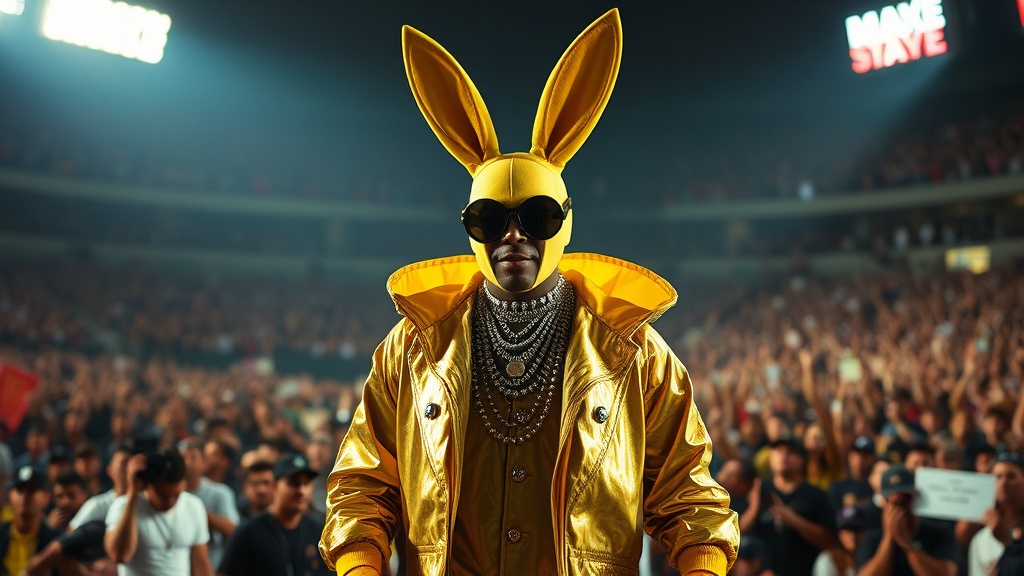
In an unprecedented move, Puerto Rican artist Bad Bunny, born Benito Antonio Martínez Ocasio, is set to headline the halftime show of Super Bowl LX, marking a significant cultural milestone in the realm of sports and entertainment. This event is poised to highlight the growing influence of Latin music and culture in mainstream America, as Bad Bunny performs primarily in Spanish on one of the world's largest stages. The Super Bowl, traditionally characterized by its American football fanfare, is evolving to embrace a more diverse cultural representation, reflecting the changing demographics and interests of its audience.
For many, the Super Bowl is more than just a football game; it serves as a cultural touchstone that captivates millions across the globe. The halftime show has become a highly anticipated segment, often featuring top-tier artists who draw in viewers from various backgrounds. Bad Bunny's inclusion in this lineup is a testament to the increasing acceptance and celebration of Latinx culture in the United States, a country where Spanish is the second most spoken language.
The impact of Bad Bunny's performance extends beyond music; it resonates with a generation that straddles multiple cultures. His lyrics often explore themes of identity, belonging, and the immigrant experience, which can be relatable to many young people trying to navigate their own cultural landscapes. As a high school teacher, the author of a recent guest editorial reflected on the significance of this moment, noting how it serves as a bridge between generations and cultures.
While not a football enthusiast herself, the author has learned to recognize the importance of events like the Super Bowl in engaging with her students, particularly those who are bilingual and come from diverse backgrounds. Bad Bunny's music has the potential to resonate with them on a personal level, reflecting their experiences and struggles. This connection is especially poignant for students who often find themselves acting as translators for their parents or who navigate the complexities of living in two cultures.
In her guest editorial, the author recounted her initial disconnection from her students during a particularly challenging teaching year. Seeking to reconnect, she found herself immersed in Bad Bunny's music, which provided her with an unexpected emotional awakening. This experience underscores the power of art and music as a means of fostering understanding and empathy in educational environments.
Bad Bunny's rise to global stardom is not merely a musical phenomenon; it symbolizes a broader cultural shift. The increasing visibility of Latinx artists in mainstream media reflects a growing recognition of the contributions of Hispanic and Latin American communities to American culture. The Super Bowl halftime show, typically dominated by English-speaking artists, now opens its doors to a Spanish-speaking audience, signaling a more inclusive future.
As anticipation builds for the Super Bowl LX halftime show, it is crucial to recognize the significance of this moment in the context of American culture. The event represents more than just a performance; it is an acknowledgment of the changing landscape of entertainment and the importance of diversity in media.
With Bad Bunny at the helm, the Super Bowl is set to transcend its traditional boundaries, inviting audiences to embrace a new cultural narrative. This moment serves as a reminder that the conversation around identity and representation is not just relevant in classrooms but resonates across all spheres of society.
In conclusion, Bad Bunny's performance at the Super Bowl LX halftime show stands as a pivotal moment in the intersection of sports and culture. It highlights the need for inclusivity and the celebration of diverse voices in entertainment. As the world tunes in to watch, many will not only enjoy the music but will also reflect on the broader implications of what it means to belong in a multicultural society. This event may very well set a precedent for future artists, encouraging more diverse representation in one of the largest sporting events in the world, and fostering connections that extend far beyond the football field.