Utah's Iranian Community Grapples with Fear Amidst Ongoing Regime Crackdown
Utah's Iranian community faces emotional turmoil as they fear for loved ones amid brutal regime crackdowns in Iran, highlighting resilience and solidarity.
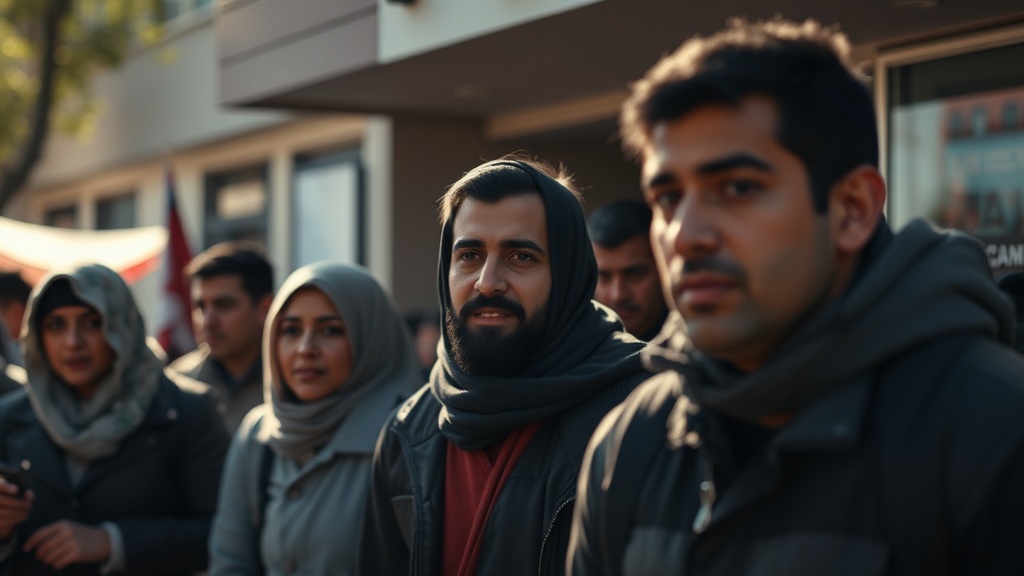
In Cottonwood Heights, Utah, the distance of over 6,600 miles from Tehran, Iran, feels negligible for the local Iranian community who are anxiously following the recent regime crackdown in their home country. Reports indicate that thousands of citizens have been killed as protests against the Iranian government intensify. For many Iranian expatriates and their families in Utah, the emotional toll of these events is profound, creating a deep sense of helplessness and fear for their loved ones still residing in Iran.
Sumac Cafe, a popular gathering spot for the Iranian community, serves not just as a place to enjoy traditional food but as a platform for sharing voices and stories from Iran. Nasrin Mohammadi, a longtime resident of Utah originally from Iran, expressed her deep commitment to advocating for those in her homeland. "We have to be the voice for those 82 million people who have no voice," she stated with conviction. The cafe's name, inspired by a spice commonly used in Iranian cuisine, symbolizes the connection that many Iranians in Utah feel towards their homeland.
Melina Nazari, whose family owns Sumac Cafe, has a personal history that reflects the struggles of many in the Iranian diaspora. As a child, she escaped Iran as a refugee and became a U.S. citizen. Melina recalls a traumatic experience from her childhood when she was arrested for not wearing a hijab. "They were saying, 'Where's your hijab? Why are you not wearing a hijab? You're going to pay for this.' I remember that moment very vividly; it was a terrifying experience," she recalled, her voice tinged with emotion.
Nazari emphasized the plight of younger generations in Iran who face violence and oppression. "Younger people like me have been through so much — they've been shot, they've been kicked, they've been slammed in the same room as I was in. It’s heartbreaking to think about what they are enduring right now."
According to census estimates, there are between 500 and 700 individuals in the Salt Lake City area who identify as Iranian or Persian. This small community has a rich tapestry of experiences, with members like Mohammadi recalling a time before the Islamic regime took power. Mohammadi arrived in Utah in 1975 to pursue an education but returned to Iran just before the hostage crisis erupted. "I was fortunate enough to escape back to the U.S., but many of my friends were not so lucky," she reflected.
The ongoing protests in Iran represent a significant shift from previous uprisings, Mohammadi noted. "The first time it was political, the second time it was about freedom, and now it's about the economy. The issues have evolved, and the people's demands have grown more urgent."
Despite their desire to speak out, many members of the Iranian community in Utah express concern about the repercussions for their families back home. The Iranian government has a history of punishing dissent, and the recent disruptions to internet and communication services in Iran further exacerbate the anxiety felt by those living abroad. Melina Nazari voiced her fears, saying, "I hope my grandma, my grandpa, my dad are okay back home. My best friend, I haven’t heard from them. I just woke up this morning, grabbed my pillow, and started crying because this is not fair to my people."
As the situation in Iran continues to unfold, the Iranian community in Utah remains vigilant and connected, often organizing gatherings to raise awareness and support for their homeland. Community leaders stress the importance of solidarity and collective action, emphasizing that every voice matters in the fight for justice and freedom.
Local organizations have also begun to mobilize resources and support for those affected by the crisis in Iran, providing emotional and financial assistance to families who are struggling to connect with loved ones. The resilience of the Iranian community in Utah is evident, as they navigate their dual identities — both as proud Iranians and as committed Americans.
As the protests in Iran evolve, the voices of those in Utah serve as a reminder that the fight for freedom and justice transcends borders. The community continues to advocate for change, hopeful that one day, their families back home can experience the same freedoms they enjoy in the United States. For many, the struggle is personal, deeply rooted in memories of a homeland they long to see free and just.