Utah's Bold Move to Reshape K-12 Education: A Step Backward?
Utah's decision to reduce technology in schools sparks debate on education's future, balancing traditional methods with modern needs.

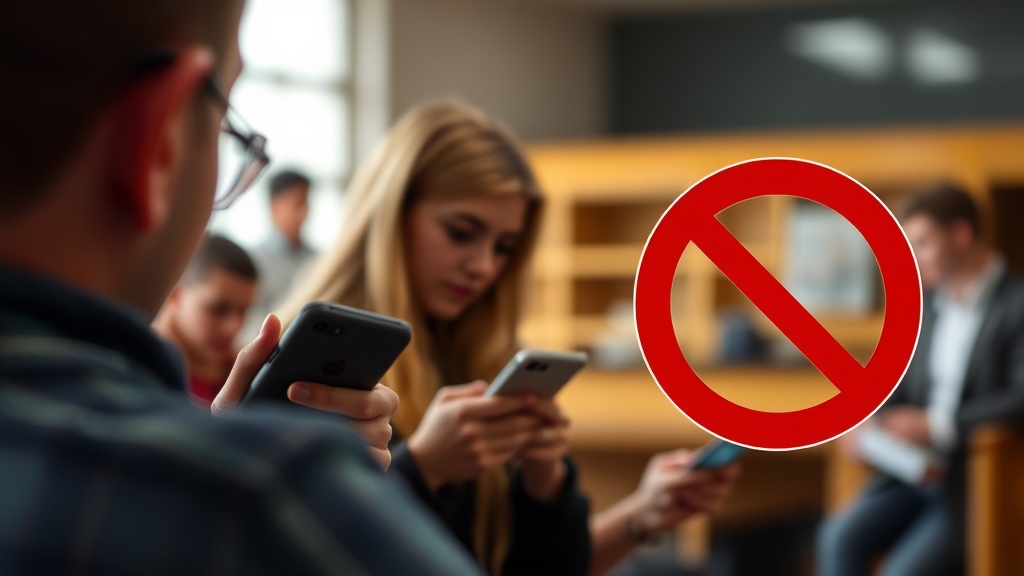
In a landmark decision that could reshape the educational landscape, the state of Utah is poised to revolutionize its K-12 education system by implementing a controversial approach that some critics argue marks a significant regression in modern educational practices. The state government has announced plans to reduce reliance on technology and digital resources in schools, a move that has sparked a heated debate among educators, parents, and policymakers alike.
At the core of Utah's new initiative is the belief that traditional teaching methods, often overshadowed by digital tools, can provide a more effective learning environment for students. State education officials argue that an overemphasis on technology has led to a decline in critical thinking and interpersonal skills among students. Governor Spencer Cox articulated this sentiment during a recent press conference, stating, "We need to refocus our educational priorities on face-to-face interactions and hands-on learning and less on screens."
The initiative is partly inspired by ongoing concerns regarding the mental health impact of excessive screen time on children. Recent studies have shown a correlation between increased screen exposure and rising anxiety levels among students. Utah's education department plans to implement a pilot program that encourages schools to limit technology use in classrooms, prioritizing traditional teaching methods such as lectures, group discussions, and hands-on projects.
Critics of the initiative have expressed deep concerns about the potential consequences of this shift. Many educators worry that reducing technology in the classroom could hinder students' preparedness for a workforce that increasingly relies on digital skills. Dr. Emily Jensen, a professor of education at the University of Utah, stated, "While I appreciate the desire to bring back traditional methods, we must also recognize that proficiency in technology is essential in today’s job market. If we ignore this fact, we risk leaving our students ill-equipped for future challenges."
The proposal has also raised questions about equity in education. Some educators argue that disadvantaged students, who may not have access to technology at home, could benefit from increased digital resources in school rather than a reduction. "For many students, schools are the only places where they have access to computers and the internet. Taking that away could widen the educational gap," cautioned Maria Gonzales, a high school teacher in Salt Lake City.
Utah's education department has acknowledged these concerns and has stated that the initiative will be rolled out gradually, allowing for feedback and adjustments based on its impact. The pilot program is set to begin in select schools this fall, with a comprehensive review scheduled for the end of the academic year to assess its effectiveness and areas for improvement.
Proponents of the initiative argue that balancing technology with traditional methods could lead to a more holistic educational experience. They cite examples from various schools across the country that have successfully integrated a mix of teaching styles, demonstrating that a varied approach can enhance student engagement and learning outcomes. For instance, schools that have incorporated project-based learning alongside technology have reported increased student collaboration and creativity.
Moreover, the state is also investing in professional development for teachers to help them navigate this transition. Workshops and training sessions will be offered to ensure that educators are equipped with the skills necessary to implement this blended approach effectively. This investment aims to foster an environment where teachers feel supported in their efforts to adapt to new teaching methodologies.
As Utah embarks on this bold educational experiment, the implications of its decision will be closely monitored not just within the state, but across the nation. Many states are grappling with similar questions about the role of technology in education, and Utah’s approach may serve as a case study for others looking to find the right balance.
In conclusion, while Utah's initiative to reduce technology in K-12 education aims to revive traditional teaching methods, it brings forth a complex array of challenges and considerations. The outcome of this program could have lasting effects on the state's educational framework, shaping the future of learning for generations to come. As educators, parents, and policymakers watch closely, the real test will be whether this approach successfully enhances student learning without compromising their future readiness in an increasingly digital world.