Utah Measles Outbreak Surges: 199 Cases Confirmed Amidst Growing Concerns
Utah's measles outbreak has surged to 199 cases, prompting urgent vaccination efforts as health officials warn of public health risks.

The Utah Department of Health and Human Services has confirmed a troubling escalation in the ongoing measles outbreak within the state, reporting that the total number of cases has reached 199. This figure represents a substantial rise, with over 20 new cases reported in just the past week. Health officials are sounding alarms over the increase, underscoring the urgency of vaccination and public health measures to control the spread of the virus.
Measles, a highly contagious viral disease, typically manifests with symptoms such as high fever, cough, runny nose, and a distinctive rash that appears several days after the initial symptoms. While the disease can be mild for many, it can lead to severe complications, including pneumonia, encephalitis, and even death, particularly in unvaccinated populations.
In Utah, the outbreak has primarily affected areas with lower vaccination rates, highlighting the importance of herd immunity in protecting communities from preventable diseases. Public health officials have noted that many of the recent cases involve individuals who were either unvaccinated or had received only one dose of the measles-mumps-rubella (MMR) vaccine, which is recommended in two doses for maximum efficacy.
Dr. Angela Dunn, the state epidemiologist, emphasized the critical nature of vaccination during a recent press conference. "Measles is one of the most contagious viruses known to man, and it can spread rapidly through communities, especially among those who are not vaccinated. Our best defense against this outbreak is to ensure that everyone is fully vaccinated," she stated. Dr. Dunn also reiterated that the two-dose MMR vaccine is safe and effective, significantly reducing the risk of contracting measles.
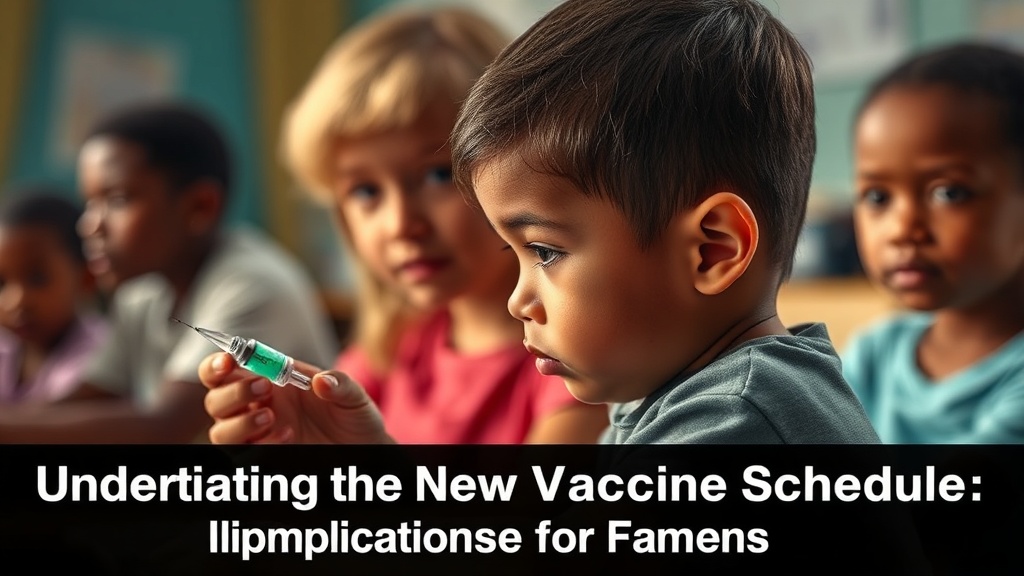
The current outbreak has prompted health officials to ramp up vaccination efforts across the state. Free vaccination clinics have been organized in various locations, and there is a concerted push to reach out to communities with historically low vaccination rates. Local health departments are collaborating with schools and community organizations to educate parents about the importance of immunization and to dispel common myths surrounding vaccines.
In addition to vaccination efforts, state health officials are urging residents to monitor for symptoms and to report any suspected measles cases to healthcare providers immediately. Rapid identification and isolation of cases are crucial to preventing further spread of the virus.
The outbreak has not only raised public health concerns but has also sparked discussions about vaccine hesitancy and misinformation. Studies have shown that misinformation about vaccines can lead to decreased vaccination rates, which in turn increases the risk of outbreaks. The Utah Department of Health is actively working to combat this misinformation through public awareness campaigns that emphasize the safety and effectiveness of vaccines.
As the number of measles cases continues to rise, the implications extend beyond individual health. The outbreak poses a significant burden on healthcare systems, which may become overwhelmed as they respond to increasing patient needs. Hospitals and clinics are preparing for a potential influx of patients and have implemented protocols to manage suspected cases of measles effectively.
The rise in measles cases in Utah is a stark reminder of the importance of vaccination and public health initiatives. While the state has historically maintained high vaccination rates, recent trends indicate a concerning decline in immunization, making it imperative for health officials to reinforce the message about the benefits of vaccination.
As the outbreak unfolds, residents are encouraged to stay informed and engaged with public health recommendations. Local health departments will continue to provide updates on the situation and announce additional vaccination opportunities as they arise. In the face of this outbreak, Utahns are reminded that collective action is the key to safeguarding community health.
In conclusion, the ongoing measles outbreak in Utah highlights the critical importance of vaccination in preventing disease spread. With the number of cases now at 199 and rising, the urgency for public health action cannot be overstated. Vaccination remains the most effective method to protect individuals and communities from measles and other preventable diseases. Health officials remain vigilant, urging residents to take proactive measures to ensure their health and the health of those around them.