Utah Legislative Proposal to Limit Bill Requests Stalls Despite Governor's Support
A proposal to limit legislative requests in Utah faces opposition despite governor's backing, raising concerns about representation and efficiency.

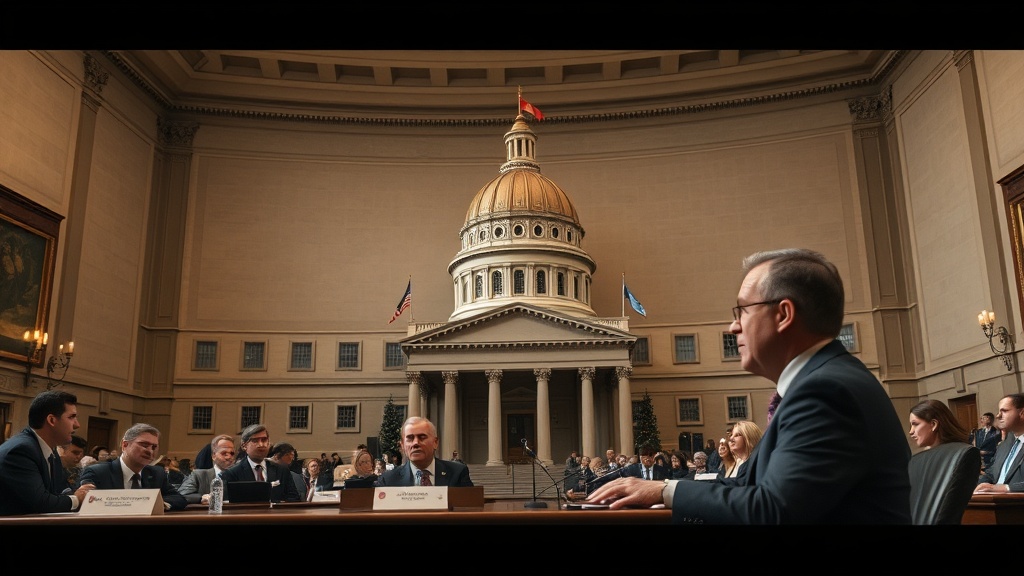
In a significant turn of events at the Utah State Capitol, a legislative proposal aimed at limiting the number of bills that lawmakers can submit each session encountered substantial resistance, despite receiving a strong endorsement from Governor Spencer Cox. On Thursday, the proposal, dubbed the "Bill Limitation Act," was presented to the House of Representatives but quickly faced skepticism from various lawmakers and advocacy groups, raising questions about its viability and potential impact on the legislative process.
The Bill Limitation Act seeks to impose a cap on the number of legislative requests each lawmaker can make during a session, a move proponents argue is necessary to streamline legislative work and enhance efficiency. Supporters of the bill, including Governor Cox, contend that the current system, which allows for an open-ended number of bill requests, leads to legislative clutter and hinders lawmakers from focusing on key issues.
"Our legislative process is becoming overwhelmed with a deluge of bills that distract from the core issues facing Utahns," Governor Cox stated during a press conference prior to the proposal’s introduction. "By limiting the number of bills, we can encourage lawmakers to prioritize quality over quantity and ensure that we are addressing the most pressing concerns of our constituents."
However, the proposal’s reception among legislators has not been as warm as its proponents hoped. During a committee meeting, several lawmakers expressed concerns that imposing such limits could stifle creativity and innovation within the legislative process. They argued that the ability to introduce multiple bills allows for diverse perspectives and solutions to emerge, which is essential in a state as dynamic as Utah.
Representative Angela Romero, a vocal opponent of the bill, stated, "Legislators need the flexibility to respond to the needs of their communities. Limiting bill requests could mean that critical issues go unaddressed simply because a lawmaker has reached their quota. We need to ensure that every voice is heard, and every issue has a chance to be brought to the table."
The debate surrounding the Bill Limitation Act also highlights broader concerns about the legislative process in Utah. With the state’s growing population and evolving challenges, many lawmakers feel an obligation to introduce legislation that addresses a wide array of concerns, from education and healthcare to infrastructure and public safety.
Opponents also raised the concern that the bill could disproportionately impact junior lawmakers or those without established relationships within the legislature, as more senior members may have the benefit of experience and connections that allow them to navigate the legislative landscape more effectively.
In addition, advocacy groups have voiced their apprehension regarding the bill. The Utah League of Women Voters, for example, issued a statement urging lawmakers to reconsider the implications of such a limitation. "Legislators should be empowered to represent their constituents fully, which includes the ability to propose a range of legislation that reflects the diverse needs of our communities," the statement read.
As the bill faced growing resistance, the House committee ultimately decided to table the proposal, effectively putting it on hold for the remainder of the session. This decision has left many supporters disheartened, who viewed the bill as a necessary reform to improve legislative efficiency.
In light of the current political climate and the challenges posed by the COVID-19 pandemic, the failure of the Bill Limitation Act has sparked renewed discussions among lawmakers about the need for comprehensive legislative reform. Some legislators are now calling for a more collaborative approach that would allow for input from various stakeholders, including constituents, advocacy groups, and fellow lawmakers, to foster a legislative environment that balances efficiency with inclusivity.
The future of the Bill Limitation Act remains uncertain, as its proponents consider their next steps. Governor Cox has indicated that he is open to revisiting the proposal, suggesting that further dialogue with lawmakers and stakeholders could lead to a revised version that addresses the concerns raised during the committee meeting.
As Utah continues to navigate its legislative priorities amid rapid growth and change, the discussions surrounding the Bill Limitation Act underscore the ongoing tension between the need for efficiency and the imperative to ensure that every voice is represented in the legislative process. With the session drawing to a close, lawmakers will need to find a way to reconcile these competing interests in order to effectively serve the needs of their constituents moving forward.