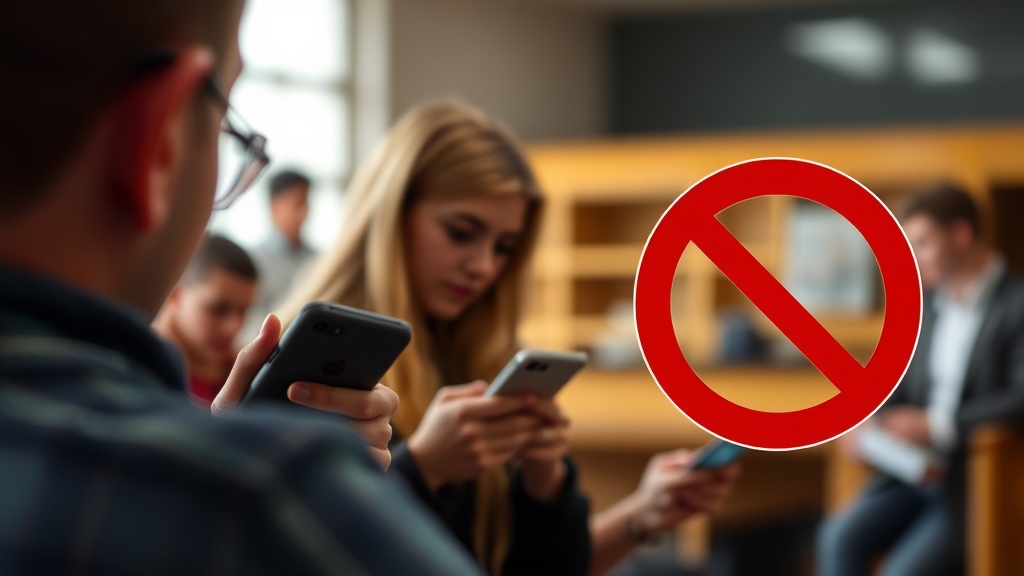
Utah Leaders Propose Statewide Ban on Cellphones in Schools
Utah leaders propose a statewide ban on cellphones during school hours to improve focus and mental health among students.
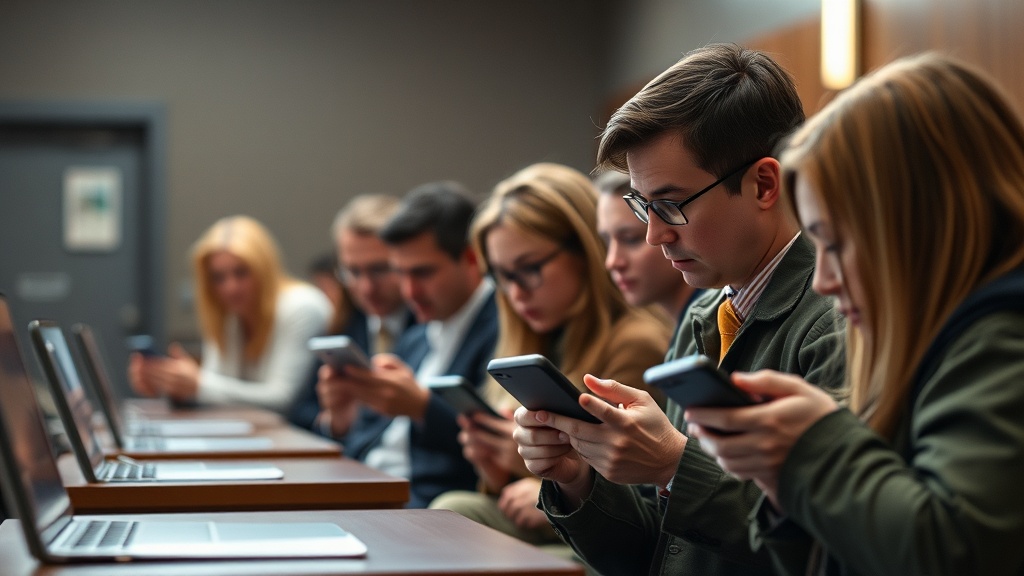
In a significant move aimed at enhancing the educational environment, Utah Governor Spencer Cox, alongside various state leaders, has announced plans to implement a statewide restriction on cellphone usage during the entire school day. This initiative, which is set to be introduced during the upcoming general legislative session, seeks to address growing concerns about distractions in classrooms and the impact of smartphones on student engagement and mental health.
The proposal comes at a time when studies indicate that excessive smartphone usage among students can lead to decreased academic performance and increased anxiety levels. Governor Cox emphasized the need for students to focus on learning without the constant pull of social media and other mobile distractions. "Our students deserve an environment where they can fully engage with their education, free from the distractions that smartphones often bring," he stated in a press conference held at the Utah State Capitol.
The idea of limiting cellphone use in schools is not new. Several states and school districts across the nation have already implemented similar policies, citing positive outcomes in student focus and academic results. For instance, schools in California and New York have reported improved test scores and enhanced classroom participation after enforcing cellphone bans. These examples serve as a benchmark for Utah’s proposed legislation.
State leaders have indicated that they will work closely with educators, parents, and school administrators to develop a comprehensive plan that addresses the specifics of the ban, including potential exemptions for emergency situations and the use of technology for educational purposes. The proposed legislation aims to create a framework that allows for flexibility while prioritizing student safety and educational integrity.
"We understand that technology plays a crucial role in education, but there must be a balance that allows for learning without unnecessary distractions," said State Superintendent of Public Instruction, Sydnee Dickson. She noted that while smartphones can be valuable educational tools, their potential for misuse can detract from the learning experience. Dickson expressed optimism that the new guidelines would empower teachers and students alike to foster a more focused learning environment.
In addition to improving academic performance, state leaders are also concerned about the mental health implications of smartphone usage among adolescents. Research has shown that overexposure to social media can lead to feelings of isolation, anxiety, and depression in young people. By limiting cellphone access during school hours, lawmakers hope to create a more supportive environment that promotes face-to-face interactions and mental well-being.
While many educators and parents support the initiative, there are concerns regarding how such a ban would be enforced. Teachers may face additional responsibilities in monitoring cellphone use, and the logistics of implementing the policy across diverse school settings could present challenges. Some critics argue that a blanket ban may not take into account the varying needs of different student populations, particularly those who rely on their phones for communication with parents or for educational purposes.
In response to these concerns, Governor Cox assured the public that the legislation would be crafted with input from various stakeholders, including parents, educators, and mental health professionals. "We want to ensure that this policy is effective and practical, addressing the needs of all students while promoting a healthy learning environment," he stated.
As the proposal heads to the legislature, it is expected to spark discussions around the role of technology in education. Advocates for the ban argue that a focused learning environment is essential for student success, while opponents may voice concerns about the implications for student autonomy and the practicality of enforcing such a policy.
This initiative aligns with a broader national conversation about the impact of technology on education and youth. As schools grapple with integrating technology into learning while minimizing its potential downsides, Utah's forthcoming legislation may serve as a pivotal case study for other states considering similar measures.
As the legislative session approaches, Utahns will be watching closely to see how lawmakers navigate these critical issues and what final provisions will be included in the proposed cellphone ban. Should the legislation pass, it will mark a significant shift in educational policy in the state, potentially setting a precedent for other regions grappling with similar challenges in the digital age.
In conclusion, Governor Spencer Cox and Utah leaders are taking an important step towards fostering a better educational environment by proposing a statewide restriction on cellphones throughout the school day. This initiative reflects a growing awareness of the need to balance technology use with effective teaching and learning strategies, ultimately aiming to enhance both academic performance and student mental health in Utah schools.