Utah Lawmakers Reject Bill Addressing Chemtrail Conspiracy Theories Again
Utah lawmakers reject a bill addressing chemtrail conspiracy theories for the second time, raising questions about public perception and scientific truth.
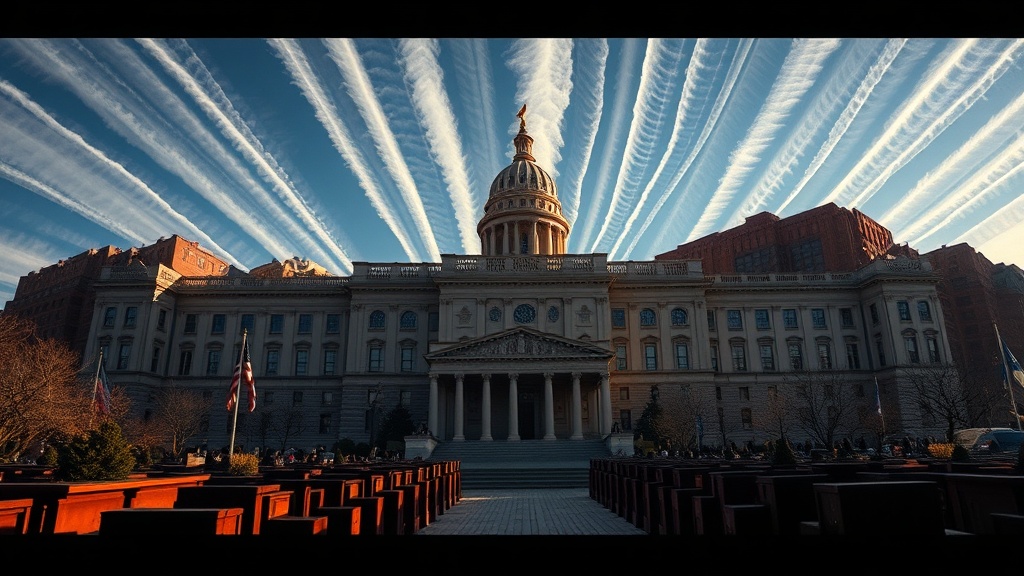
In a move that has sparked both conversations and controversy, Utah lawmakers have once again rejected a bill aimed at addressing concerns over alleged 'chemtrails' in the skies above the state. This marks the second consecutive year that legislation centered around this conspiracy theory has failed to advance through the legislative process, leaving proponents of the bill disappointed and raising questions about the intersection of science, public perception, and legislative action.
The bill, introduced by State Representative Kera Birkeland, sought to require state agencies to investigate and report on the purported effects of chemtrails—long-lasting condensation trails left by aircraft that some conspiracy theorists believe contain harmful chemicals. Proponents of the bill argued that there is a growing public concern surrounding the issue, with many residents expressing fears about the environmental and health implications of what they perceive as government-sponsored weather modification programs.
"There is a significant number of Utah residents who believe that chemtrails are affecting our air quality and overall health," stated Birkeland during a committee hearing earlier this month. "This bill gives them a voice and urges the government to take their concerns seriously."
However, critics of the legislation, including several scientists and environmental advocates, have repeatedly pointed out that the concept of chemtrails lacks scientific backing. They emphasize that the trails seen in the sky are scientifically recognized as contrails—water vapor that condenses and freezes around small particles in aircraft exhaust at high altitudes. According to experts, contrails can linger and spread, depending on atmospheric conditions, but there is no credible evidence to support the claims that they contain harmful substances.
Dr. Michael Mann, a climate scientist and professor at Penn State University, commented on the bill's failure, stating, "It’s a relief to see lawmakers focusing on evidence-based science rather than conspiracy theories. The persistence of contrails has been well-documented, and conflating them with chemtrails is scientifically unfounded."
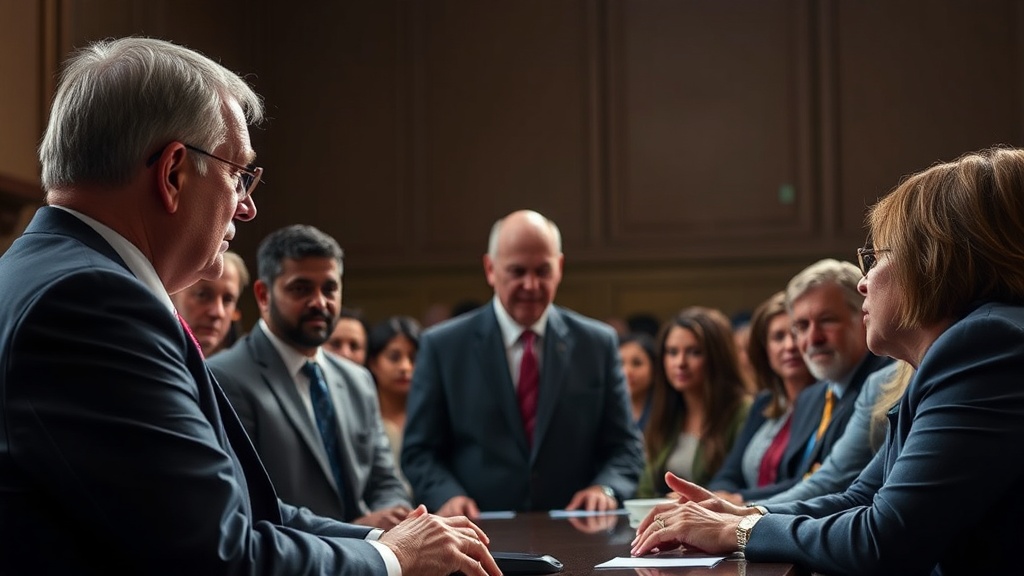
The bill's rejection in the Utah House of Representatives came after a heated debate during which lawmakers expressed their concerns about the potential consequences of legitimizing unfounded theories. Many representatives voiced their support for public education about climate science and the importance of relying on established scientific research when addressing environmental issues.
"We have a responsibility to ensure that our policies are based on facts and not on fears that have no scientific basis. By advancing this bill, we risk eroding public trust in legitimate environmental science," said Representative Angela Romero, who opposed the measure.
Despite the setback, supporters of the chemtrail bill remain undeterred. Many are planning to continue their advocacy efforts, insisting that the issue deserves more attention. Proponents argue that dismissing their concerns could lead to a broader disconnect between lawmakers and constituents who feel their voices are not being heard.
In a state where outdoor recreation and air quality are significant concerns, the chemtrail debate has garnered a following among those who believe their health and environment are at risk. The ongoing discourse reflects a larger national trend, where conspiracy theories have gained traction, often fueled by social media and a general mistrust in government institutions. This phenomenon poses challenges not only for legislators but also for scientists and public health officials trying to communicate critical information.
In a recent poll conducted by a local news outlet, nearly 30% of respondents expressed belief in the chemtrail conspiracy theory, highlighting the substantial number of residents who remain skeptical of government transparency and environmental accountability. This sentiment has prompted some lawmakers to consider how best to address such beliefs while still advocating for sound science.
As the legislative session continues, it remains uncertain whether future efforts will be made to revisit the issue of chemtrails. Some lawmakers are contemplating introducing education initiatives aimed at improving public understanding of atmospheric science and addressing misconceptions about contrails and their effects.
The discussion surrounding chemtrails in Utah serves as a microcosm of a larger societal challenge—how to engage with constituents who may feel alienated or mistrustful while simultaneously promoting evidence-based policies. As science communicators and legislators work to bridge this gap, the question remains: how can they effectively address public concerns while upholding the integrity of scientific discourse?
As the state moves forward, the implications of this debate could extend beyond Utah's borders, influencing how lawmakers across the country tackle similar issues in an era marked by growing polarization and skepticism of established science. The rejection of the chemtrail bill may have closed one chapter in Utah's legislative history, but the conversation surrounding scientific understanding and public perception is far from over.