Utah Lawmakers Propose Bills to Eliminate Marriage Penalties and Strengthen Families
Utah lawmakers introduce bills to eliminate marriage penalties, aiming to support families and protect minors from predatory practices.
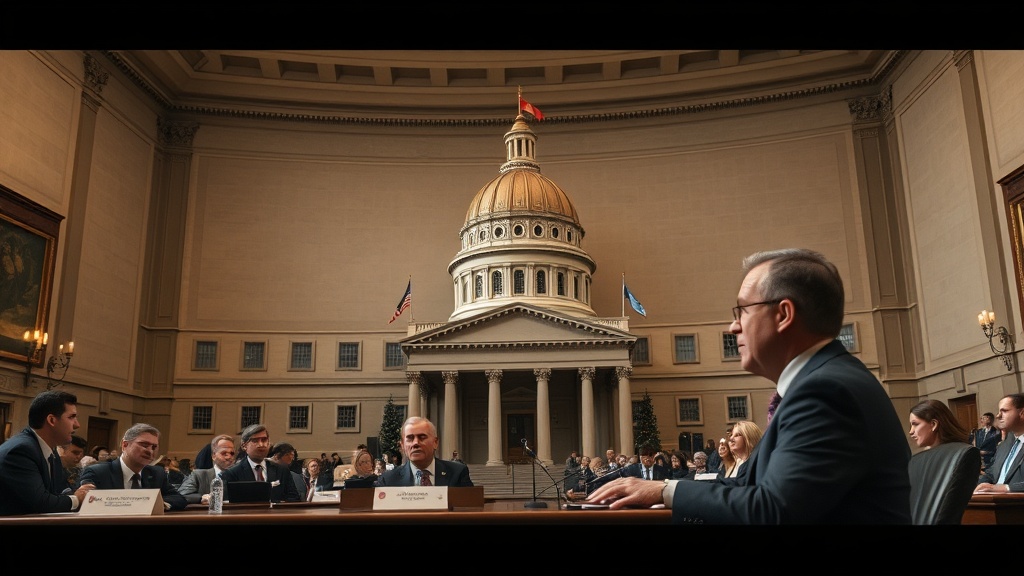
In a significant move aimed at fostering stronger family units, Utah lawmakers have introduced a series of bills designed to eliminate financial disincentives that discourage couples from marrying. Led by State Representative Melissa Ballard, the legislative efforts focus on addressing marriage penalties that particularly affect lower-income families reliant on government assistance programs. Ballard’s initiatives underscore a growing recognition of the need to create a supportive environment for couples considering marriage, emphasizing that financial barriers should not dictate personal choices about family formation.
House Bill 210, spearheaded by Ballard, seeks to dismantle the marriage penalties that currently exist within the state’s welfare system. These penalties often create a precarious situation for low-income couples who fear that marrying might lead to a loss of essential benefits. “The incentive is there for people to eliminate that cliff of I'm getting all these welfare programs, but if I get married, I'm gonna lose them all,” Ballard explained. She highlighted that the current system creates an unequal playing field, dissuading couples from uniting due to the financial implications. By removing these barriers, the legislation aims to encourage families to come together without the fear of financial repercussions, thereby promoting stability and support within households.
In conjunction with House Bill 210, Ballard has introduced House Joint Resolution 18, which calls upon Congress to eliminate the federal marriage tax penalty. The representative argues that the financial burdens imposed at the federal level trickle down to states, exacerbating the disincentives for marriage among lower-income populations. “This is not just a state issue; it is a national issue. We need to advocate for policies that recognize the importance of marriage and family stability, especially for those who are struggling,” she stated. The resolution aims to create a broader conversation on how federal policies can impact family dynamics and the economic realities of marriage.
Another pressing issue addressed by Ballard is the protection of minors from predatory practices related to marriage. House Bill 103 proposes to elevate violations of Utah’s underage marriage laws to a third-degree felony. This legislative push comes in response to concerns about social media and other modern avenues through which predators may exploit young individuals. Ballard remarked, “With social media and predators enticing minors, this is a way for Utah law to really have teeth and be strengthened, but most importantly, to protect the minors in our state from those who are trying to go around marriage laws in Utah.” The bill aims to reinforce the state’s commitment to safeguarding minors from exploitation and ensuring that marriage laws serve their intended protective purpose.
In addition to addressing marriage penalties and underage marriage laws, House Bill 324 seeks to bolster the Utah Marriage Commission's funding through fees collected from online marriage applications. This funding is earmarked for resources designed to enhance relationship education, marriage counseling, and overall family support throughout the state. Importantly, the bill includes a provision that waives the application fee for couples who complete premarital counseling through the Utah Marriage Commission’s program at strongermarriage.org. This initiative not only provides couples with valuable resources to strengthen their relationships but also incentivizes them to seek support before entering marriage.
The legislative package reflects a broader trend in Utah, where lawmakers are increasingly recognizing the importance of family structures in fostering community stability and economic well-being. The bills represent a proactive approach to ensure that financial considerations do not hinder the formation of families, particularly among those in vulnerable economic situations. As discussions continue around these proposals, they highlight the vital intersection of policy, family dynamics, and economic reality.
As these bills progress through the legislative process, advocates for family stability and economic justice will be closely monitoring their developments. The outcomes could have far-reaching implications, not only for individual families but also for the social fabric of Utah as a whole. With the potential to reshape the landscape of marriage and family support in the state, these legislative efforts signal a commitment to nurturing strong families and removing barriers that prevent couples from uniting. Lawmakers are hopeful that these changes will foster an environment where marriage is viewed as a viable and beneficial option for all couples, regardless of their financial circumstances.