Utah Lawmakers Condemn Trump's Racist Post of Obama and Michelle Obama
Utah Republicans, including Rep. Burgess Owens, condemn Trump's racist post of the Obamas, sparking national discussions on race and rhetoric.
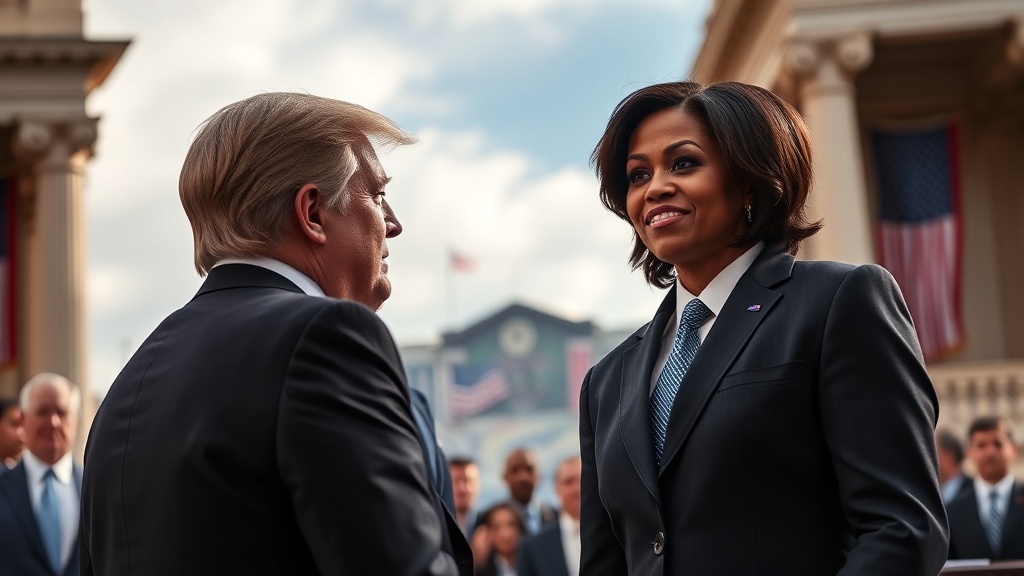
In a rare moment of bipartisan criticism, several Utah Republicans expressed their disapproval on Friday following a controversial social media post by former President Donald Trump. The post, which depicted former President Barack Obama and former First Lady Michelle Obama as monkeys, sparked outrage not only among Democrats but also among some within Trump's own party. This incident has reignited discussions about race, political discourse, and the responsibilities of public figures in the digital age.
Rep. Burgess Owens, a Republican representing Utah's 4th Congressional District, was one of the first Utah lawmakers to publicly denounce Trump's actions. "This post is wildly offensive and inappropriate. It perpetuates harmful stereotypes and has no place in our political dialogue," Owens stated in a press release. His remarks resonated with many constituents who have long been concerned about the rising tide of racism and xenophobia in American politics.
Owens, an African American congressman, emphasized the need for leaders to set a positive example. "As a nation, we should be striving for unity and understanding, especially in these divisive times. We must reject any rhetoric that seeks to dehumanize others, regardless of their political affiliations," he added. His comments came as a refreshing deviation from the often-unwavering support that many Republicans have shown toward Trump, particularly in the wake of his controversial statements and actions.
The backlash against Trump’s post was swift, with various political commentators and social media users condemning the imagery as a blatant act of racism. The depiction of the Obamas in such a derogatory manner is particularly incendiary given the historical context of using primate imagery to demean Black individuals. Critics pointed out that such stereotypes have been weaponized throughout history to foster systemic racism and inequalities.
In addition to Owens, other Utah Republicans also voiced their concerns. Rep. Chris Stewart, representing Utah's 2nd Congressional District, took to social media to express his disappointment. "I disagree with many policies of the Obamas, but this kind of disrespect is unacceptable. We can critique leaders without resorting to racism," Stewart tweeted. His comments signal a growing recognition among some GOP members that the party must distance itself from racially charged rhetoric if it hopes to appeal to a broader audience.
The incident has also sparked conversations about the broader implications of Trump's social media presence and its influence on American politics. Political analysts argue that Trump’s platform has empowered individuals and groups who harbor racist views, creating a more hostile environment for minority communities. By sharing such imagery, critics argue, Trump not only normalizes racism but also emboldens his supporters to express similar sentiments.
The fallout from Trump’s post is not limited to Utah. Nationally, various civil rights organizations have condemned the post, calling for accountability from public figures. The NAACP issued a statement asserting that Trump's behavior exemplifies a troubling trend of racist commentary within political discourse. "The American public deserves leaders who uplift and inspire, not those who seek to divide and demean," the statement read.
As the political landscape continues to evolve, the reactions from Utah Republicans may signal a shift in how the party approaches issues of race and identity. In a state where demographic changes are increasingly influencing political dynamics, the willingness of some GOP members to challenge Trump's statements could be indicative of a broader strategy to reclaim a more inclusive narrative.
However, not all Republicans in Utah have taken a stand against Trump’s post. Some party loyalists have defended the former president, arguing that he is being unfairly targeted by the media and political opponents. This divide within the party highlights the ongoing struggle for the GOP to reconcile its traditional values with the more extreme elements that have gained prominence since Trump’s presidency.
As Utah grapples with the implications of Trump's latest social media activity, it remains to be seen how this incident will impact the state's political climate moving forward. Will this mark a turning point for how Utah Republicans address issues of race, or will the party continue to remain divided on these crucial matters? Only time will tell, but the reactions to Trump's post serve as a critical reminder of the role that language and imagery play in shaping societal attitudes and fostering healthy political discourse.
In conclusion, the controversy surrounding Trump’s racist post has opened a dialogue not only in Utah but across the nation regarding the responsibilities of public figures and the importance of combating racism in all its forms. With lawmakers like Rep. Burgess Owens leading the charge for change, there is hope for a more respectful and constructive political environment in the future.